
Embarking on a hiking adventure with a companion can be a transformative experience, offering both physical challenges and opportunities for personal growth. Effective communication is essential during these journeys, especially when facing varying energy levels and unexpected difficulties. This article explores the insights psychology offers in enhancing communication skills for hikers, drawing on personal experiences and expert advice to provide a comprehensive guide to navigating trail challenges.
The Impact of Mismatched Moods:
Hiking often involves encountering diverse terrains and energy levels, and mismatched moods can complicate communication, particularly during challenging sections of a journey. Personal experiences, such as grappling with intense sun exposure while a partner navigates effortlessly, highlight the potential for breakdowns in communication. These situations underscore the importance of understanding psychological dynamics to maintain a positive hiking experience.
Psychological Insights:
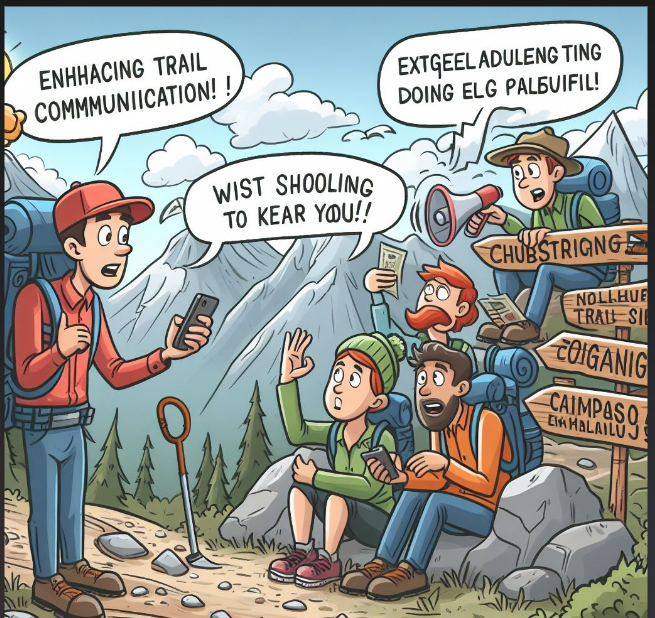
Clinical psychologists with expertise in outdoor sports emphasize the significance of a nuanced communication strategy. Contextualizing challenges may positively impact some individuals, but it can lead to feelings of overwhelm and inadequacy in others. A three-part communication approach is recommended for the stronger partner: acknowledging the struggling companion’s feelings, offering reassurance and support, and collaboratively finding solutions to reach the shared goal. This approach serves as a blueprint for effective communication amid diverse challenges on the trail.
Addressing Frustration and Priorities:
Recognizing the difficulties faced by both partners, especially when unspoken, is crucial. Frustration for the more capable partner may lead to a reassessment of priorities, prompting a consideration of whether the objective or another factor is more important. Understanding each other’s perspectives is fundamental to maintaining a supportive and cooperative hiking dynamic.
Managing Shame and Vulnerability:
Shame and vulnerability are prevalent emotions among backcountry enthusiasts facing unexpected struggles. Breaking the journey into manageable chunks allows the struggling partner to achieve smaller goals, fostering a sense of accomplishment and maintaining collaboration. Openly discussing potential challenges and planning responses ahead of time can mitigate hurt feelings caused by fatigue, hunger, or discomfort.

Creating Space for Emotional Challenges:
Rushing through emotional challenges can worsen tensions, and creating space for the struggling partner’s fears and emotions is essential. Proactive communication planning and acknowledging potential struggles can prevent conflicts, ensuring a healthier and more supportive hiking experience for all involved.
Post-Trip Discussions and Future Planning:
Reflecting on the hiking experience through post-trip discussions, stripped of physical stressors, facilitates productive conversations about communication. Looking forward, proactive communication planning and acknowledging potential struggles will be essential for both partners, fostering a deeper understanding and strengthening the hiking partnership.
Conclusion:
Navigating communication barriers on the trail is a skill that can enhance the overall hiking experience. By establishing a framework for addressing fatigue, breaks, and challenges beforehand, hikers can create a supportive and collaborative environment, turning potential conflicts into opportunities for personal and interpersonal growth. Mastering the art of attentive listening and adopting effective communication strategies can transform a potentially frustrating and demoralizing hike into an enjoyable and fulfilling adventure.