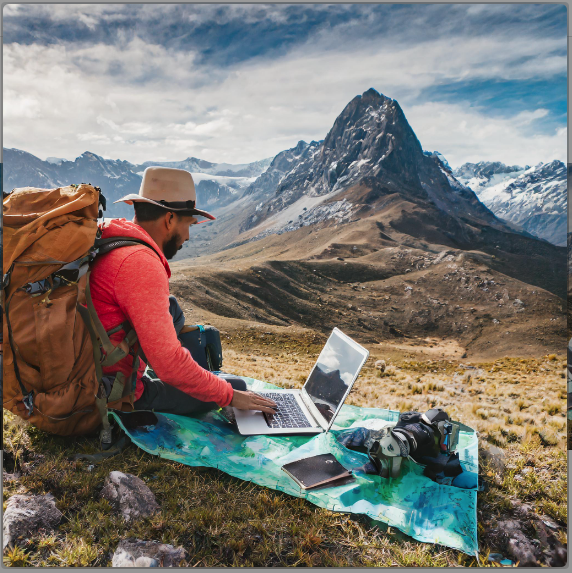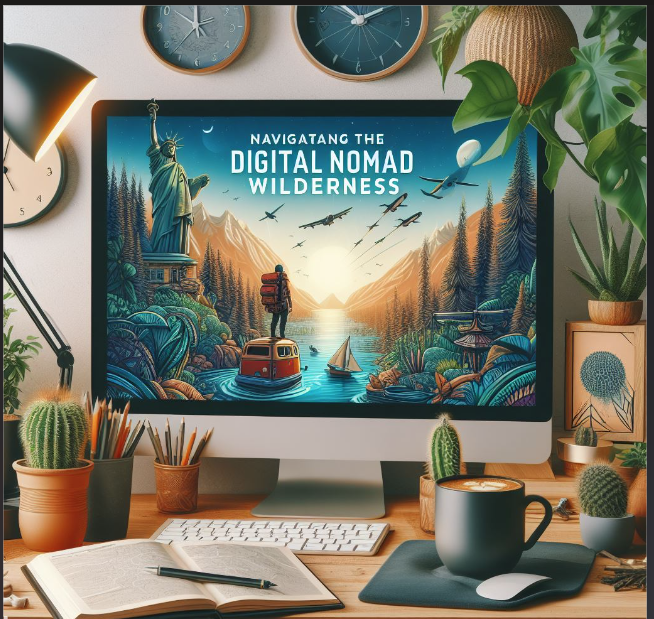
The digital nomad lifestyle has become increasingly popular, with individuals seeking the perfect balance between work and adventure. Among them are the “gram weenies,” gear minimalists, who strive to find a seamless travel setup for international flights that allows them to indulge in wilderness backpacking on weekends while managing remote work during the week.
Challenges of Traditional Backpacking:
One common challenge faced by long-term travelers is the burden of lugging around camping gear. Constantly checking in poles, stakes, and knives can be both costly and a hassle, leading many to seek solutions to streamline their travel experience. The dichotomy of carrying a half-filled bag of gear that’s useless in cities and vice versa adds to the complexity.

Tips for Streamlining Travel Gear:
Addressing these challenges may involve acceptance and finding the least annoying option. Limiting flights, traveling as light as possible, and carefully analyzing city vs. camping time are essential. Utilizing hotels and hostels that accommodate gear storage during hikes can alleviate some of the packing hassles.
Practical Gear Tips:
For those combining remote work with travel, choosing lightweight and efficient tech gear is crucial. The use of a sleek Thinkpad and cloud-based development tools on platforms like Azure VM enables effective remote work. However, maintaining fragile items during extended trips requires extra care.
Dealing with Fragile Items:
During a 9-month trip, maintaining the same gear posed challenges, especially regarding fragile items. Trekking poles had to be checked, adding an extra layer of hassle to travel. Daily care for equipment, such as sleeping bags, became essential to avoid compression damage. Mailing non-essential items domestically or considering storage solutions can be practical solutions.
Effective Remote Work Setup:
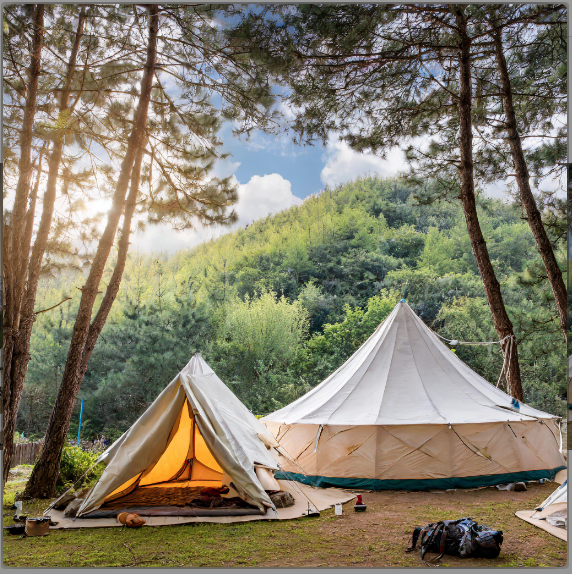
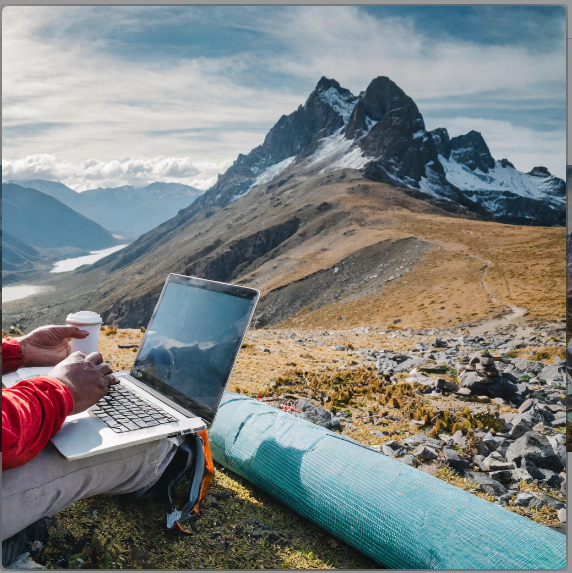
For digital nomads who prioritize remote work, a well-equipped camper shell with off-grid power, connectivity, and essentials becomes a sustainable travel solution. Weekend wilderness trips may require adapting to a no-cook approach, alcohol stoves, or compact fuel tabs that can pass through security.
International Travel Considerations:
Traveling internationally while working remotely requires a strategic approach. Combining a one-bag setup with work gear and a lightweight hiking setup can be effective. Storage solutions, luggage check services in cities, and accommodating hosts in hotels or Airbnb are valuable resources for smooth transitions between the backcountry and urban environments.
Additional Tips for Sustainable Travel:
Having traveled for several years, prioritizing comfort over compacting life into one bag is a common sentiment. Slow traveling is preferable, and investing in quality travel adapters, tech accessories, and versatile clothing makes a significant difference. Utilizing services like TrustedHousesitters for free accommodation, VPN subscriptions, transportation apps like Rome2rio, and accommodation platforms such as Booking.com and Trivago are also essential tools.
Financial Considerations and Security:
For financial flexibility, consider haggling with Airbnb hosts, exploring Google Maps for hidden accommodations, and forming a company in tax-friendly states like Wyoming. Having some Bitcoin on hand can also be useful for potential issues with banks while away, as it can be exchanged for local fiat through local Bitcoin communities.
Conclusion:
Embracing the digital nomad lifestyle while balancing work and wilderness adventures requires thoughtful planning and adaptation. By implementing practical tips for streamlined travel and effective remote work setups, individuals can create a harmonious blend of professional responsibilities and the freedom of exploration.