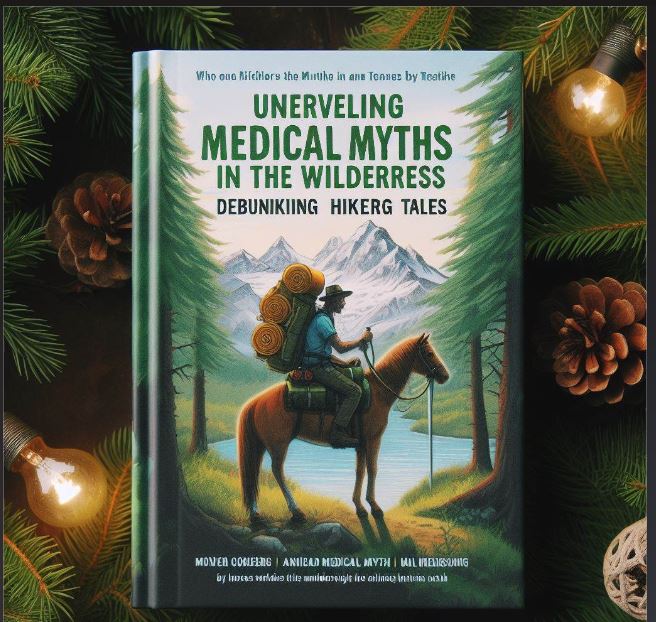
Hiking and camping adventures often come with a side of storytelling, but not all tales shared around the campfire are harmless folklore. Some narratives, rooted in ignorance, have morphed into medical myths and misconceptions that could pose risks to outdoor enthusiasts. It’s time to shed light on these misguided stories and set the record straight.
Bee Stings: Scraping Away the Venom?:
One prevalent myth suggests that scraping a bee sting with a stiff object is the best way to remove the stinger and venom sac. The truth is that time is of the essence when dealing with bee stings. While scraping can work, using your fingers to remove the stinger is just as effective and avoids exacerbating the injury. Delayed removal can lead to continued venom injection and potential infection.
Lip Toughening in the Sun:
A common belief asserts that gradually exposing your lips to longer sun periods toughens them and reduces the likelihood of burning. In reality, lips lack the protective melanin found in skin and can burn easily. The advice to wear protective lip coating, such as lip balm, is crucial to prevent burns and reduce the risk of lip cancer.
Vitamin B1 and Mosquitoes: Itching for the Truth:
Some vitamin manufacturers claim that large doses of vitamin B1 protect against mosquitoes. However, studies have shown that excessive B1 intake does not repel mosquitoes. The recommended daily amount for good nutrition is much lower than the exaggerated doses suggested for mosquito protection.
Salt Tablets for Heat-Related Problems: A Grain of Truth:
Contrary to popular belief, taking salt tablets during physical exertion to prevent heat-related problems is not recommended. Salt tablets are gastric irritants and can be harmful, especially when hot and thirsty. Staying hydrated with water is key in preventing and treating heat-related issues.
DEET-less Bug Repellents: Not a Lost Cause:
While DEET is a highly effective bug repellent, DEET-less alternatives are not entirely ineffective. Natural citronella-based repellents with a 10 percent concentration can provide protection for up to two hours. Concerns about DEET’s potential side effects have led some individuals to opt for natural alternatives.
Ringworms and Bare Feet:
Contrary to popular belief, walking barefoot in the summer does not increase the risk of ringworm burrowing into the skin. Over-the-counter antifungal medications are effective in treating most fungal infections. Other skin conditions may be contracted while going shoeless, but ringworm is not one of them.
Eating Poison Ivy: A Toxic Myth:
Consuming small pieces of poison ivy leaves does not grant immunity to the plant and can lead to severe reactions. The current guideline is clear: avoid contact with poison ivy altogether. There are several other poison ivy-related myths that need debunking.

Aloe Vera’s Healing Powers:
Aloe vera does have medicinal qualities, and modern research supports its effectiveness in enhancing healing when applied topically. Products with concentrations greater than 90 percent can help soothe and heal burned skin.
Fitness and Heat Stroke: Beyond Physical Condition:
Being in top physical condition does not necessarily reduce the chances of heat stroke. Individuals in peak fitness may push themselves beyond their body’s heat-shedding capacity, leading to exertional heat stroke. Regardless of fitness level, preventing heat-related problems involves staying well-hydrated and maintaining a comfortable pace with regular rest breaks.
Water Wounds Safely: Not All Water Is Clean:
Cleaning minor cuts and scratches in natural water sources is not always safe. Seemingly clean water sources can be polluted, leading to bacterial infections. It’s advisable to clean wounds with treated or filtered water to avoid complications.
Tick Myths: Timing and Removal:
Not all information about ticks is accurate. The time a tick must be attached to transmit diseases varies, and checking yourself immediately after exposure can reduce the risk of illness. Proper tick removal techniques are crucial, and Lyme vaccines are currently awaiting FDA review to provide additional protection.
Conclusion:
Hikers and outdoor enthusiasts should be vigilant when it comes to separating medical fact from fiction. Dispelling these myths ensures a safer and more enjoyable wilderness experience, where accurate knowledge and preparedness take precedence over misguided beliefs. As we lace up our hiking boots and venture into the great outdoors, let’s arm ourselves with the truth to navigate the wilderness confidently and responsibly.