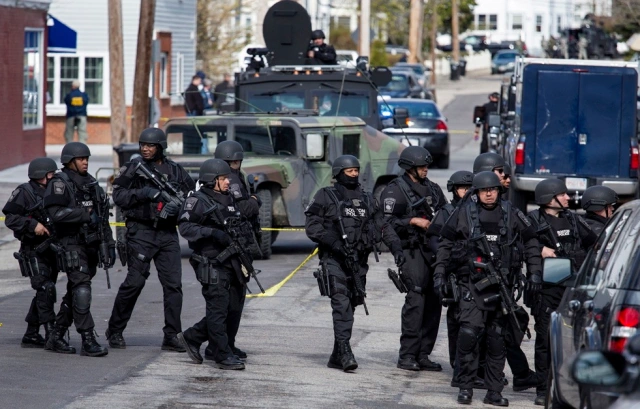
1. Recognizing a State of Emergency
During disasters, riots, or similar emergencies, a state of emergency is declared when public safety authorities cannot maintain order or provide adequate protection. This includes situations involving hurricanes, tropical storms, and actions mandated by federal, state, or county agencies.
2. Mayor’s Authority to Issue Proclamations
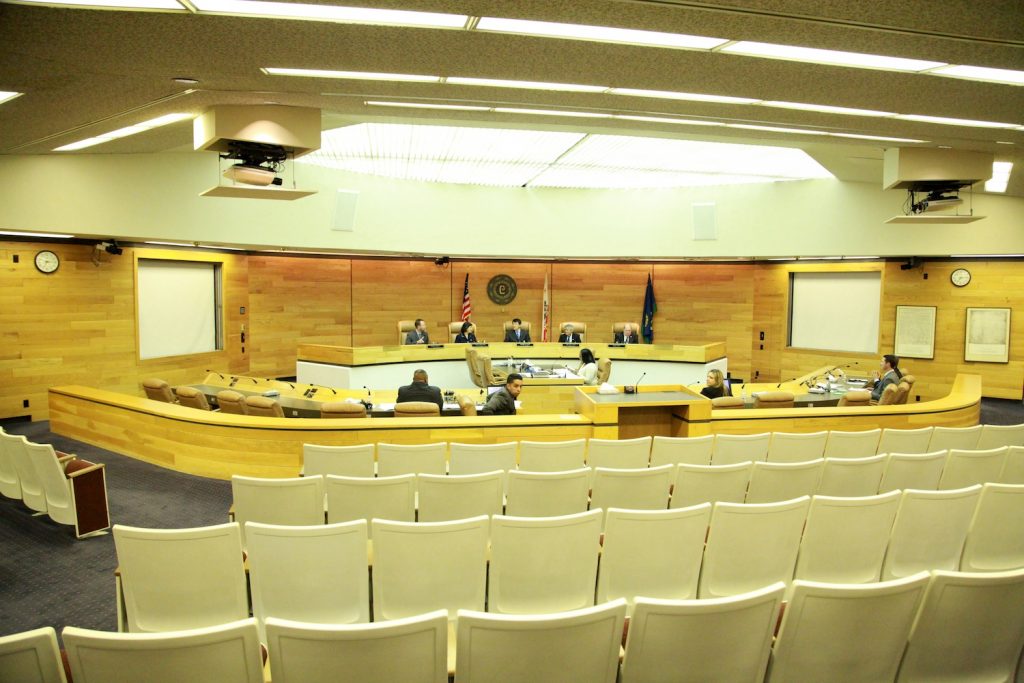
In the face of an existing or imminent state of emergency, the mayor is empowered to issue a proclamation. This proclamation declares the emergency and imposes necessary restrictions to safeguard lives and property within the city.
- Tailored Restrictions
The mayor has the authority to tailor restrictions to specific areas within the city, designate specific hours, and exempt essential personnel such as law enforcement officers, firefighters, medical professionals, military personnel, and others crucial to maintaining public order. - Prohibitions and Restrictions
The mayor, through a written proclamation, can impose various prohibitions and restrictions to maintain public order and services. These may include:
Evacuation: Directing and compelling the evacuation of specific populations, controlling movement within disaster areas, and managing routes and transportation modes.
Curfew: Imposing curfews in designated areas during specified periods to limit public presence, with exemptions for essential classes.
Alcohol Restrictions: Prohibiting possession, consumption, and transfer of alcoholic beverages, even by employees of alcoholic beverage control stores.
Weapons and Substances: Restricting possession, transportation, sale, or purchase of dangerous weapons and substances, with exemptions for certain classes.
Access Restrictions: Prohibiting access to designated areas through clear notices or barricades.
Public Activities: Regulating movement in public places, operation of businesses, and other activities essential for maintaining order. - Duration and Termination
The mayor has the authority to terminate the emergency declaration or remove restrictions when the emergency no longer requires them, or when directed by the city council. - City Manager’s Role
The city manager is responsible for executing emergency procedures, including activating plans, performing necessary public work, entering contracts, employing workers, and ensuring compliance with proclamation terms.

7. City Council Authority
The city council retains the authority to declare or terminate a state of local emergency, taking actions authorized by law during regular or special sessions.
8. Violation Penalties
Violating prohibitions or restrictions outlined in a proclamation may result in penalties, with convictions handled in accordance with established city laws.
9. Disaster-Generated Debris Removal
A separate division addresses disaster-generated debris removal from private roads and/or private property, outlining definitions, responsibilities, and procedures.
10. No Private Third-Party Beneficiary
The division emphasizes that it serves the general public’s interests, and private property owners are not intended to be third-party beneficiaries.
Understanding these provisions is vital for both officials and residents to navigate effectively through emergencies, ensuring the safety and well-being of the community.