“Adopt the pace of nature: her secret is patience.” – Ralph Waldo Emerson
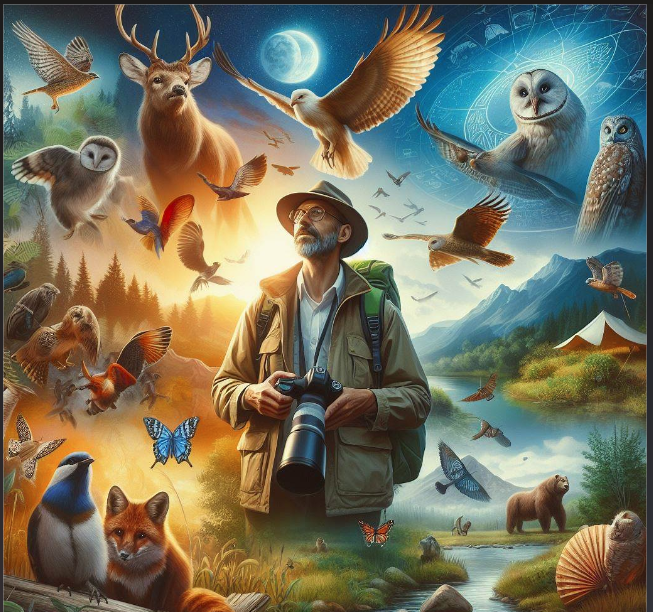
Wildlife watching is a rewarding and enriching experience that requires a blend of patience, adaptability, knowledge, and respect for nature. Successful wildlife watchers understand the delicate balance between observation and interference. Here are five essential tips to enhance your interactions with wildlife:
1. Observation
Observing wildlife without disturbing their natural behavior is key. If an animal alters its behavior due to your presence, you are too close. Familiarize yourself with the seasonal, locational, and species-specific behavioral patterns. Understanding these nuances allows you to witness animals in their natural state.
2. Patience
The optimal times for wildlife viewing are early morning and late afternoon/early evening. Increase your chances by finding a spot, sitting quietly, and waiting. Excessive movement makes you conspicuous and may scare off animals. Patience transforms you into part of the scenery, minimizing your impact and presenting less threat to wildlife.
3. Wind Direction
Wildlife often relies on their sense of smell. Approach from an upwind direction to minimize your scent reaching them before you’re seen or heard. Being conscious of wind direction enhances your chances of getting close to animals without alerting them to your presence.
4. Visual Impact
Reduce your visual impact by wearing neutral-colored clothing that blends with the surroundings. This principle extends to your shelter and backpack. The goal is to harmonize with nature rather than stand out. An exception is made when hiking in areas where hunters are present; wearing conspicuously colored clothing like bright orange is advisable for safety.
5. Food
Avoid feeding animals or leaving food scraps behind. Habituation to human food can lead to negative consequences such as infested shelters, wildlife intrusion in campsites, and disruption of animals’ natural dietary habits. Safeguard your food using methods like odour-proof bags, canisters, ursacks, ziplock bags, or hanging food, depending on the conditions.
Whether you’re camping in established or pristine sites, responsible wildlife watching involves respecting the natural behavior of animals and minimizing your impact on their habitats. By adopting these tips, you can create memorable wildlife encounters while maintaining the integrity of the environment.