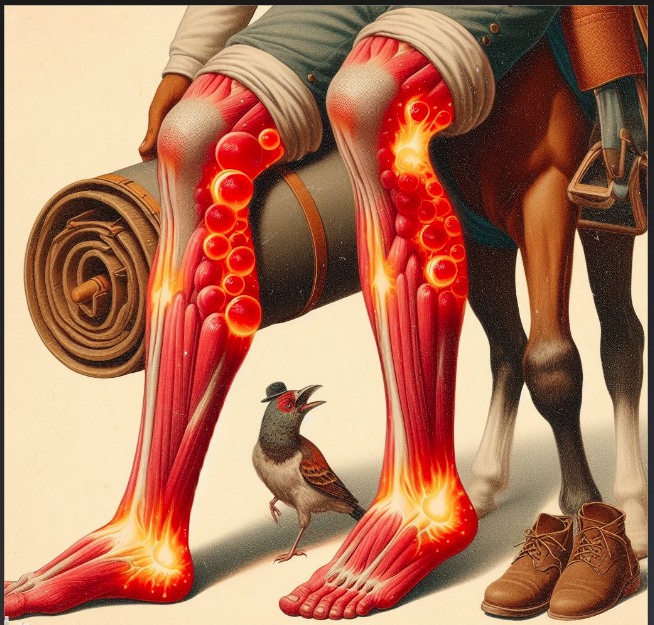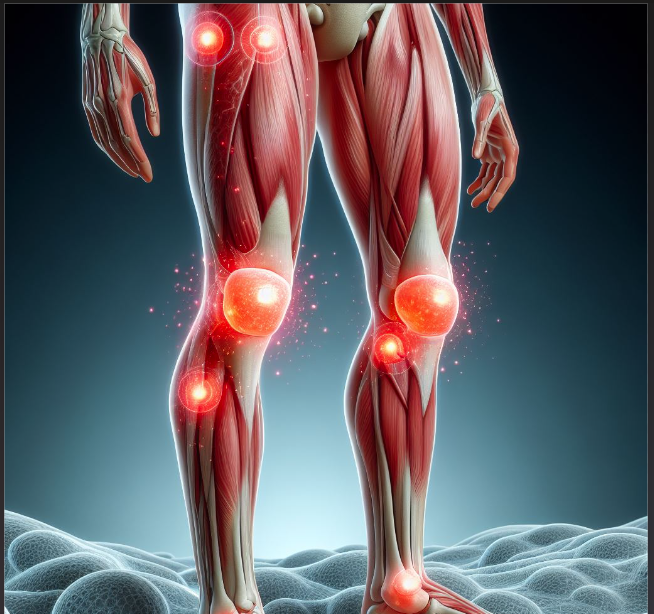
Chafing, often humorously referred to as “Monkey Butt,” is a common issue for hikers caused by heat, friction, moisture, and bacteria. This guide aims to help hikers identify, prevent, and treat chafing, ensuring a more comfortable and enjoyable hiking experience.
Identifying Chafing: Chafing presents as a patch of red, raised, sensitive skin that stings to the touch. It frequently occurs between the thighs but can affect other areas like the crotch, butt, underarms, etc. Larger hikers are more prone, especially in humid environments. Hikers with chafing may adopt a distinctive “duck walk.”
Preventing Chafing:
- Identify Problem Areas: Walk around before a hike to identify potential chafing areas.
- Groom and Clean: Keep problem areas well-groomed and clean. Shaving around problem areas can make applying remedies less painful.
- Use Proper Clothing: Ill-fitting shorts and undershorts cause friction. Opt for moisture-wicking, well-ventilated materials. Compression shorts and kilts are popular choices.
- Multiple Pairs of Shorts/Underwear: Change into dry clothing to avoid prolonged moisture exposure.
- Clean Problem Areas Before a Hike: Wash problem areas with an antimicrobial soap like Dr. Bronner’s Peppermint Soap.
Treating Chafing:
- Wash the Area: Use water and soap to remove irritants, sweat, dirt, and dead skin.
- Apply Antimicrobial Agent: Use iodine, isopropyl alcohol, or hydrogen peroxide to reduce bacteria and odor.
- Dry Thoroughly: Use a water-retaining cloth like ShamWow to dry the area.
- Apply Lubrication: Use petroleum jelly or BodyGlide to reduce friction while hiking.
Additional Considerations:
- Iodine vs. Alcohol vs. Hydrogen Peroxide (H2O2):
- Iodine offers long-term antimicrobial protection but may cause more burning.
- Alcohol burns less but quickly reacts away.
- Hydrogen Peroxide doesn’t burn and decomposes into water and oxygen.
- First-Aid Materials:
- Do not demand supplies from other hikers if unprepared. Learn from the experience.
- Know how to apply antimicrobials properly. Do not use on deep wounds.
Other Recommendations from Hikers:
- GoldBond, Tinactin, and Diaper Cream: Various products may work differently for individuals. Consider personal preferences.
- Chafing Prevention Products: Nipguards, anti-chafing sticks, and slippery powders like Blistershield are popular among ultrarunners.
- Suspender Use and Diaper Cream: Suspenders instead of belts and diaper cream can be effective in preventing chafing.
Conclusion: Chafing is a common ailment for hikers, but with proactive measures and proper treatment, it can be managed effectively. Experiment with different preventive measures and treatments to find what works best for you. Remember, prevention is key, so take the time to care for your skin before, during, and after your hikes.