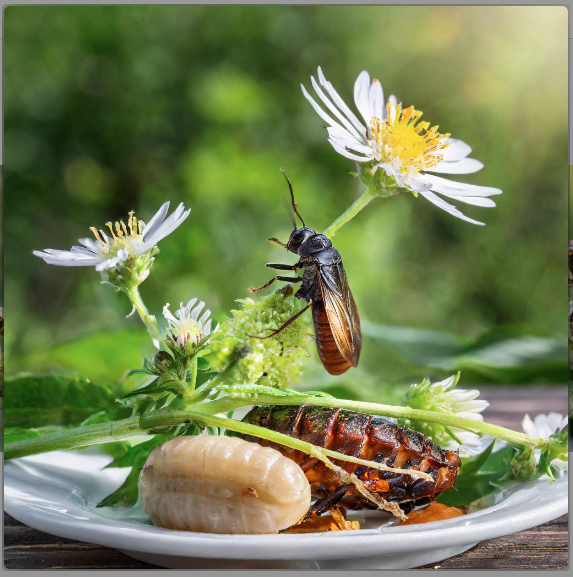
In various regions across the globe, entomophagy, the practice of consuming insects, is a common dietary choice. Insects represent the most abundant source of protein on Earth, and many boast high concentrations of essential nutrients, such as omega-3 fatty acids. Considering that two billion people regularly include insects in their meals, incorporating edible bugs into your emergency survival diet should be a manageable prospect.
Notable Edible Bugs:
- Grasshoppers and Crickets:
- Rich in protein, easily collectible, and available in various locations.
- Consider using cricket powder or flour for a more convenient consumption method.
- Caution: Grasshoppers may carry nematodes, necessitating thorough cooking.
- Ants:
- Abundant and delicious, ants are accessible virtually anywhere.
- Capture them by disturbing an anthill and collect in water to prevent escape.
- Boil for approximately six minutes to neutralize acidity before consumption.
- Termites:
- A protein-rich source that dwells in wood, reducing the likelihood of parasites.
- Gather from cracked logs and roast in a dry pan for a crispy texture.
- Grubs:
- Larval stages of beetles, found in rotting logs and under rocks.
- Skewer and cook over an open flame until the skin becomes crispy.
- Woodlice:
- Also known as “sow bugs,” these terrestrial crustaceans resemble shrimp in flavor.
- Easily collectible by overturning rocks and logs; boil thoroughly to eliminate nematode risk.
- Earthworms:
- Although not insects, earthworms are edible and can be found in damp soil or decomposing flora.
- Cook them to avoid potential parasites and ensure a more palatable experience.
- Stinkbugs:
- Surprisingly edible, stinkbugs defy the “don’t eat it if it smells bad” rule.
- Soak in warm water for 5 to 10 minutes to remove the unpleasant odor, then roast in a dry pan.
- Scorpions:
- Common street food in some regions, scorpions taste similar to crab.
- Remove the stinger, and cook thoroughly to neutralize venomous properties.
- Earwigs:
- Safe to eat, earwigs lack stingers or venom.
- Collect them from garden areas, and cook as desired.
Embracing the nutritional potential of edible bugs can be a vital skill in emergency situations. Ensure proper preparation, cooking, and awareness of potential risks when incorporating insects into your survival diet.