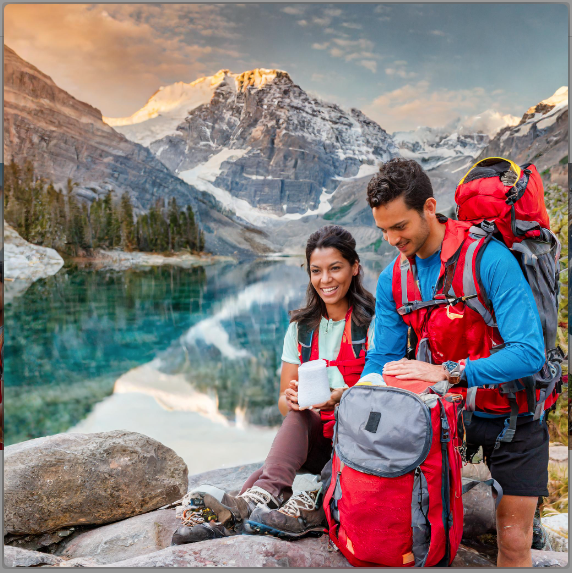
Embarking on a hiking adventure exposes you to the unpredictable elements of nature, and accidents can happen when you least expect them. Picture this: you’re in the wilderness, miles away from your car, and a slip leads to an injury. The catch? Your first-aid kit is safely tucked away in the car, 12 miles back. Fear not; this comprehensive guide will equip you with the knowledge to improvise and navigate through the challenges of injury survival without a first-aid kit.
- Keep Calm and Improvise:
Advise against panic. Instead, embrace the power of improvisation. Most items in a standard first-aid kit can be improvised with readily available resources in the wilderness.
- Wound Cleaning:
Research suggests that water is an effective cleanser for cuts. Irrigate the wound with at least one liter of the cleanest water available, preferably purified water. If you have soap, apply it to the surrounding skin, avoiding contact with the wound itself. Bandage the wound until access to antiseptic is possible.
- Improvised Bandages:
In the absence of sterile bandages, find the cleanest fabric available, tear off a piece, and fold or crumple it. Place it on the cut and apply pressure. Add more bandages without removing the initial one once bleeding has stopped. Clean the wound and rebandage as needed, securing the fabric with strips or cloth.
- Splinting:
Creativity is key when it comes to splinting in the wilderness. Use resources like long grass bundles, your sleeping pad, stove screen, trekking poles, sticks, or pack stays. Secure the splint with strips of cloth, straps, or vines. Ensure the splint is firm but padded, immobilizing joints above and below the fracture to avoid further injury.
- Nature’s Antibiotic:
Old-man’s beard, scientifically known as usnea, has been used for centuries as a natural antiseptic. These greenish, hair-like tufts grow on tree branches worldwide. Pull back the main stem’s sheath to reveal a white cord in the center, and place a clump on the cut for its antibacterial properties.
Conclusion:
While a well-equipped first-aid kit is the ideal solution for handling injuries during outdoor activities, knowing how to improvise with nature’s resources can be a lifesaver in challenging situations. This comprehensive guide empowers hikers to stay calm, think creatively, and utilize the available resources for effective wound care, bandaging, splinting, and even natural antibiotics. Remember, survival is not just about the tools you have; it’s about the knowledge and resourcefulness you bring to the table when facing the unexpected in the great outdoors.