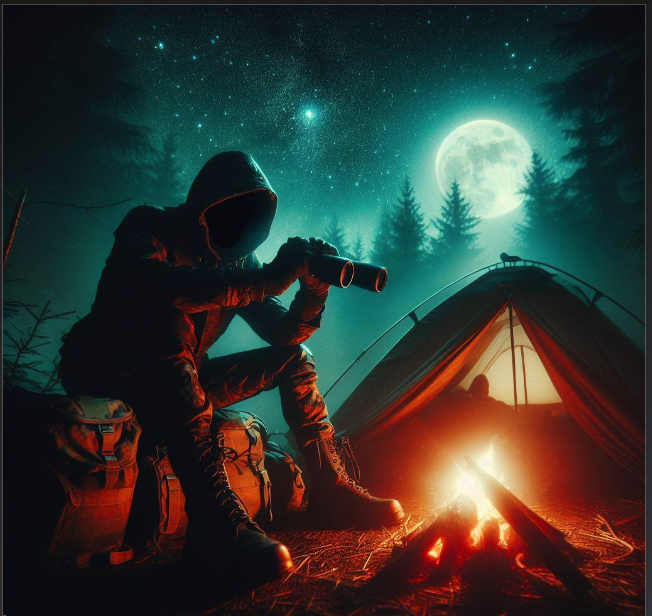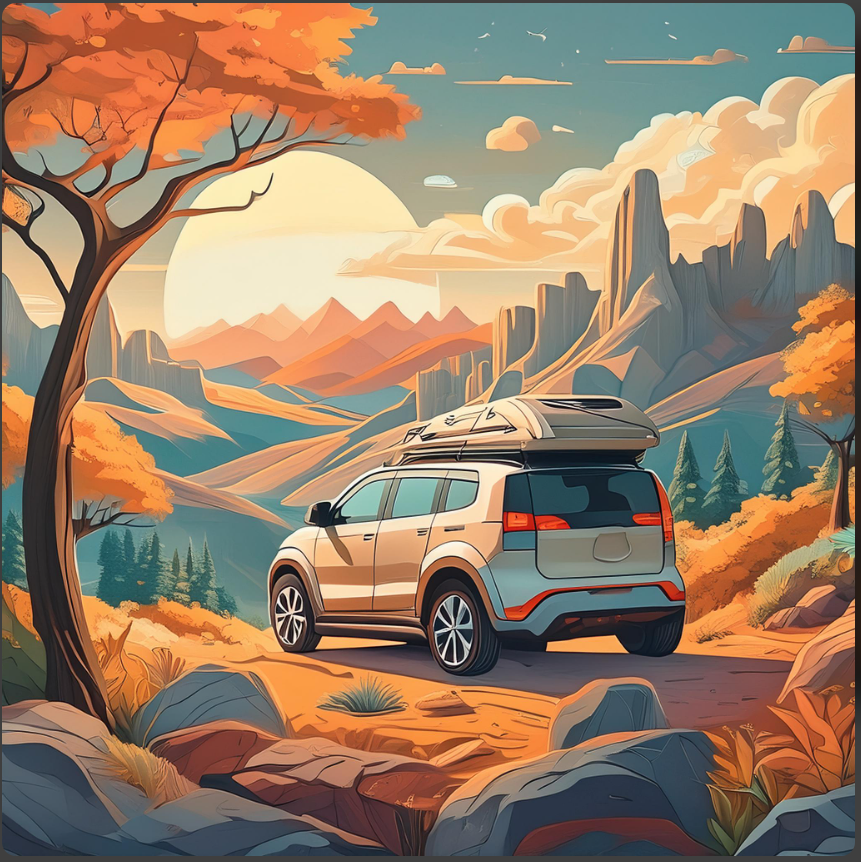
Stealth camping has gained popularity among adventure seekers and van dwellers as a way to live off the grid while remaining inconspicuous. In this comprehensive guide, we will explore the ins and outs of stealth camping, drawing from the author’s personal experience of living in a van for 13 months in the UK. From legal considerations to practical tips, this guide aims to help beginners navigate the world of stealth camping.
Is Living in a Van Legal? Living in a van is currently legal in mainland Europe, the UK, and the USA, as long as the vehicle is roadworthy and complies with relevant regulations. The absence of specific laws against living in converted vans, motorhomes, or RVs provides van dwellers with the freedom to explore this alternative lifestyle.
Top 10 Tips for Stealth Camping:
- Learn How to Blend In: Blending in is crucial for successful stealth camping. Choosing a nondescript vehicle, such as a white panel van, helps you go unnoticed. Blackout curtains and maintaining a low profile contribute to keeping your presence discreet.
- Park Outside of the City Centre and Use Public Transport: Opting for parking on the outskirts of cities and utilizing public transport minimizes the chances of drawing attention. Seeking green spaces or camper-friendly areas enhances safety and provides a sense of community.
- Try to Keep Inconspicuous: Choosing plain and unremarkable colors for your van, avoiding attention-grabbing designs, and using accessories like wheel clamps contribute to staying inconspicuous. The goal is to blend into the surroundings seamlessly.
- Switching Up Stealth Camping Spots: Avoid staying in the same location for too long to prevent drawing attention. Regularly changing your parking spots, rotating between a few reliable locations, helps maintain a low profile and reduces the risk of detection.
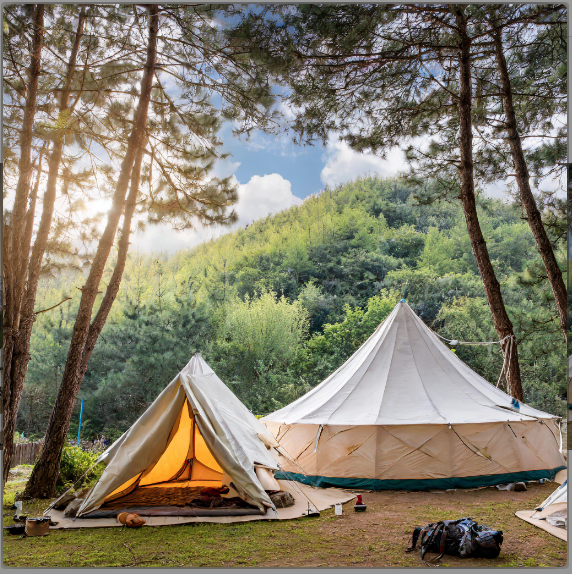
- Parking on Forest Land: Stealth camping isn’t limited to urban areas. Exploring forest lands, especially in the US and the UK, provides opportunities for free camping. Adhering to guidelines, such as not overstaying and leaving no trace, ensures responsible camping.
- Use Apps to Find Great (and Safe) Spaces: Leverage community-driven apps like Park4Night and iOverlander to discover safe and suitable camping spots. These apps provide valuable insights from fellow campers, aiding in finding diverse and secure locations.
- Things to Look Out for While Stealth Camping: Being aware of your surroundings is essential. Avoiding areas with broken glass, excessive graffiti, or proximity to nightlife hotspots enhances safety. Utilize user comments on apps to gauge the experiences of others in specific locations.
- What to Do If the Police Come Knocking: Encounters with law enforcement may happen, but they are usually non-confrontational. Being cooperative and moving when requested ensures a positive interaction. Sharing information about safe camping spots can also build rapport.
- Make Sure You Park Up at a New Place During Daylight Hours: Arriving at a new location during daylight hours provides a better understanding of the surroundings. Assessing the area for safety, spotting fellow campers, and identifying potential challenges are easier in daylight.
- What to Do When Leaving Your Van Unattended: Security measures, such as fitting a GPS tracker, external locks, steering wheel locks, and tire clamps, enhance the safety of your van when left unattended. Bolting a safe to the floor adds an extra layer of protection for valuables.
Conclusion: Stealth camping offers a unique and adventurous way to explore the world while living self-sufficiently. By following these top 10 tips, beginners can embark on a safe and enjoyable stealth camping experience, appreciating the beauty of nature from the comfort of their vans.