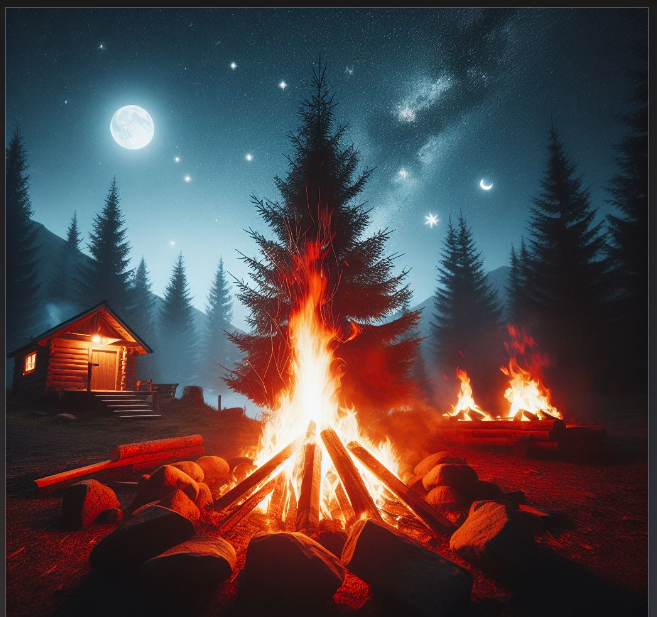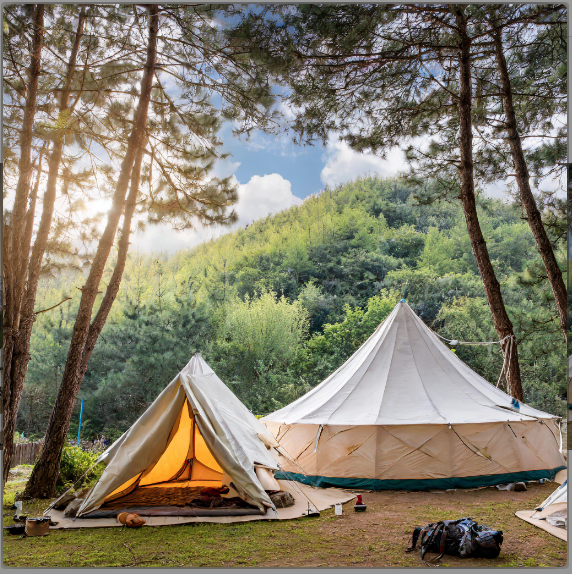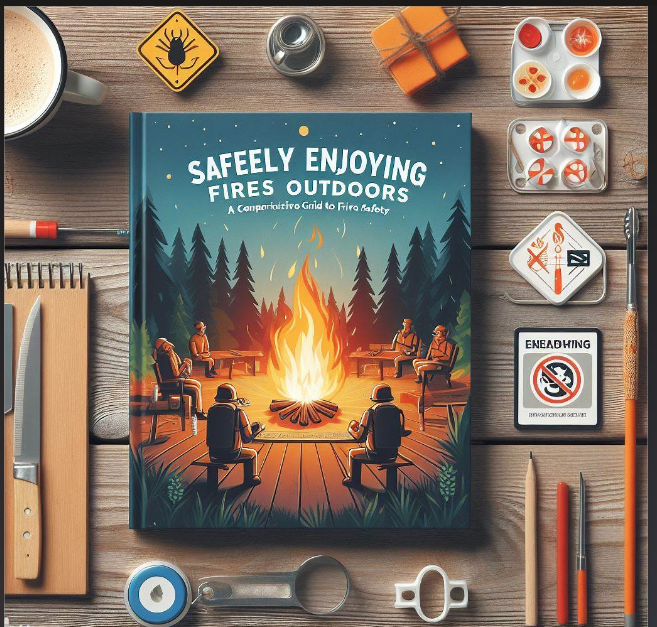
Wildfires pose a significant threat to our forests, impacting an average of 7.5 million acres each year. Alarmingly, nearly 85% of wildfires are caused by human activities. However, the good news is that with proper precautions and responsible behavior, we can prevent a large portion of fire damage to our natural spaces. In this article, we will explore essential fire safety tips and guidelines to ensure a safe and enjoyable outdoor experience.
10 Fire Safety Tips:
Avoid Making Fires:
The best way to reduce the impact on natural spaces is to abstain from making fires.
Explore alternative ways to stay warm and cozy without relying on open flames.
Know the Fire Danger Level:
Always check the current fire danger level in the area you plan to visit.
Consult local agencies like the Bureau of Land Management, National Forest Service, or state and local parks for updated information.
Check for Fire Restrictions:
Research specific fire regulations for the exact area you intend to visit.
Look for information on the managing agency’s website for detailed restrictions.
Use Established Fire Rings:
Choose established fire rings at campsites or use portable fire pits when necessary.
Clear the area around the fire ring and ensure proper disposal of trash.
Clear Dead/Dry Debris:
Sweep the perimeter of the fire ring to clear dead leaves and twigs.
Create a safe zone of at least 10 feet in diameter for your fire.
Keep Fires Small:
Opt for smaller fires, which are easier to manage and pose less risk to the environment.
Enjoy the warmth and ambiance without unnecessary risk.
Don’t Leave Fires Unattended:
Never leave a fire unattended, as winds can quickly change, carrying embers over a distance.
Keep a close eye on the fire, especially when camping overnight.
Extinguish Fires Completely:
Use water to completely extinguish fires before leaving the site.
Avoid using sand or dirt, as water is more effective in dousing flames.
Keep Extra Water Nearby:
Have extra water ready to extinguish any burning debris that may escape from the fire.
Be vigilant and responsive to any sparks or embers.
Be Attentive with Gas Stoves/Lanterns:
Exercise caution with gas stoves and lanterns, especially in dry and flammable conditions.
Use these items away from dried grass, leaves, and other flammable materials.
Other Fire Tips:
Firewood Considerations:
Only use wood from the area you’re in to prevent introducing pests or invasive flora.
Collect branches and twigs of wrist-size diameter for efficient burning.
Leave standing deadwood intact to preserve wildlife habitats.
Fire & Smoke Maps:
Consult fire and smoke maps to evaluate safety and air quality in areas impacted by active fires.
Be prepared to change plans if conditions are unsafe.
Alternatives to Fires:
Embrace alternative ways to stay warm and create ambiance without fires.
Consider camp blankets, cozy socks, string lights, lanterns, and solar lights.
Leave No Trace:
Adhere to Leave No Trace Principles to minimize your impact on natural spaces.
Pack out all trash and follow guidelines for responsible outdoor behavior.
Starting Fires in Harsh Conditions:
Learn essential skills for starting fires in challenging conditions.
Watch informative videos and reinforce fire safety tips for adverse weather.
Conclusion:
By following these comprehensive fire safety guidelines, outdoor enthusiasts can contribute to the preservation of our natural spaces and protect against the devastating impact of wildfires. Remember to prioritize safety, be mindful of the environment, and always adhere to Leave No Trace Principles. Enjoy the outdoors responsibly and leave a positive impact on the beautiful landscapes we all cherish.