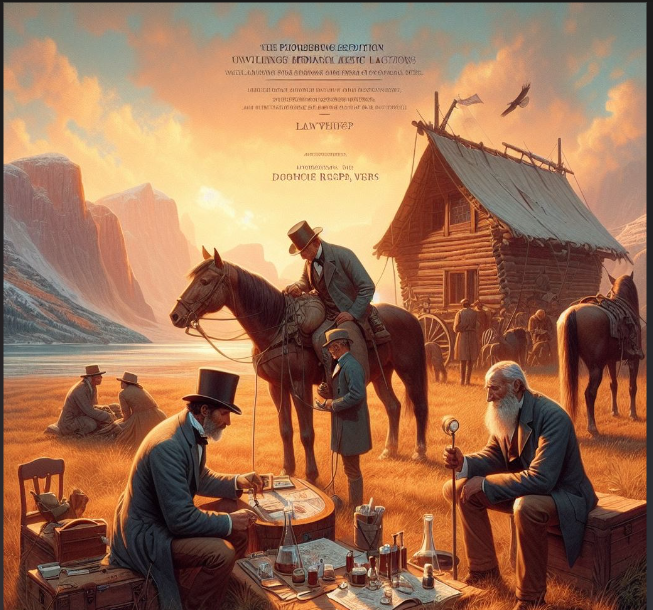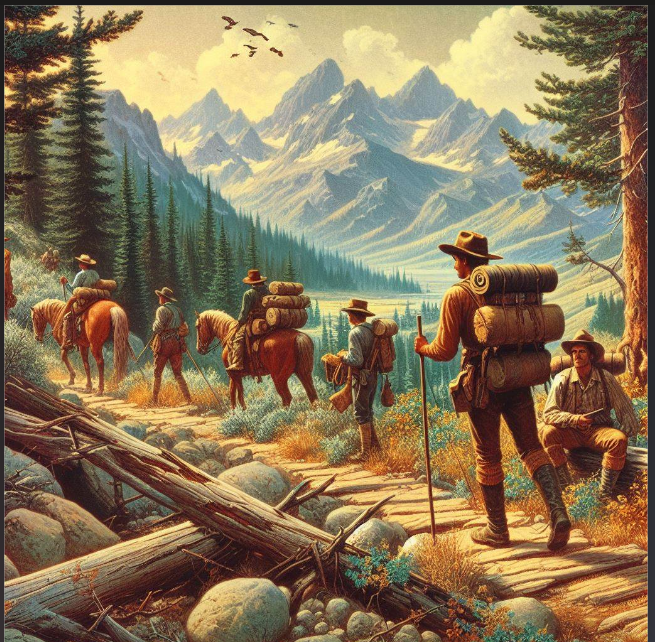
In the vast expanse of untamed wilderness that greeted pioneer settlers, the need to explore and traverse the land gave rise to the creation of hiking trails. These early pioneers, driven by a spirit of adventure and a desire to connect with their surroundings, blazed trails that would later become the foundation for the extensive network of hiking paths we enjoy today.
The Call of the Wild:
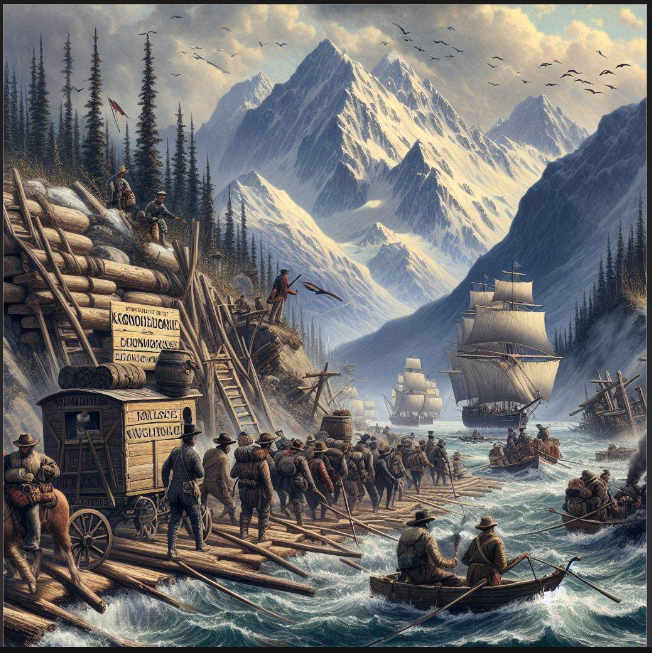
The lure of the unknown beckoned the pioneers as they set out into uncharted territories. The need to forge paths through dense forests, across rolling hills, and over mountainous terrain was driven by a desire to explore, trade, and establish communities. These intrepid individuals faced a myriad of challenges, from rugged landscapes to unpredictable weather, but they pressed on, leaving behind a legacy of trails that would shape the landscape for generations to come.
Navigating the Wilderness:
Unlike the well-marked trails we have today, early settlers had no maps or GPS devices to guide them. Instead, they relied on their instincts, knowledge of the land, and the assistance of indigenous people who had already established their own trails. These pioneers used natural landmarks, rivers, and mountain ranges as guides, gradually forming routes that facilitated travel and trade.
Trading Routes Turned Trails:
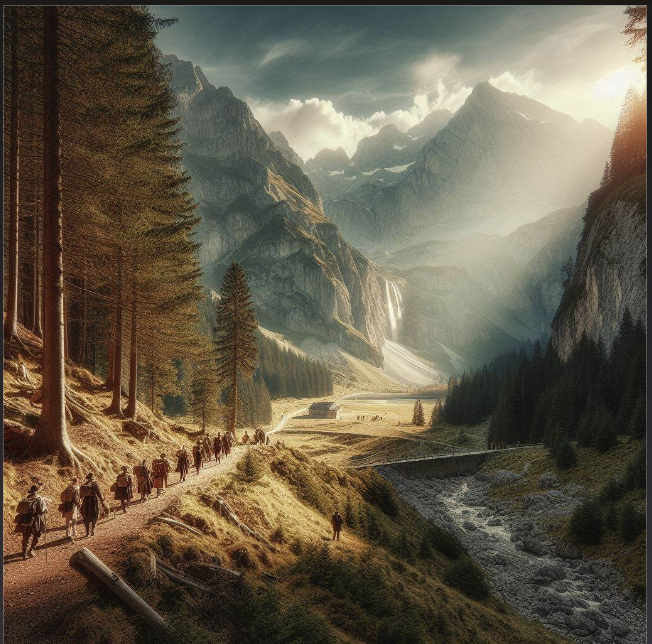
Many early trails began as trade routes, connecting settlements and facilitating the exchange of goods. As settlers established trading posts, these routes evolved into more defined trails. The Great Indian War and Trading Path, for example, became a vital trail connecting the Eastern Seaboard to the interior of the continent, fostering commerce and cultural exchange.
Community Building Along the Trails:
The trails forged by pioneers not only facilitated trade but also played a crucial role in community building. Settlements sprang up along these routes, and the trails themselves became lifelines connecting isolated communities. As these paths grew in importance, communities worked collaboratively to maintain and expand them, reinforcing the sense of unity among settlers.
The Legacy of Early Trailblazers:
The legacy of early settlers lives on in the hiking trails we enjoy today. Many of these historic paths have been preserved and transformed into modern-day hiking trails, offering a glimpse into the challenges faced by those who ventured into the wilderness centuries ago. The Appalachian Trail, for instance, traces its roots back to Native American trails and the paths used by early European settlers.
Native peoples, often following animal tracks, established the earliest network of trails. These were multi-use trails. Native Americans used trails for activities like hunting, warfare, trade, and ceremonial purposes.
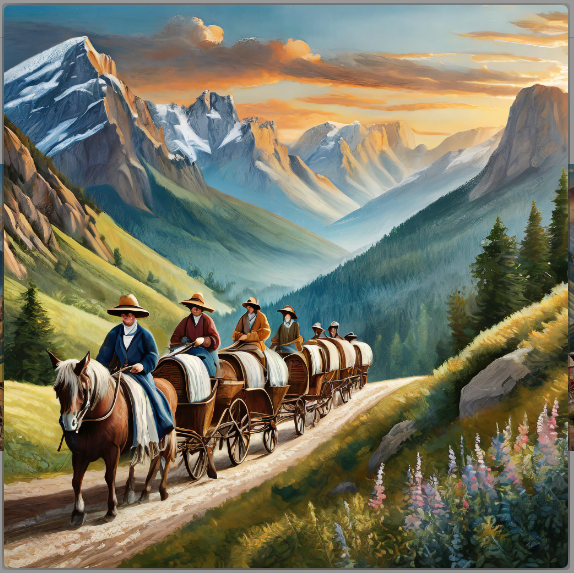
When the Europeans arrived and began to move westward. Some Native American trails became migration routes. With heavy use, the trails widened for carts and eventually became permanent trails or roads. Around 250,000 emigrants used the California National Historic Trail in the 1840s. And about 70,000 Mormons from 1846-1869 followed the Mormon Pioneer National Historic Trail.
The 20th Century Evolution:
As the 20th century dawned, the notion of hiking for leisure emerged in America. The country, predominantly rural until the mid-1800s, witnessed a shift with increasing industrialization. This transformation led to a disconnection from nature, making a simple walk in the woods a luxury. It wasn’t until the late 1800s that hiking gained recognition as a recreational pursuit.
The impact of industrialization was profound, especially in the northeast, where steam engine technology spurred urbanization. Factories and mills attracted people, causing a mass migration from rural areas to burgeoning industrial centers. The ensuing expansion of housing and commercial zones limited access to open spaces, making recreational walks challenging. The urban lifestyle, dominated by work and social engagements, no longer integrated rural walks into daily routines for many Americans.
Central Park in New York City, conceived in 1851 by Frederick Law Olmsted and Calvert Vaux, marked a pivotal moment. Designed as a naturalistic landscape, it aimed to provide a healthy environment accessible to all, regardless of social status. The success of Central Park sparked a nationwide urban park movement, offering millions of Americans access to natural settings and open spaces.
The Turn of the Century and Hiking Renaissance:
The turn of the century witnessed a surge in hiking-related activities. Though not officially recognized by the Forest Service until 1933, hiking’s popularity manifested in outing clubs and outdoor programs for youth. Concerns over disappearing wilderness prompted the formation of clubs like the Sierra Club, which advocated for wilderness preservation.
The early outing clubs played a crucial role in developing pedestrian resources, including marked trails and shelters. The Appalachian Mountain Club’s guidebook in 1907 laid the groundwork for a network of hiking trails, many of which evolved into national forests or parks.
The early 1900s also saw the rise of outdoor programs for young people, emphasizing the regenerative power of nature. The Woodcraft League, founded in 1902, and later the Boy Scouts and Girl Scouts, instilled an appreciation for hiking and outdoor activities in generations of Americans.
Post World War II and Hiking Boom:
Post World War II, as leisure time increased and technology advanced, hiking gained popularity as an affordable and accessible outdoor activity. National forests became hubs for hiking, leading to increased demand for well-maintained trails. The 1950s saw a recreation boom, with hiking visits tripling by 1964.
Hiking’s popularity continued to grow throughout the 20th century. By 1999-2000, 69 million Americans participated in hiking, representing a 44% increase since 1982. Despite technological advancements and urbanization, hiking remains a beloved outdoor activity, providing a respite from the stresses of modern life.
Conclusion:
The creation of hiking trails by pioneer settlers was not merely a practical necessity; it was an expression of human curiosity and resilience in the face of the unknown. As we lace up our hiking boots and embark on well-maintained trails, let us take a moment to appreciate the vision and determination of those who first ventured into the wilderness, laying the groundwork for the outdoor adventures we cherish today. The evolution of hiking trails from essential trade routes to recreational paths reflects the enduring human connection to nature and the ongoing legacy of those who blazed the early trails.