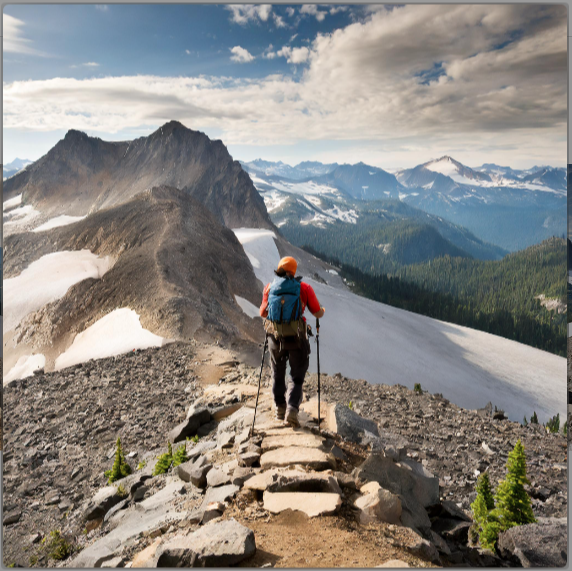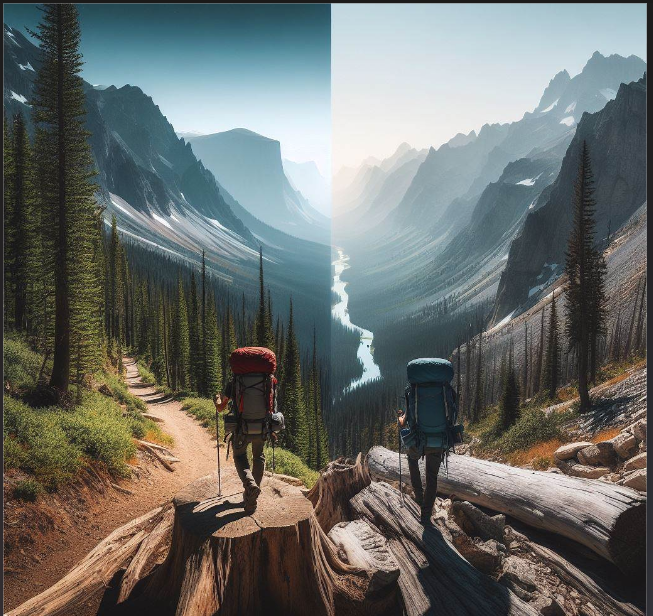
In my pursuit of a transformative backpacking adventure, the Pacific Crest Trail (PCT) has been my primary focus, driven by the allure of the mesmerizing landscapes in the Pacific Northwest and Northern California. However, the Continental Divide Trail (CDT) has sparked my interest, offering the promise of solitude and a respite from the constant presence of fellow hikers on the PCT.
One of the fascinating aspects of the PCT is the potential for forging deep connections with other hikers, creating a sense of camaraderie. Yet, my desire to be truly one with nature and immerse myself in the experience makes the CDT an enticing alternative, where solitude and a more profound connection with the wilderness seem achievable.
Safety is a paramount concern, and the perception that the PCT is safer due to the higher number of hikers and easier access to resupply points weighs heavily on my decision-making process. However, the contrasting allure of the CDT lies in its length, unforgiving terrain, and the challenge presented by its narrow weather window.
As I contemplate this pivotal decision, I am keenly interested in hearing from those who have traversed either or both of these iconic trails. One such adventurer reflects on the CDT as a personal favorite, highlighting the solitude, breathtaking views, and the rich historical tapestry woven into the landscapes, including the stories of Native Americans and Lewis and Clark.
Examining the trails more closely, it becomes evident that the CDT, being longer and less forgiving, demands careful consideration from first-time thru-hikers. The potential for unforeseen challenges to derail the journey is a significant factor to weigh.
Conversely, the PCT, with its varied terrains and increasing popularity, offers a more predictable trail, making it a relatively safer option for those venturing into long-distance hiking for the first time. The trail’s beauty is showcased through well-blazed paths, providing a visually stunning experience.
The notion that resupplying on the CDT is more challenging is debunked, with both trails presenting manageable options. However, the CDT introduces additional complexities, such as navigation skills, alternate routes, and the potential for wildfire reroutes, making it a more intricate journey.
A considerable portion of the CDT involves traversing unpaved forest roads, country roads, and even highway walks, particularly in Wyoming and parts of New Mexico and Montana. While not entirely consisting of road walks, it involves more than just “some degree of minor unpaved forest road.”
Choosing between the PCT and CDT hinges on personal preferences. The PCT offers a visually enchanting experience with moderate challenges, while the CDT is an expedition into remote, challenging terrains with moments of unparalleled solitude and autonomy.
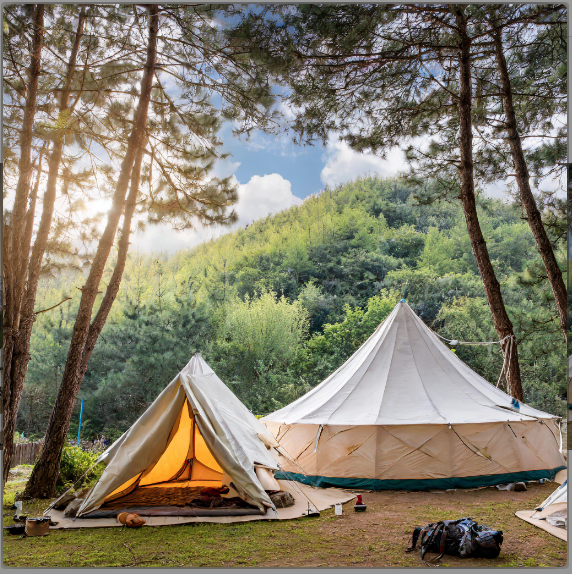
For those seeking a profound immersion in nature, organizing the hike to minimize human interaction becomes crucial. This involves adopting unconventional hiking styles, exploring during off-peak seasons, learning about local flora and fauna, and embracing the wilderness on a deeper level.
In conclusion, both trails pose risks, but the PCT is generally considered safer and more forgiving, making it an excellent choice for those embarking on their first long-distance hike. The decision ultimately rests on aligning personal goals with the desired transformative and immersive experience in the great outdoors.