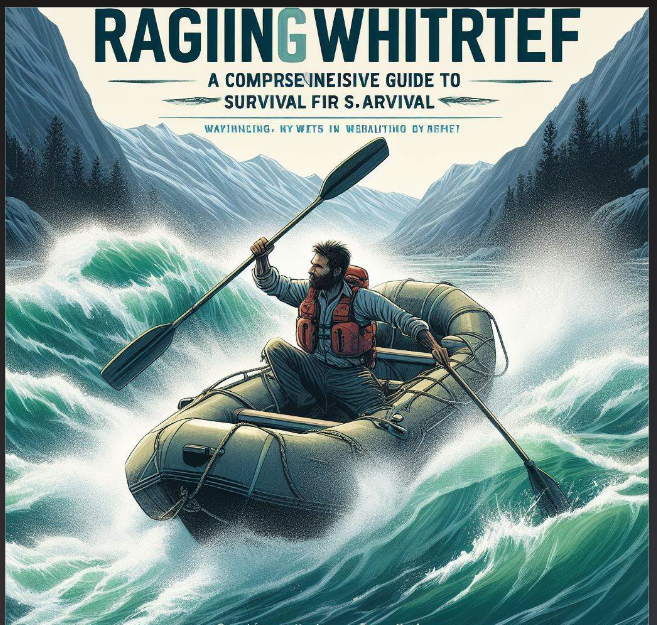
Embarking on outdoor adventures often involves crossing streams and rivers, but unexpected mishaps, such as slipping into raging rapids, can turn a tranquil trek into a life-threatening situation. In this guide, we’ll explore crucial tips to help you battle your way out of a turbulent river and emerge safely on the other side.
The Predicament: A Slip into the Rapids
Picture this: you’re carefully inching across a slippery log spanning a stream filled with hip-deep water when, suddenly, you lose your footing and find yourself swept away by the powerful currents. What do you do next?
Lifeline Strategies
- Wriggle Out and Float: The first step is to free yourself from your pack, allowing you to stay buoyant. Position yourself on your back, facing downstream with your knees bent and toes pointing upward. This posture minimizes the risk of getting snagged on underwater obstacles. Keep your head raised for better visibility.
- Navigation and Rebounding: As you navigate through the tumultuous waters, use your legs to rebound off rocks, maintaining control of your movements. Avoid sweepers, fallen trees that can be hazardous obstacles. Kick and paddle towards calmer waters, aiming for an eddy or the shoreline.
- Clothing Adjustment: Before attempting to cross any water body, shed bulky layers of clothing to prevent them from weighing you down. Unbuckle your pack’s hipbelt and sternum strap, and loosen the shoulder straps for better maneuverability.
- Crossing Techniques: When fording fast-flowing water, face upstream to maintain better control and stability. Be cautious not to underestimate the force of the water, even in seemingly calm conditions.
- Time and Conditions: Contrary to popular belief, early morning may not always be the safest time to cross melt-swollen streams. Jessica Lundquist, an engineering professor at the University of Washington, warns that factors like river distance and snowpack depth can lead to peak flows at any time of day or night. If the water exceeds knee-deep, exercise patience, look for a shallower crossing point, or consider turning back.
Conclusion
Surviving a plunge into raging whitewater demands a combination of preparedness, quick thinking, and the right techniques. By following these tips, you increase your chances of navigating through challenging river scenarios and emerging unscathed on the other side. Always prioritize safety and remain vigilant in the face of unpredictable water conditions.