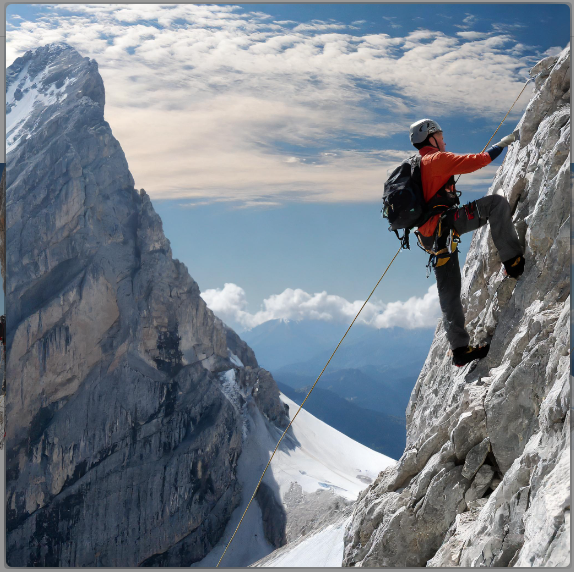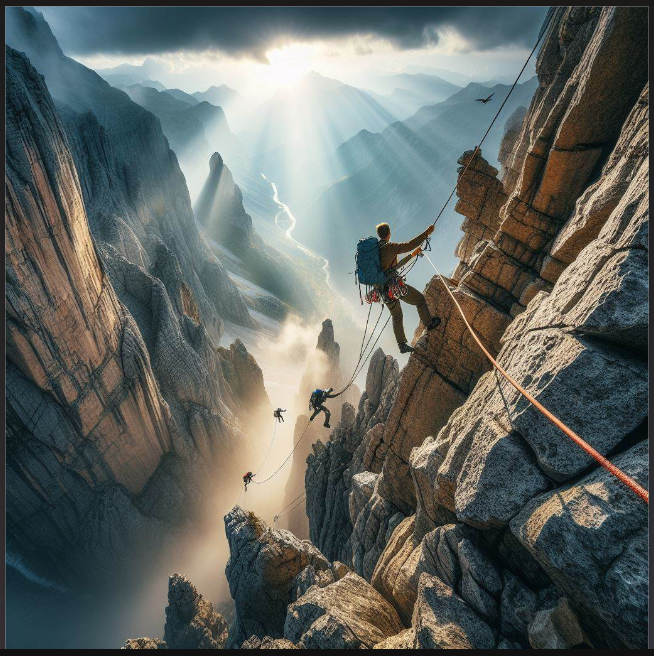
Encountering a sheer cliff without a rope can be a daunting challenge, especially when faced with the need to descend urgently. Whether due to unforeseen circumstances or dire situations, knowing how to navigate vertical drops without traditional climbing equipment is a valuable skill. In this comprehensive guide, we will explore improvised methods for descending sheer cliffs and address critical considerations for ensuring your safety.
Improvised Ropes:
When faced with a sheer cliff and lacking a rope, improvising a makeshift solution becomes essential. Begin by assessing the longest items at your disposal, as longer segments reduce the need for numerous knots, which can weaken the structure. In a survival scenario, consider using clothing or a sleeping bag, cutting them into strips, and braiding them together. Connect segments with a flat overhand knot, ensuring a sturdy and reliable makeshift rope.
The length of your improvised rope is crucial for a successful descent. It must be long enough to wrap around a tree or rock, allowing both ends to reach the ground below for retrieval. If the length falls short, utilize a bowline knot to secure the rope to an anchor. Position yourself perpendicular to the ledge, pass both strands between your legs, around the downhill hip, over the opposite shoulder, and around the back of your neck. Grip the end with your downhill arm to control the descent, bearing in mind that the increased surface area may cause friction discomfort but is preferable to the risks of an uncontrolled fall.
Assumptions and Scenario Considerations:
In addressing the question of descending a sheer cliff without a rope, it is crucial to establish certain assumptions. First and foremost, assume that no one knows your location, emphasizing the urgency of the situation. Additionally, consider the severity of your circumstances and eliminate the possibility of having a rope available. This guide is tailored to survival scenarios where improvisation becomes the key to descending a sheer cliff safely.
Addressing Medical Emergencies:
Beyond the challenges of descending sheer cliffs, the outdoors can present various other dangers, including medical emergencies. If a hiking companion collapses, the instinct to be a hero by carrying them out should be tempered with practicality.
Attempting to carry an unconscious adult for an extended distance is not advisable and could jeopardize both individuals. Instead, focus on moving the person a short distance to a safe location. Loop your forearms under their armpits and walk backward, maintaining their torso as level as possible. In hot weather, move the individual to the shade, loosen tight clothing, and keep them cool until professional help arrives.
The decision to stay with an unconscious hiker or go for help depends on the circumstances. If rescue is possible, it is recommended to summon help and provide necessary support until assistance arrives. If rescue is unlikely and the situation is dire, leaving a note and ensuring the person is positioned on their side with access to food and water may be necessary before attempting to seek help.
Conclusion:
Encountering a sheer cliff without a rope requires resourcefulness and strategic thinking. By understanding how to improvise a makeshift rope and addressing medical emergencies in the wilderness, you increase your chances of navigating challenging situations successfully. Always prioritize safety, assess the risks, and make informed decisions when faced with the unexpected in the great outdoors.