Introduction:
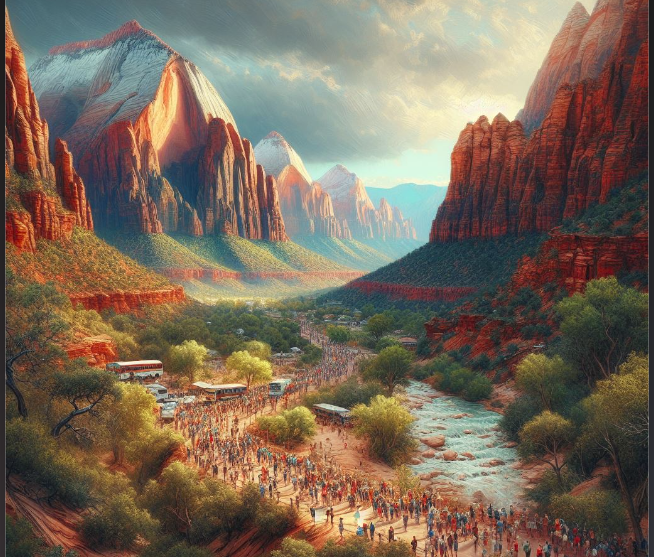
In recent years, the popularity of US National Parks has skyrocketed, attracting millions of visitors annually. While the allure of these natural wonders is undeniable, dealing with the crowds can turn an anticipated adventure into a frustrating experience. To ensure an enjoyable and responsible visit, consider these tips on how to beat the crowds and make the most of your time in overcrowded National Parks.
Do Your Research Beforehand:
One of the best ways to contribute to uncrowded National Park experiences is through meticulous planning. Check the specific website of the National Park you plan to visit for information on entrance fees, timed entrance reservations, updates, and camping permits. Researching in advance helps you navigate the logistical challenges and ensures you’re well-prepared.
Consider Lesser-Known Parks:
While iconic parks like Zion and Yosemite are bucket-list destinations, there are 423 National Park sites to explore. Choosing a lesser-known park or nearby National Forests and public lands can provide similar scenic views without the overwhelming crowds. Parks like Hot Springs National Park in Arkansas or Petrified Forest National Park in Arizona offer unique experiences with fewer visitors.
Visit Mid-Week and Start Early:
Strategically plan your visit by choosing off-peak hours and days. Tuesdays and Wednesdays are generally less crowded, but any weekday is preferable to weekends. Starting early in the morning or late in the day allows you to experience popular trails with fewer people and capture the tranquility of sunrise or sunset.
Explore During Off-Peak Seasons:
To avoid peak-season crowds, plan your trip during the shoulder seasons (fall or spring). You’ll not only face fewer visitors but also enjoy the beauty of blooming wildflowers in spring or stunning fall foliage. Some parks may be accessible in winter, offering a unique and less crowded experience.
Opt for Less Popular or Challenging Hikes:
Choose trails that are less popular or rated as difficult. The further you venture from major lookout points, the fewer people you’ll encounter. If you’re set on popular trails, start early or hike during off-peak hours to maximize solitude. Backpacking trips also provide opportunities for a more immersive and less crowded experience.
Be Prepared and Self-Sufficient:
Research your trip, mark trails on your hiking apps, and pack essentials like food and water. Being self-sufficient minimizes the time spent waiting in lines at park concession stands. Take the time to educate yourself on trail safety, weather conditions, and any potential challenges specific to the park you’re visiting.
Visit the Visitor’s Center:
Stop by the visitor’s center to familiarize yourself with park details, trail maps, and up-to-date information. In addition to learning about lesser-known trails, you can gain insights into recent wildlife interactions and other tips to enhance your experience.
Know Leave No Trace Principles:
Responsible outdoor recreation involves following Leave No Trace principles. Educate yourself on these principles, campfire safety rules, and park regulations. Your commitment to minimizing environmental impact contributes to the long-term preservation of these cherished natural spaces.
Practice Good Trail Etiquette:
Be respectful and considerate of fellow hikers and the environment. While overcrowded parks can be challenging, maintaining a positive attitude and practicing good trail etiquette contribute to a more enjoyable experience for everyone.
Keep a Positive Attitude:
Recognize that visiting popular National Parks comes with the shared responsibility of preserving these natural wonders. By following these tips, practicing good etiquette, and adhering to Leave No Trace principles, you contribute to the sustainability of these parks for future generations.
Conclusion:
Visiting overcrowded National Parks requires thoughtful planning and a commitment to responsible outdoor recreation. By incorporating these tips into your travel strategy, you can beat the crowds, enjoy a more serene experience, and play a role in preserving the beauty of our National Parks for years to come.