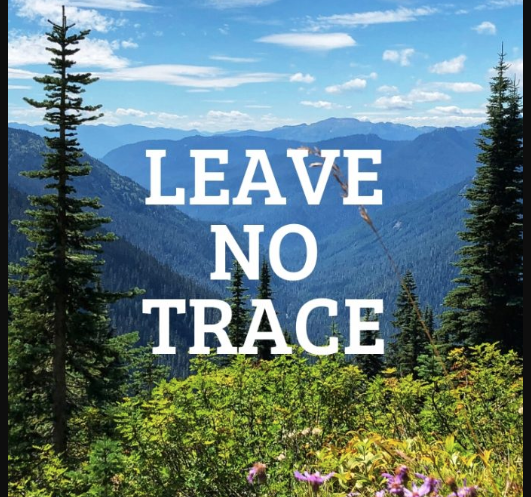
Living in the Pacific Northwest offers a unique opportunity to explore vast wilderness areas, where the expectation is to follow the principles of Leave No Trace (LNT). As someone deeply entrenched in the world of outdoor recreation, with a focus on recreation ecology, I’ve witnessed firsthand the impact of human activities on these pristine landscapes. Contrary to the misconception that LNT only revolves around carrying out trash, it is a comprehensive set of principles aimed at minimizing the ecological and social footprint we leave in the wilderness.
One of the fundamental tenets of LNT is the avoidance of building structures in natural settings. This isn’t just a guideline; it’s a rule backed by the fact that such structures disrupt the delicate balance of the ecosystem. Forest service personnel are tasked with dismantling these human-made constructs, adding an unnecessary burden to their already challenging responsibilities.
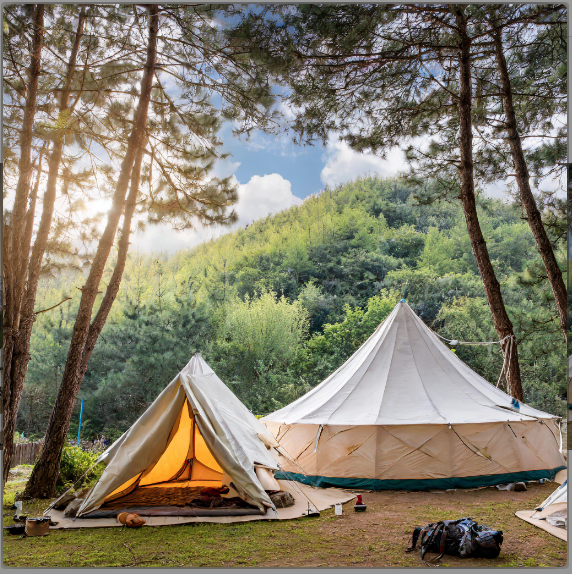
Crowded wilderness areas can quickly lose their sense of remoteness and natural beauty if LNT principles are ignored. The aim of venturing into the wilderness is not to replicate a bustling KOA campground but to immerse oneself in the untouched, wild environment. LNT is about leaving nature as it was, not just about carrying out garbage.
My background as a backcountry ranger and my ongoing pursuit of a master’s degree in recreation management, specializing in recreation ecology, have provided me with invaluable insights. Through my research, particularly in monitoring campsite impacts, I’ve uncovered the extensive and sometimes irreversible consequences of human activities in these fragile ecosystems.
The historic context of the impact of outdoor recreation, especially in the Northeast during the 60s, 70s, and 80s, underscores the importance of LNT principles. Areas that suffered severe degradation due to unregulated recreation are now on the path to recovery, thanks to the implementation of minimum impact ethics and increased regulations.
While it’s tempting to think that individual actions have minimal impact, the cumulative effect of hikers and campers can be significant. From contaminated water sources to modified animal behavior patterns, the repercussions of not adhering to LNT principles can be far-reaching. My research even unveiled instances of illegal tree cutting, highlighting the need for constant vigilance in protecting these natural havens.
The discussion extends beyond physical impact; it delves into the social aspect as well. Constructing structures or monuments, no matter how artistic, leaves a lasting visual imprint on the wilderness. Such additions compromise the “wild” nature of an area and diminish the experience for subsequent visitors.
It’s disheartening to encounter an “Anti-LNT” sentiment, as this mindset risks the imposition of stricter regulations and closures by management agencies. The core of LNT lies in education and understanding, dispelling the notion that it insulates us from our relationship with the environment. On the contrary, it empowers us to make informed decisions that contribute to the preservation of these pristine landscapes.
As outdoor enthusiasts, we must acknowledge our responsibility to minimize our impact. The adoption of the Limits of Acceptable Change Framework emphasizes setting reasonable limits to ensure that backcountry resources remain protected. This isn’t just for our enjoyment but also because certain ecosystems have an inherent right to exist and flourish without undue human influence.
The plea to consider the question, “If everyone who visited here did this, what would the impacts be?” encapsulates the essence of LNT. Whether a seasoned hiker or a beginner, each individual plays a role in shaping the future of our wilderness areas. The commitment to leaving no trace is not just a personal choice; it’s a collective responsibility that defines the legacy we leave for generations to come.
In conclusion, “Leave No Trace” is not merely a set of rules; it’s a philosophy that fosters a deep connection between humans and the environment. It’s a commitment to preserving the wilderness, not just for us but for the countless others who seek solace and inspiration in its untouched beauty. As we venture into these wild spaces, let’s embrace the principles of Leave No Trace and ensure that our footsteps leave nothing but memories behind.