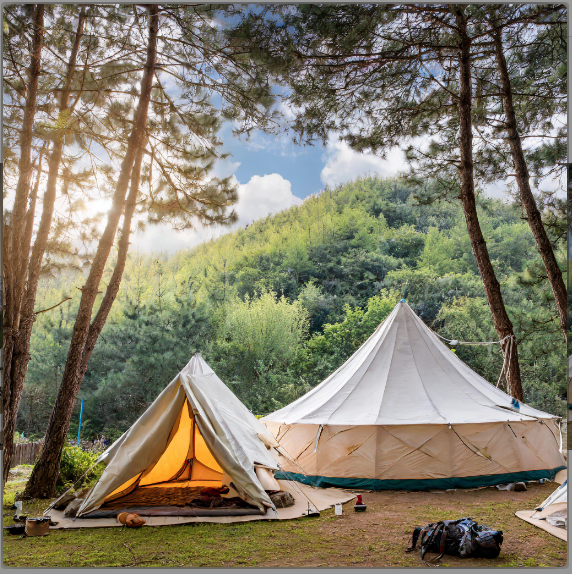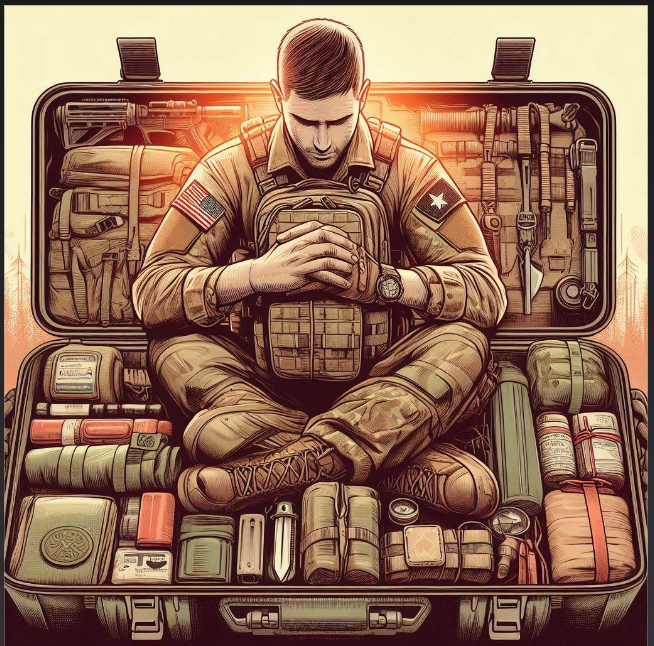
Embarking on an outdoor adventure entails not only the thrill of exploration but also the responsibility of being prepared for unforeseen challenges. To gain insight into the art of survival, we turn to the expertise of a military survival instructor, someone who navigates and endures the unexpected with precision. In this comprehensive guide, we explore the thought process and strategies behind packing a survival kit tailored to individual needs and environmental factors.
The Pitfalls of Generic Survival Kits
Many people opt for pre-packaged survival kits, assuming they are ready for any emergency. However, these kits often fall short due to their one-size-fits-all approach. Survival situations are diverse, and environmental conditions vary, making it crucial to customize your kit for specific scenarios.
Off-the-shelf kits may also compromise on quality. Items included in these kits might lack the durability and functionality required for real-world survival. For instance, Ferro rods coated in paint may seem convenient but require additional effort to generate sparks in a crisis.
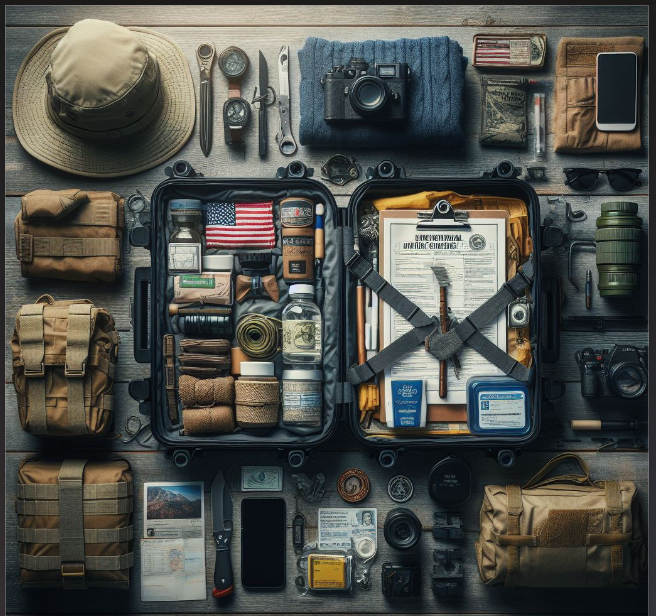
Crafting a Personalized Survival Kit
Crafting the ideal survival kit involves a careful selection of items based on personal expertise and needs. Quality matters, and it’s essential to eliminate unnecessary components that lack practical utility. The kit should be tailored to your knowledge, experience, and the environment you’re likely to encounter.
Lightweight and Practical Design
Survival kits need not be cumbersome; they can be lightweight and efficient. Two primary methods exist for carrying a kit: the one-container method and the scatter method.
- One-Container Method: This involves consolidating all survival gear into a single, compact bundle. While convenient for adjusting your kit based on specific conditions, losing or forgetting the kit can leave you without essential survival gear.
- Scatter Method: This method disperses survival items across various pockets or containers, providing redundancy in case of loss or damage. It offers flexibility and ensures you have access to critical items even if one part of the kit is compromised.
Essential Considerations for Kit Contents
Consider a minimalist approach when selecting items for your survival kit. Multi-use or single-use items that serve crucial functions difficult to replicate in the wild are key. Here are essential considerations:

- Knife: A versatile tool for various tasks.
- Personal Locator Beacon: Critical for signaling in emergencies.
- Fire Starter: Ensure it is efficient and practical for your environment.
- Water Purification Method: Compact and effective for obtaining safe drinking water.
- Shelter: Compact, weather-resistant, and suitable for the environment.
- First Aid Kit: Customized to address potential injuries based on your activities.
Practical Testing and Adaptability
Building a survival kit is just the beginning. Regular practice in challenging scenarios, such as adverse weather conditions or restricted mobility, is crucial. This hands-on experience reveals flaws in your kit and reinforces its proper usage. Survival is an art that thrives on adaptability and resourcefulness.
Conclusion: The Art of Survival
In conclusion, a military survival instructor’s approach to packing for emergencies emphasizes the importance of customization, quality, and practicality. Survival is not about adhering to a generic package; it’s about ensuring your comfort and security in unpredictable situations. Crafting a personalized, lightweight, and efficient survival kit, combined with regular practice, equips you with the skills and mindset needed to navigate and endure the unexpected.