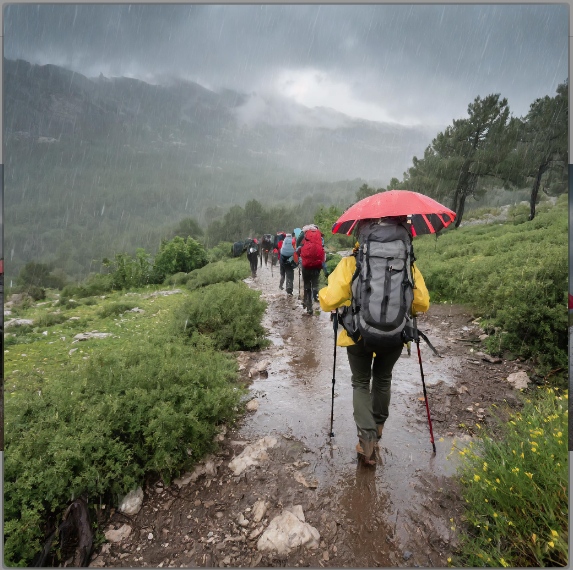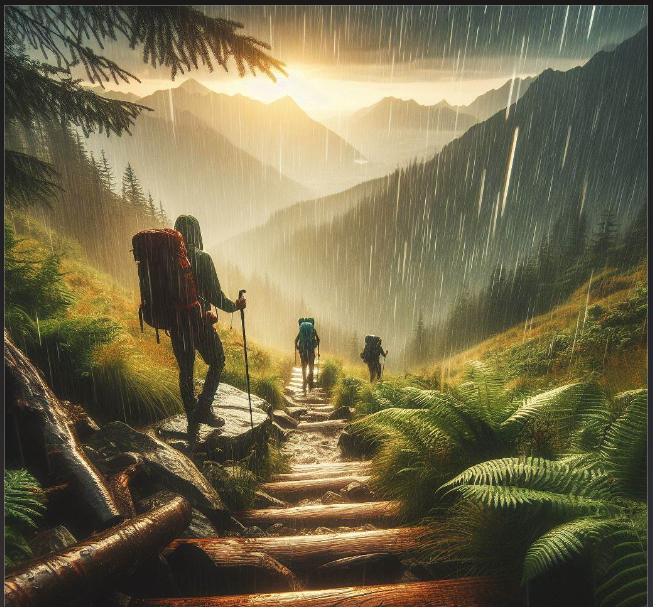
We’ve all experienced it – you’re out on a picturesque hike, enjoying the beauty of nature, when suddenly rain clouds start rolling in. While it might seem like a damper on your outdoor plans, hiking in the rain doesn’t have to be a gloomy experience. With the right preparation, gear, and a positive mindset, you can turn a rainy day into an enjoyable adventure. In this comprehensive guide, we’ll cover everything from early preparation to gear selection, trail safety, and proper drying and care for your equipment.
Before You Go
- Check the Weather
Knowledge is power, especially when it comes to hiking in the rain. Stay informed about the weather forecast before heading out. Resources like the National Oceanic and Atmospheric Administration (NOAA) can provide accurate and up-to-date information. Knowing what to expect allows you to plan accordingly and avoid being caught off-guard. - Let Friends Know
Hiking in the rain poses additional challenges, so it’s crucial to inform someone about your plans. Share your hiking destination and expected return time with a friend. This simple precaution could be a lifesaver in case of unexpected circumstances. - Prepare Snacks and Drinks
A warm drink can be a game-changer in cold, rainy weather. Prepare a thermos with your favorite hot beverage for a day-hike or pack drink mixes for backpacking trips. Having snacks and drinks readily available can lift your spirits and keep you energized during the rain. - Waterproof the Essentials
Protect your essential items such as phone, cash, GPS, headphones, books, and toilet paper from rain. Pack them securely in waterproof containers like a waterproof stuff sack or ziplock bags. This ensures that your vital equipment remains dry even in a downpour. - Prep Your Gear
Waterproof not only your essentials but also your gear. Ensure your raincoat and pants are easily accessible, store extra layers in waterproof bags, and securely package food items that don’t mix well with water. Proper gear preparation is key to staying comfortable during your rainy adventure. - Consider a Guided Hike
If the preparation seems overwhelming, consider joining a guided hike with companies like Wildland. They handle permits, gear, transportation, meals, and provide a professional guide, allowing you to focus entirely on enjoying your trip.
Recommended Gear
- Waterproof Jacket and Pants
Invest in quality rain gear, including a waterproof jacket and pants. Brands like GoreTex are renowned for their effectiveness in keeping water at bay while remaining breathable. Look for reputable manufacturers like Marmot, The North Face, Columbia, and Mountain Hardwear. - Bag Liners
Most backpacks are water-resistant but not waterproof. Use a bag liner, such as a heavy-duty trash bag, to add an extra layer of waterproofing to protect your gear from sustained rain. - Footwear
Choose between breathable shoes that drain water quickly or fully waterproof boots, depending on your preference and the expected weather conditions. Be prepared for the rain to find its way into your shoes, especially during continuous downpours. - Hiking Poles
Rain makes trails slippery, so incorporate hiking poles into your adventure for stability, testing uncertain steps, and preventing slips. - Extra Clothes
Pack extra clothes, including a cozy fleece and warm socks, to stay comfortable during a rainy hike. For day-hikes, keep them stashed in your car, while backpackers should store them in waterproof bags or liners. - Towels in the Car
Have a large dry towel in your car to prevent discomfort during the drive home after a wet hike. It helps keep your car seat dry and provides comfort post-adventure. - Consider Guided Backpacking
For those lacking essential gear, guided backpacking trips can be a hassle-free solution. Companies like Wildland Trekking provide gear, permits, meals, transportation, and a professional guide.
On the Trail
Wet Trail Safety
Assume that all surfaces are slippery in wet conditions. Exercise caution, take your time, and prioritize safety to prevent injuries.
Lightning Safety
Stay updated on the forecast and avoid hiking in thunderstorms. If caught in a storm, descend to lower elevations and seek shelter away from tall structures.
Have a Map
Even if familiar with the trail, use a current map during rainy hikes. Waterlogged trails can be disorienting, and drainage ways may create false trail junctions.
Creek and River Crossing Safety
Higher rainfall leads to increased creek and river levels. Be cautious when crossing and use established crossing points. Consider alternative options if the standard crossing points are unsafe.
Let a Guide Worry About It
Guided hiking adventures come with the assurance of professional guides who prioritize safety, allowing you to fully enjoy the experience.
Backpacking Specific Advice
Dry Sleeping Gear
Keep your sleeping gear dry by designating specific sleeping clothes that stay inside your sleeping bag. Pack your sleeping bag into a waterproof bag liner to prevent moisture.
Safe Campsite Selection
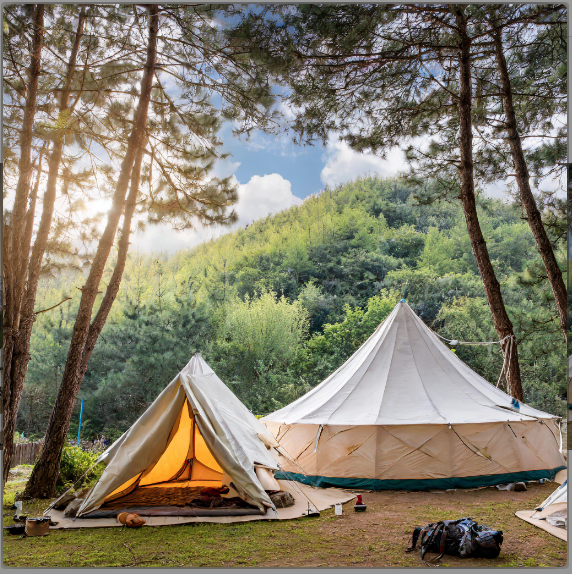
Choose a campsite with proper rainwater drainage to avoid waking up in a puddle. Be mindful of potential hazards like falling branches or trees due to increased wind during storms.
The Beauty of a Tarp
Carry a tarp and paracord to create a dry cooking and eating area. Use the tarp to set up your tent without exposing it to rain, and as a backup for a subpar rain fly.
Airing Out Hiking Clothes Overnight
Minimize the dampness of your hiking clothes by airing them out overnight. Use a line under a tarp or inside your tent, and take advantage of heat and smoke from a fire to aid in drying.
Sun Out – Dry Out
Take advantage of any sunlight during your hike to spread out wet gear and accelerate the drying process for items like socks, shoes, pants, shirts, packs, and jackets.
Join a Guided Backpacking Adventure
For a worry-free backpacking experience, consider joining a guided trip. These adventures handle permits, gear, transportation, meals, and provide a guide, allowing you to focus solely on enjoying your adventure.
Getting Dry
Hang All Your Gear
Assume that all your gear has encountered some moisture and hang everything up to dry. This includes your sleeping bag, tent, rain fly, tent footprint, bag, and clothing. Consider washing dirty clothes immediately.
Care for Your Footwear
Air out your shoes or boots in a breezy spot or sunlight. Inspect them for damage and apply a waterproofing treatment if necessary.
Hold the Mold, Please
Drying your gear immediately is crucial to prevent mold growth. Mold can quickly ruin your equipment, leading to unpleasant odors and potential waterproofing issues.
After a rainy hike, resist the temptation to relax immediately. Prioritize drying your gear to ensure its longevity and maintain a pleasant hiking experience in the future.
Conclusion
Armed with this comprehensive guide, you’re ready to tackle hiking in the rain with confidence. From early preparation to gear selection, trail safety, and proper drying techniques, you now have the knowledge to turn any rainy day into a memorable and enjoyable adventure. So, embrace the rain, have fun, and stay safe out there!