As a camper, your safety and well-being are paramount, and it’s crucial to ensure that your campsite adheres to specific legal standards outlined in the Occupational Safety and Health Administration (OSHA) regulations. These regulations cover various aspects of camp facilities, including site selection, shelter requirements, water supply, toilet facilities, sewage disposal, and more. To create a safe and compliant campsite, follow these guidelines:
Site Selection and Maintenance (1910.142(a)):
Campsites must be adequately drained and located at least 200 feet away from swamps, pools, sinkholes, or other water collections.
The drainage system should not pose a threat to domestic or public water supplies.
Camp areas must be graded, ditched, and free from depressions that may lead to water-related issues.
Camp Shelter Requirements (1910.142(b)):
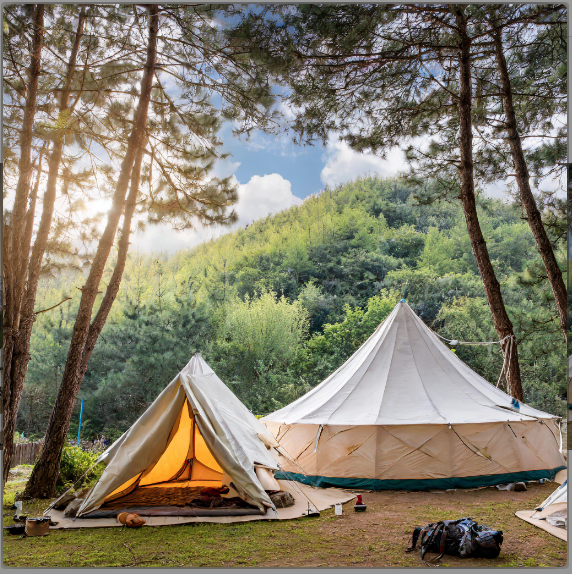
Shelters must provide protection against the elements.
Sleeping quarters should have at least 50 square feet of floor space per occupant with a minimum 7-foot ceiling.
Beds and storage facilities must meet specific spacing and elevation requirements.
Windows and exterior openings should be properly screened for ventilation.
Water Supply (1910.142(c)):
Camps must have an approved water supply capable of delivering 35 gallons per person per day.
Distribution lines should provide water at normal operating pressures to all fixtures.
Drinking fountains should be provided based on the camp’s occupancy, and common drinking cups are prohibited.
Toilet Facilities (1910.142(d)):
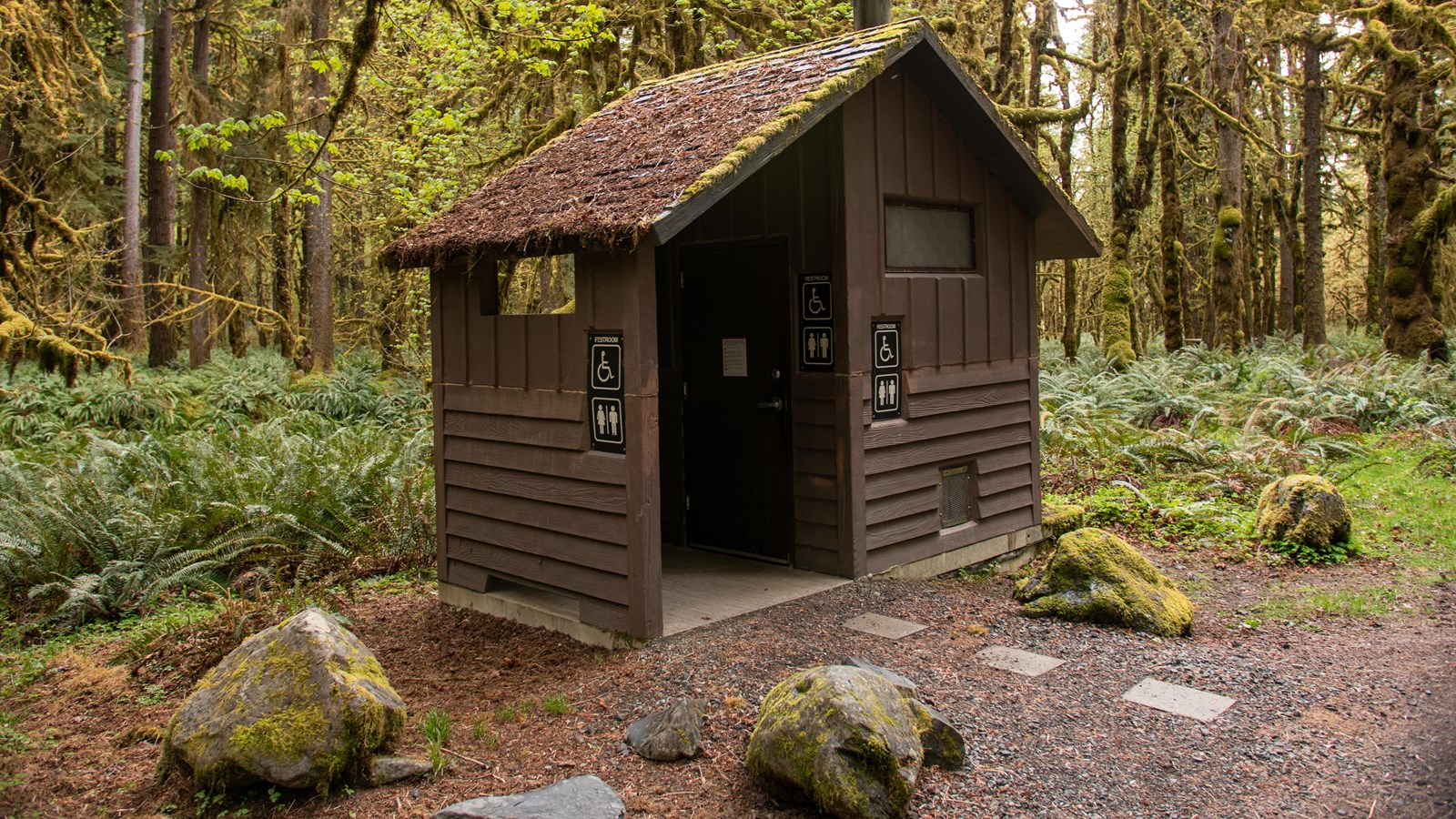
Adequate toilet facilities must be provided and located within specified distances from sleeping rooms.
Separate toilet rooms for each sex are required in shared facilities.
Facilities must be well-ventilated, adequately lit, and supplied with toilet paper.
Regular cleaning and maintenance are essential.
Sewage Disposal (1910.142(e)):
Public sewer connections are required where available.
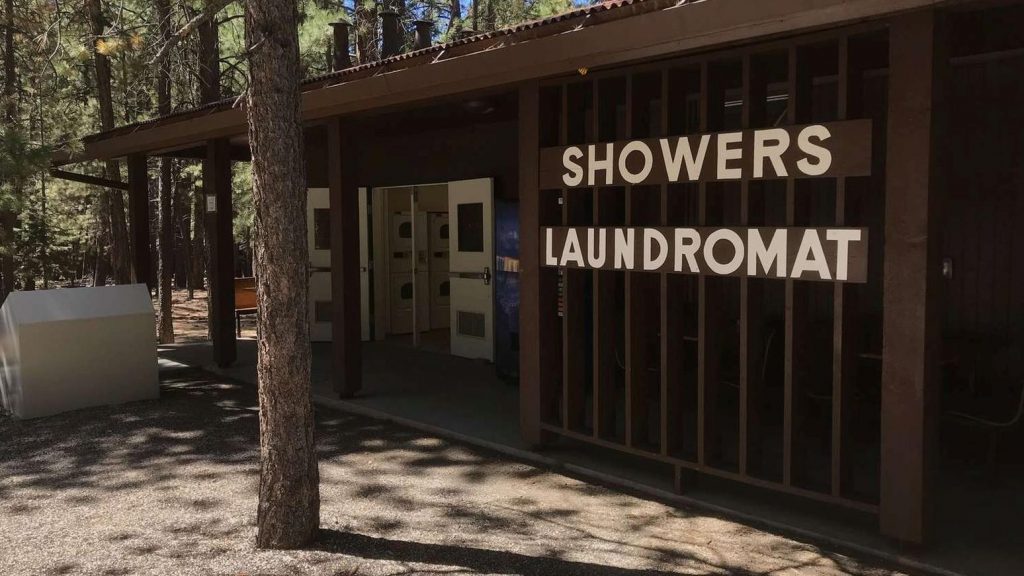
Laundry, Handwashing, and Bathing Facilities (1910.142(f)):
Adequate facilities must be provided based on specified ratios.
Floors should be smooth and impervious to moisture, with proper drainage.
Hot and cold running water is necessary for bathing and laundry.
Facilities must be kept clean and equipped for drying clothes.
Lighting (1910.142(g)):
Habitable rooms must be equipped with lighting fixtures and convenient outlets.
Refuse Disposal (1910.142(h)):
Approved containers must be provided for garbage storage within specified distances from shelters.
Containers should be fly-tight, rodent-tight, and kept clean.
Construction and Operation of Kitchens, Dining Halls, and Feeding Facilities (1910.142(i)):
Food handling facilities must comply with sanitation ordinances.
Kitchens and dining halls should be separate from living quarters.
Insect and Rodent Control (1910.142(j)):
Effective measures must be taken to prevent infestation and harborage of pests.
First Aid (1910.142(k)):
Adequate first aid facilities, approved by health authorities, must be available at all times.
Reporting Communicable Disease (1910.142(l)):
The camp superintendent is responsible for reporting individuals with communicable diseases to the local health officer promptly.
In summary, it’s crucial to be aware of and comply with these regulations to ensure a safe and healthy camping experience. Now, let’s address your specific concerns related to your camping setup.
DIY Composting Toilet and Female Anatomy:
If using a DIY composting toilet, ensure proper containment and disposal methods.
Consider a portable camping toilet for ease of use and disposal.
Explore options like the Camco 3-gallon camp potty for convenience.
Use absorbent materials and odor reducers to maintain cleanliness.
Ensure separation of urine and feces for effective composting.
User Suggestions and Tips:
Experiment with different pee diverter designs for your DIY composting toilet.
Consider fold-up bucket options, commode liners, and absorbent pads for convenience.
Explore alternatives like the “pee jar” for compact and odor-controlled urine disposal.
Evaluate chemically treated toilets for minimal odor and easy disposal.
Look into portable cassette toilets or chemical toilets for a more convenient solution.
Remember, personal preferences and needs vary, so choose a camping toilet solution that aligns with your comfort, convenience, and environmental considerations. Stay safe and enjoy your camping adventures!