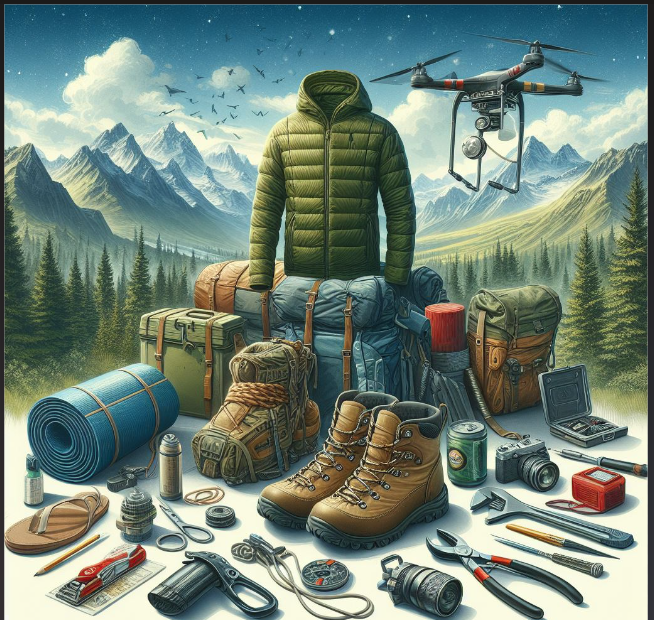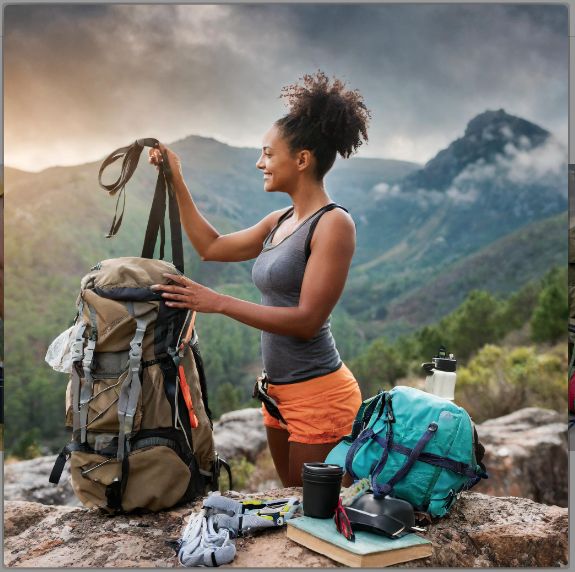
Upon completing a hike, your thoughts likely revolve around a refreshing shower, a hearty meal, and the comfort of a real bed. However, lingering in your subconscious might be the reluctance to deal with the aftermath—your gear.
Having been in that weary state myself, I understand the temptation to let your backpack languish while you prioritize recovery. Yet, the longer your used gear remains compacted and dirty, the more it risks developing odors and, in some cases, sustaining damage.
If you’ve navigated your way to this article, kudos to you for taking the initial steps toward better gear care post-trip. Let’s delve into:
Essential Steps for Gear Maintenance Finding the Motivation to Tend to Your Gear Gear Maintenance: 4 Essential Steps Different gear demands different maintenance, but here are general steps to uphold the longevity of all your equipment.
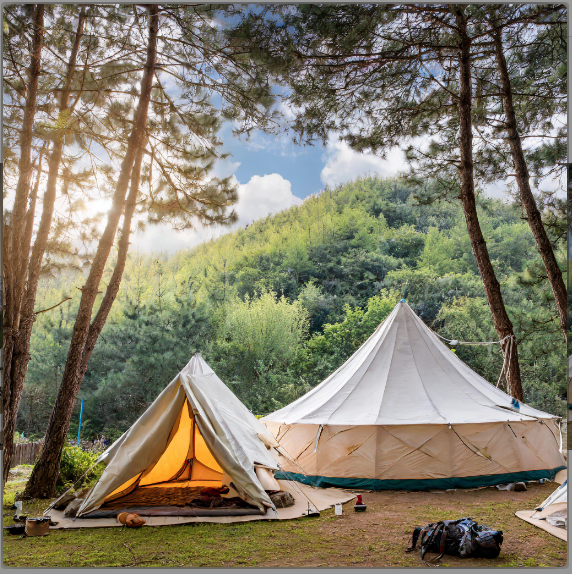
- Thoroughly Dry Everything Even if your hike was rain-free, your gear likely accumulated moisture from condensation, sweat, or dew. To prevent mold and mildew, ensure all items are completely dried before storage. Hang your tent and footprint, shifting them for optimal airflow. Open valves on water filters, bottles, and sleeping pads, leaving them to dry for a day or two. Empty your pack and hang it to dry, assessing each item for further drying or immediate washing if necessary.
- Clean Your Gear After Each Trip The sweat, grime, and dirt accumulated on the trail can impact your gear over time. Address this by brushing off dirt and wiping tougher cases with a damp cloth as you unpack. Follow care instructions for clothing, sleeping bags, rain gear, and other items to maintain their quality.
- Store Your Gear Properly Choose a cool, dry place away from direct sunlight to store your gear. Avoid moisture-prone areas to prevent mold and mildew. Most gear benefits from loose storage; for example, store your sleeping bag in a breathable bag instead of its stuff sack. If applicable, follow care instructions for inflatable sleeping pads.
- Inspect Your Gear for Repairs As you unpack, take note of any items in need of repair. Address issues promptly instead of waiting for your next trip. Order missing tent stakes, patch tears, replace worn-out components, and attend to maintenance tasks like refreshing waterproof coatings or testing water filters.
5 Tips for Finding Motivation to Care for Your Gear Knowing what needs to be done is one thing, but motivating yourself after a tiring hike is another challenge. Here are some ideas to inspire timely gear care:
- Adopt the “Shower Rule” If a hot shower is your top priority post-hike, make it contingent on dealing with your gear first. Tell yourself, “No shower until all my gear is drying or properly sanitized.” This simple rule can be surprisingly effective.
- Embrace a Gear-Based Affirmation Transform your habits by adopting a new identity. Instead of seeing yourself as someone who neglects gear care, affirm your commitment to being someone who takes care of their gear. State this affirmation aloud to reinforce your dedication.
- Turn Gear Care into a Party If you hiked with a friend, turn the post-hike gear tasks into a party. Play music, reminisce about the trip, and keep each other motivated. Having a companion adds a fun element to completing chores.
- Reward Yourself with Treats Similar to the shower rule, use post-hike treats as incentives. Remind yourself of the pizza waiting for you or indulge in some ice cream as a reward for reaching a gear care milestone.
- Plan Ahead for Gear Care Remove friction from the unpacking process by preparing in advance. Know where you’ll dry your gear, have a broom for cleanup, and ensure you have supplies like laundry detergent and DWR coating ready. Address potential pain points before they become obstacles.
By taking care of your gear promptly, you not only preserve your investments but also set the stage for future adventures. We hope these tips for gear care and motivation contribute to keeping your equipment in excellent condition. If you found this helpful, explore more resources on our Light Feet blog.