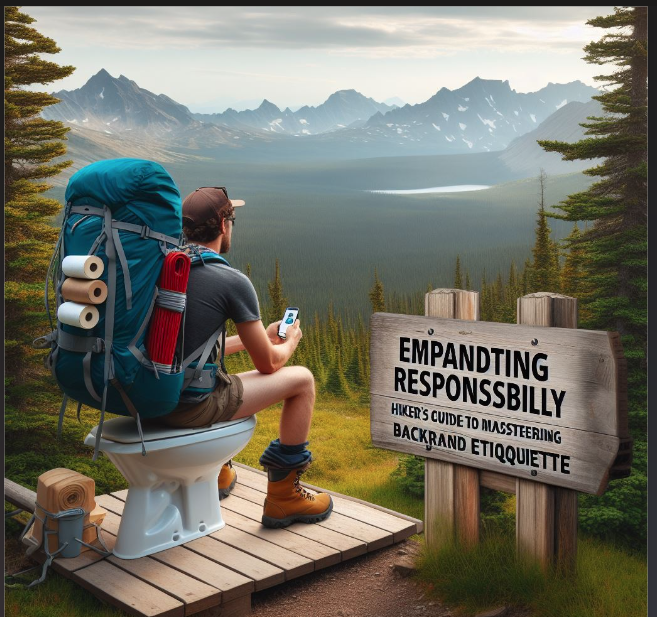
Embarking on an outdoor adventure is a thrilling journey into the heart of Mother Nature, but with that excitement comes a crucial responsibility, especially when nature calls. In this guide, I’ll delve into the wisdom shared by Hikers, a recreation ecology experts, shedding light on the dos and don’ts of responsible waste disposal in the great outdoors.
Hikers advocate for a hands-on approach to mitigate the human waste problem. The technique involves venturing 200 feet away from campsites or trails, digging a 6- to 8-inch hole, conducting business, and then diligently backfilling. However, the challenge lies in managing toilet paper, which tends to resurface. Hikers suggest using a stick to push toilet paper to the bottom of the hole, allowing for decomposition within a year.
Highlighting the importance of diversifying bathroom locations, Hikers advise against concentrating waste in specific spots that can emit unpleasant odors and attract flies. The 200-foot rule becomes a guiding principle, urging hikers to choose different locations for their bathroom breaks to avoid environmental hazards.
Dispelling myths about urine, Hikers clarify that it is sterile and environmentally safe. They recommend aiming for rocks instead of dousing the underbrush, which can attract ungulates seeking salts and nutrients. The emphasis is on responsible disposal practices to ensure a minimal impact on the surrounding environment.
Pack Out Menstrual Products, Period: Addressing the specific needs of backpackers who menstruate, Hikers advocate for the responsible disposal of menstrual products. Plastic liners and perfumes in hygiene products necessitate packing them out in sealable bags, emphasizing the importance of proper waste management to avoid environmental harm.
Exploring the challenges of waste disposal in diverse environments, Hikers discuss scenarios where waste won’t decompose, such as in deserts or on rocky peaks. In such cases, hikers are advised to pack out waste and toilet paper, maintaining a commitment to Leave No Trace principles.
High-Altitude Solutions: Reflecting on the removal of toilets from high-altitude areas like the Grand Teton and Mt. Whitney, Hikers advocate for sustainable solutions such as latrines and helicopter evacuations of waste. While acknowledging the associated costs, they highlight the success of above-ground “moldering privies,” which efficiently decompose waste in a way reminiscent of nature’s own processes.
Conclusion: As trailblazers of the great outdoors, we carry a shared responsibility to preserve the pristine beauty of nature. Hikers’ insights serve as a valuable guide, ensuring that each step on the trail is accompanied by a conscientious approach to waste disposal. Mastering the art of backcountry bathroom etiquette is not just a necessity but a commitment to the well-being of the environment we all cherish.