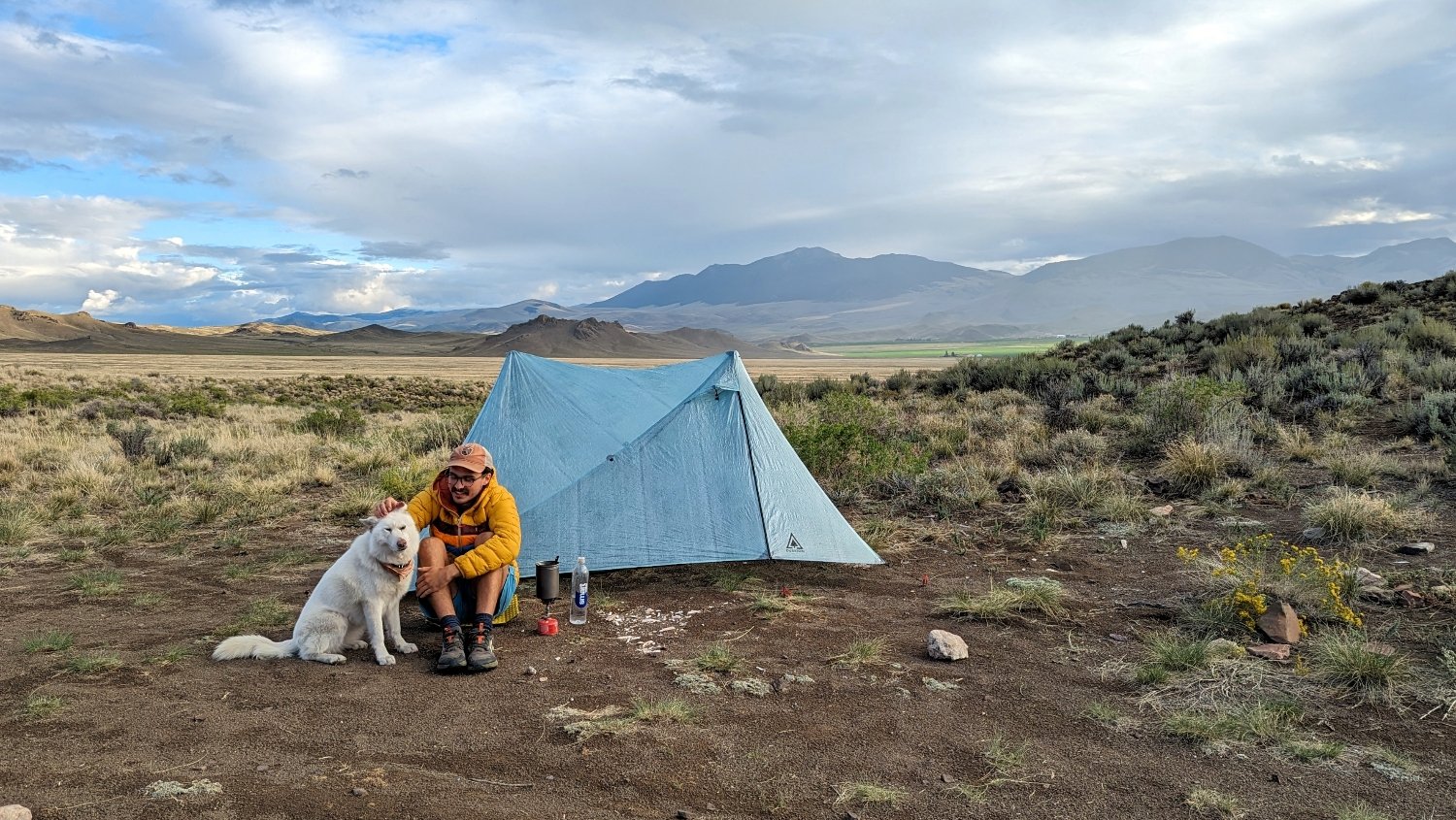
Exploring the X-Mid Pro 2: A Comprehensive Review
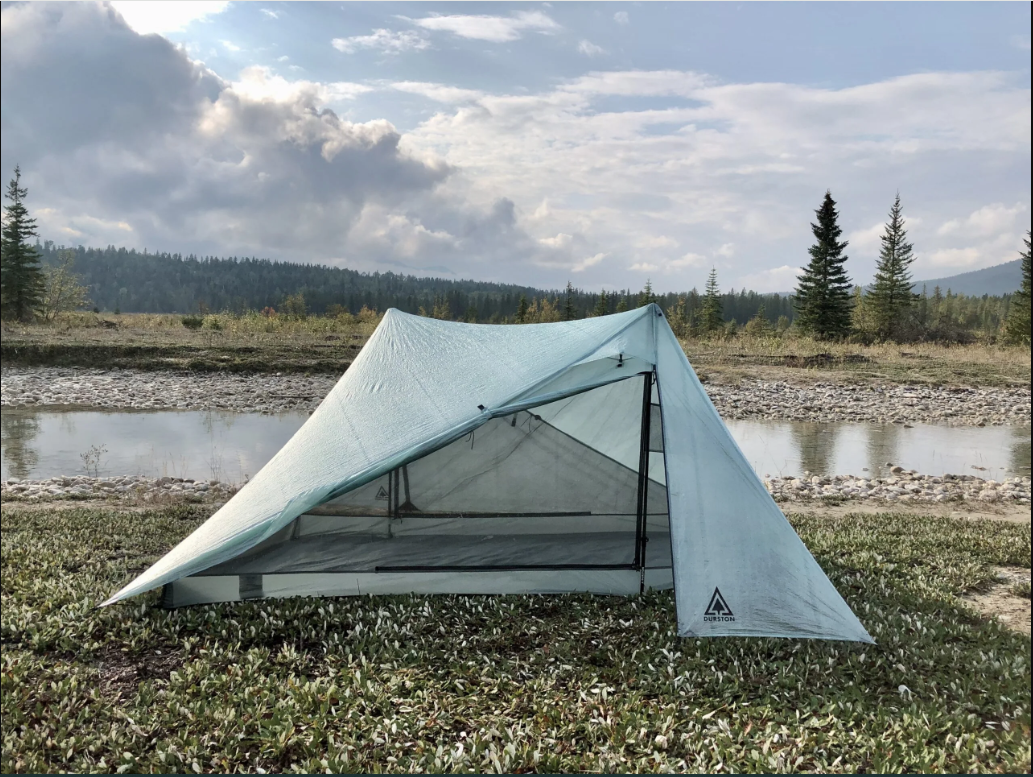
If you’re a part of the Ultralight community, chances are you’ve heard about the popularity of Durston’s tents. Intrigued by the hype surrounding the X-Mid Pro 2, I decided to dive in and experience it for myself. While many users have raved about its performance, my personal exploration uncovered some aspects that didn’t quite align with the widespread acclaim. Let’s delve into the design intricacies and areas where I felt there’s room for improvement.
The Good:
- Spacious Interior:
Undoubtedly, the X-Mid Pro 2 boasts an impressively roomy interior. In my comparison with similar tents like the Zpacks Duplex and the Tarptent Stratospire Li, the X-Mid Pro 2 outshone in terms of space. Even in comparison to a more traditional tent like the MSR Hubba 2p, it held its own. - Bathtub Floor:
One standout feature was the bathtub floor, which stretched out almost perfectly at the corners. This is in contrast to the challenges faced with other tents, like the Tarptent and Zpacks, where achieving a square and neat floor setup proved difficult.
The Not-So-Good:
- Bathtub Floor Material:
Here’s where my first concern surfaced. Despite the X-Mid Pro 2 being predominantly made of Dyneema Composite Fabric (DCF), the floor is constructed from sil-nylon. This raised eyebrows considering both the Duplex and Stratospire Li have fully DCF floors. The use of a less expensive material, without a reduction in tent price, left me questioning the choice. - Short Bathtub Floor Sides:
The sides of the bathtub floor struck me as notably short, rising only around 3-4 inches compared to competitors with 6-inch sides. This raised concerns about wind-driven dirt entering the tent. While the full-length doors could potentially compensate for this, a possible solution could be offering a solid interior option in the Pro series to cater to those who prioritize a cleaner interior. - Tie-Outs Design:
The tent’s tie-outs presented another area of contention. Four were traditional guy-lines, while the remaining four were short, stretchy cord loops resembling hair ties. This included the ones holding out the doors. Adding extra guy lines became a necessity to ensure proper staking out. A preference for traditional guy lines across all eight sites, as seen in most tents, would have been more reassuring. - Wind Resistance:
In terms of weather resistance, the X-Mid Pro 2 falls between the Duplex and Stratospire Li. While it improves wind resistance with offset tent poles, it retains two large panels susceptible to wind impact. The configuration of these panels, especially the larger door panel, doesn’t offer the same level of wind versatility as the Stratospire Li. - Wind Impact on Panels:
When wind hit the large panel, it pushed it inward, resembling an issue noted in the Duplex. Although the tent remained sturdy due to proper staking, the panels blowing into the sleeping space wasn’t an ideal scenario. This was less noticeable in the Stratospire Li.
In Conclusion:
To sum it up, the X-Mid Pro 2 has some noteworthy flaws, including the choice of floor material, short bathtub floor sides, tie-outs design, and wind resistance compared to its counterparts. While the tent excels in interior space, improvements in these aspects could elevate it to the pinnacle of the ultralight tent market. As it stands, the Tarptent’s Stratospire Li, in my opinion, still takes the lead for the best super-light, fully enclosed, and relatively weather-resistant trekking pole tent. However, with a few strategic upgrades, the X-Mid Pro has the potential to claim the title of the best tent on the market.