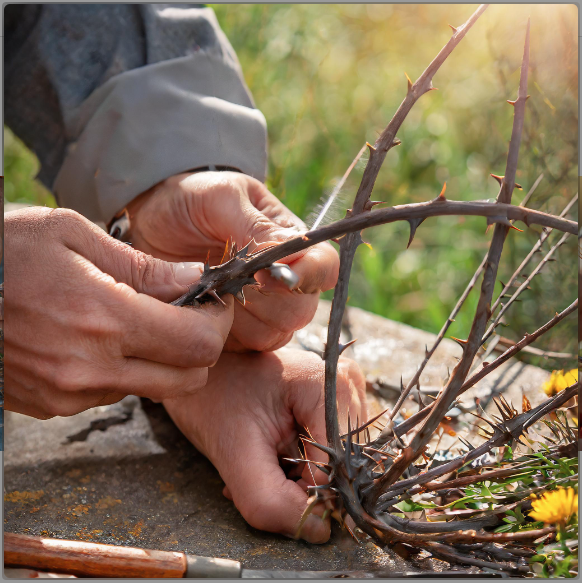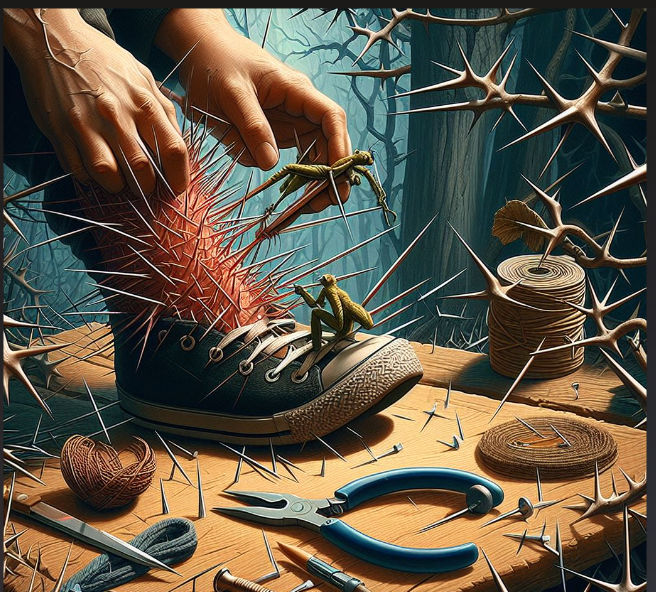
Nature can be unforgiving, and encounters with thorns, splinters, and prickly objects are inevitable when you’re out exploring. In this guide, discover effective methods for removing and treating various puncture wounds, ensuring you’re well-prepared to navigate the challenges of the trail.
- How to Treat a Thorn Puncture: What You’ll Need
- Stock your first aid kit with essentials such as small tweezers, a multi-tool with needle-nose pliers, a sharp-bladed pocket knife, a lighter for disinfection, saline wound wash, antibiotic ointment, and sterile adhesive bandages.
- How to Disinfect Your First Aid Gear When You’re Backpacking
- Explore methods for disinfecting instruments, including using fire, boiling, or disinfectants like isopropyl alcohol or iodine.
- How to Get a Splinter or Thorn Out
- Learn the step-by-step process of safely removing splinters or thorns, including using a headlamp for visibility, tweezers or pliers for extraction, and the importance of proper technique.
- Address common questions: Do I have to remove a splinter? What if a piece remains under the skin?
- How to Treat a Puncture Wound When You’re Hiking
- After removing the splinter, clean the wound thoroughly with soap and water or saline, and apply antibiotics and a sterile adhesive bandage to prevent infection.
- Address concerns about tetanus and its symptoms, emphasizing the importance of seeking medical attention if necessary.
- How to Remove Cactus Spines
- Discover an efficient method involving white glue or rubber cement to remove cactus spines with minimal discomfort.
- How to Remove Porcupine Quills
- Understand the urgency of removing porcupine quills promptly and the potential complications if broken under the skin. Use pliers or tweezers to carefully extract them.
- What to Do If a Plant Thorn Punctures a Joint
- Exercise caution around thorny plants to avoid septic arthritis. Seek medical attention if joint symptoms such as swelling, redness, stiffness, or tenderness occur.
Conclusion: Armed with these tools and techniques, you can confidently handle various prickly situations in the great outdoors, ensuring a safer and more enjoyable adventure.