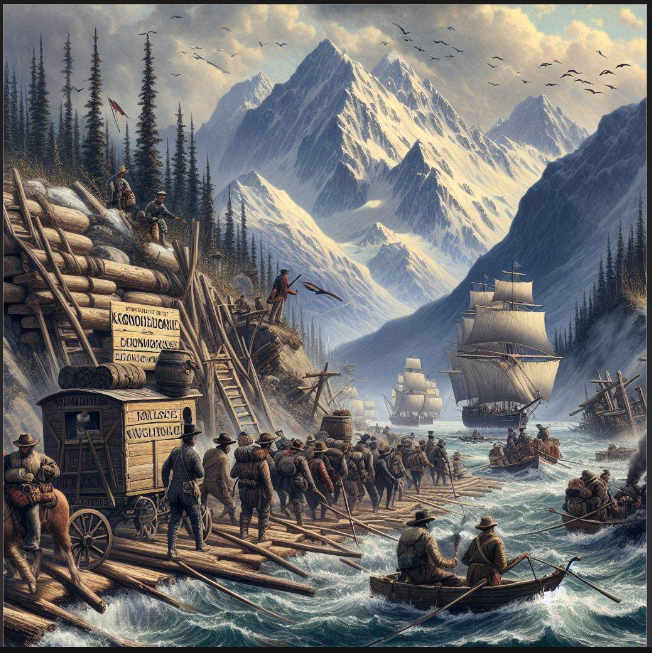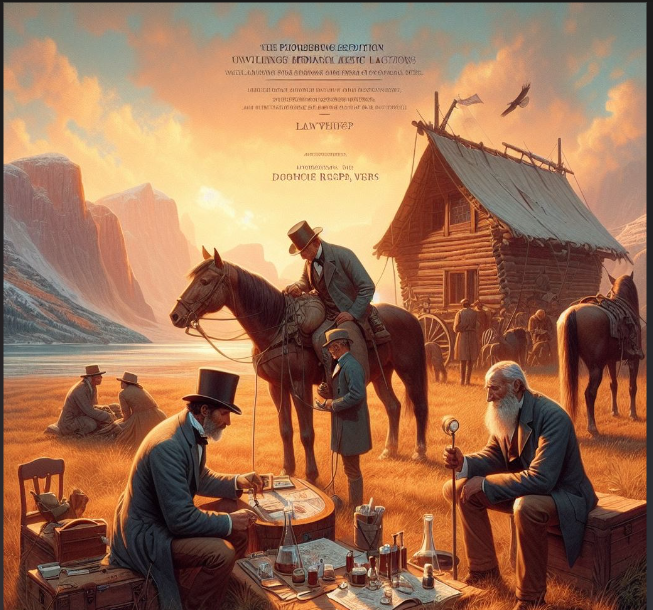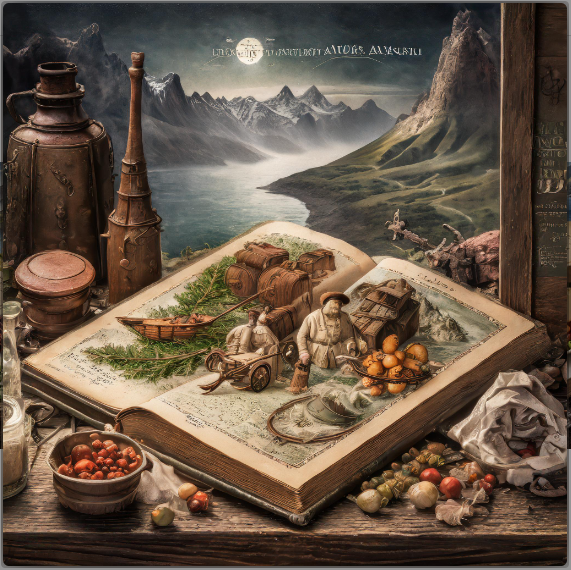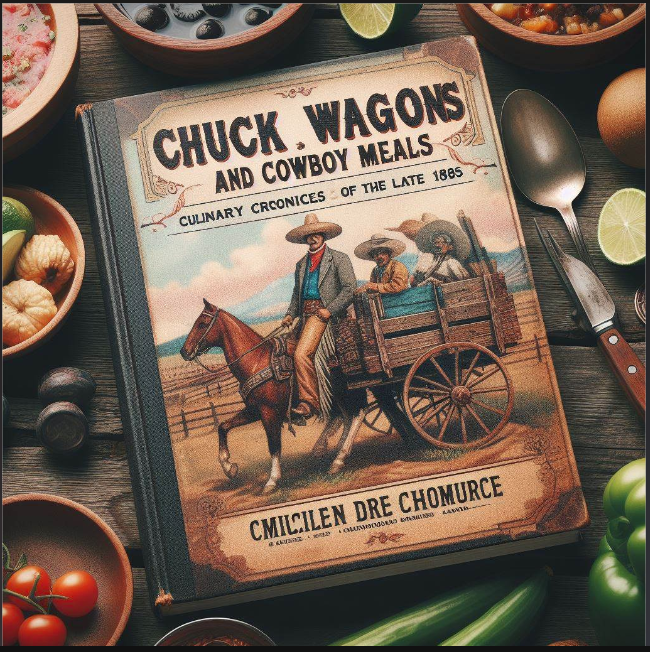
The late 19th century marked a transformative era in American history, particularly in the West, where the cowboy way of life flourished. Cowboys, often driving cattle across vast landscapes, relied on chuck wagons for sustenance during their arduous journeys. These chuck wagons were equipped with essential provisions, and meals were cooked using cast iron cookware over an open fire. This article delves into the fascinating world of chuck wagons, cowboy meals, and the caloric needs of these rugged trailblazers, along with a few simple cowboy meal recipes.
Chuck Wagons and Their Significance:
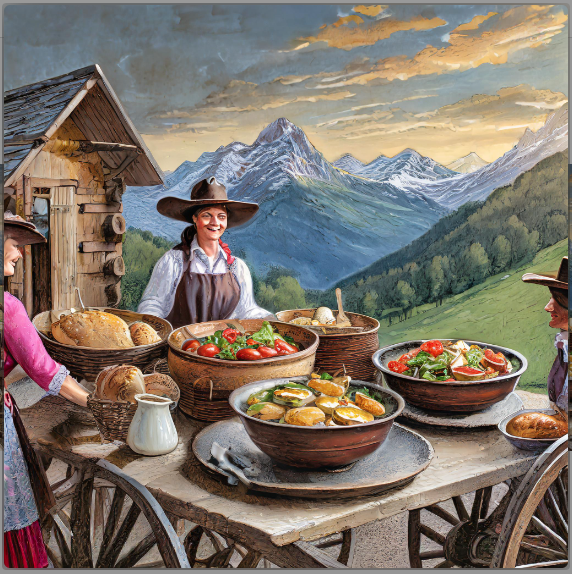
Chuck wagons were mobile kitchens that played a pivotal role in supporting cattle drives and trailblazing expeditions. Invented by Charles Goodnight in the 1860s, these wagons were equipped with sturdy and versatile cast iron cookware, providing cowboys with the means to prepare hearty meals on the open range. Chuck wagons typically carried essential supplies such as beans, coffee, flour, bacon, salted meats, and dried fruits.
Caloric Demands of Cowboys in the Late 1800s:
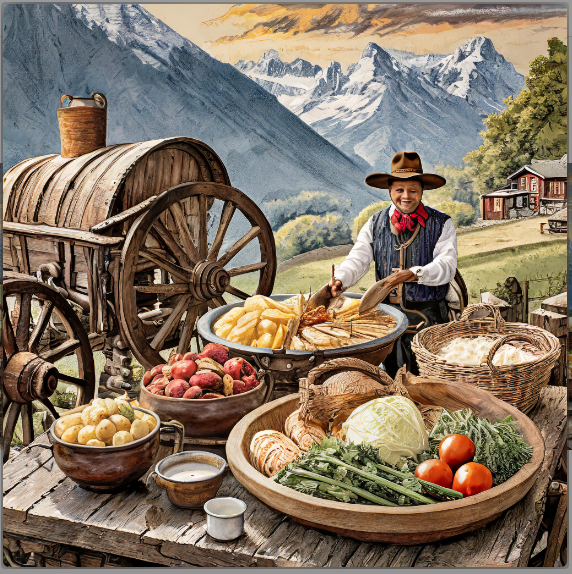
The life of a cowboy was physically demanding, requiring long hours in the saddle and strenuous manual labor. As a result, the caloric needs of cowboys were substantial. Historical records suggest that cowboys could consume anywhere from 3,000 to 4,000 calories per day to sustain their energy levels and maintain their strength during grueling cattle drives.
Cowboy Meal Staples:
- Beans:
- Soaked overnight and slow-cooked in cast iron pots, beans were a staple in cowboy diets. They provided a good source of protein and sustained energy over long periods.
- Bacon and Salted Meats:
- High in calories and protein, bacon and salted meats were crucial for the cowboy’s diet. They could be fried in cast iron skillets over an open flame for a satisfying and hearty meal.
- Biscuits:
- Made with flour, baking powder, salt, and water or milk, biscuits were a quick and easy bread option for cowboys. They were often baked in cast iron Dutch ovens.
- Coffee:
- A cowboy’s day often started with a strong cup of coffee brewed in a cowboy coffee pot. Coffee was not only a stimulant but also a comforting beverage around the campfire.
Simple Cowboy Meal Recipes:
- Trailside Beans:
- Ingredients: Dried beans, bacon, salt, pepper.
- Method: Soak beans overnight. Cook with bacon, salt, and pepper in a cast iron pot over low heat until beans are tender.
- Cowboy Biscuits:
- Ingredients: Flour, baking powder, salt, water or milk.
- Method: Mix dry ingredients, add water or milk, and knead. Flatten dough and cut into biscuits. Bake in a cast iron Dutch oven until golden.
- Range Coffee:
- Ingredients: Coarsely ground coffee, water.
- Method: Boil water in a cowboy coffee pot, add coffee grounds, and let it simmer. Strain the coffee into cups for a strong and invigorating brew.
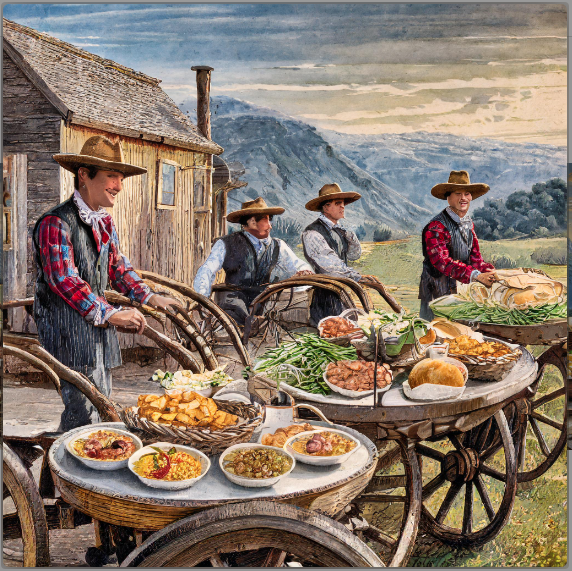
The amount of food carried on a chuck wagon during an average journey in the late 1800s varied based on the duration and destination of the cattle drive or trailblazing expedition. Chuck wagons were essentially mobile kitchens that served as a lifeline for cowboys, providing them with sustenance during their arduous journeys across the rugged terrain of the American West.
- Duration of the Journey:
- Short Drives: For shorter cattle drives that lasted a few days to a couple of weeks, chuck wagons carried a sufficient amount of provisions to meet the immediate needs of the cowboys.
- Long Drives: Extended cattle drives covering several weeks or even months required more substantial provisions to sustain the cowboys throughout the journey.
- Essential Provisions:
- Staples: Chuck wagons were stocked with staple ingredients such as flour, beans, coffee, bacon, salted meats, dried fruits, and sugar.
- Grains: Cornmeal and rice were common additions to the wagon’s supplies, providing variety in the cowboy diet.
- Condiments: Salt, pepper, and occasionally spices were carried to enhance the flavor of the meals prepared on the trail.
- Beverages: Coffee was a crucial part of the cowboy’s daily routine, and provisions included ample amounts of coffee beans. Some wagons also carried tea.
- Storage and Preservation:
- Dried and Preserved Foods: Due to the lack of refrigeration, chuck wagons relied heavily on dried and preserved foods that could withstand the rigors of the journey without spoiling.
- Barrels and Boxes: Provisions were often stored in barrels and wooden boxes to protect them from the elements and keep them organized.
- Meal Planning:
- Nutritional Considerations: Chuck wagon cooks were adept at planning meals that provided the necessary nutrients and energy required by the cowboys. This included a balance of proteins, carbohydrates, and fats.
- Adaptability: Meals were designed to be versatile, allowing the cooks to adapt to the resources available along the trail. For example, beans could be prepared in various ways, and bacon could be used in multiple dishes.
- Quantity:
- Caloric Requirements: Recognizing the physically demanding nature of cowboy work, chuck wagons aimed to carry enough food to meet the daily caloric needs of the cowboys, which could range from 3,000 to 4,000 calories.
In summary, the amount of food carried on a chuck wagon for an average journey in the late 1800s was carefully planned to sustain the cowboys throughout their challenging expeditions. The provisions were not only about quantity but also about providing a well-balanced and hearty diet that fueled the energy demands of the rugged trailblazers of the American West. The chuck wagons and cowboy meals of the late 1800s encapsulate a rugged and resourceful way of life. With cast iron cookware, simple ingredients, and the open flame, cowboys sustained themselves through challenging times, leaving behind a culinary legacy that continues to capture the imagination of those intrigued by the American frontier.