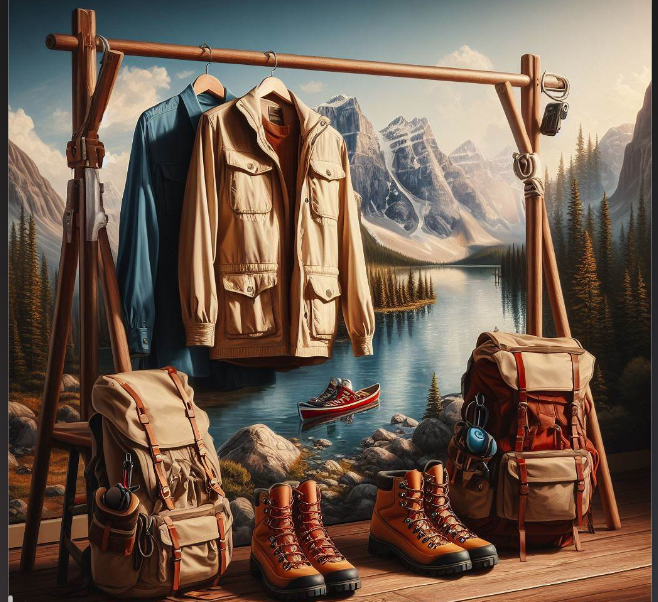
The significance of appropriate clothing in shaping your hiking experience cannot be overstated. Beyond mere comfort, the right gear can ensure your safety, especially when faced with varying weather conditions. This article delves into the decision-making process between opting for hiking shorts or hiking pants, exploring the key features and considerations for each.
Table Of Contents:
- Hiking Pants
- Hiking Shorts
- Hiking Shorts vs Hiking Pants: Making A Decision
Hiking Pants: When it comes to hiking pants versus shorts with leggings, individual preferences play a significant role. The ideal long pants for hiking should prioritize durability, comfort, and protection. Materials such as quick-drying, moisture-wicking, and breathable synthetics like nylon, polyester, or spandex blends are favored for their resilience and water resistance.
Given the rough terrains often encountered during hiking, durability is paramount. Pants made from ripstop fabrics, capable of withstanding abrasions and tears, provide essential protection, especially in bushwacking scenarios. Comfort and mobility are addressed through features like crotch gussets and articulated knees, ensuring ease of movement. Pockets add convenience, offering ample storage without the flapping associated with shorts.
Long hiking pants provide extended protection against hazardous plants, rough terrain, and sun exposure. They are also effective in safeguarding against biting insects and ticks. Styles such as cargo pants and convertible pants, which can transform into shorts, enhance versatility.
It’s cautioned against wearing jeans on serious hikes due to their cotton composition, which is less suitable for strenuous activities.

Hiking Shorts: Similar to hiking pants, the material of hiking shorts is crucial, favoring quick-drying, moisture-wicking, and breathable fabrics like nylon, polyester, or spandex blends. While offering comfort, shorts expose more of the legs to terrain hazards and pests like mosquitoes and ticks.
Good hiking shorts often have a longer inseam for increased protection without hindering movement. Pockets, especially in cargo shorts, provide storage, though they may be shallower than those in pants. Solutions like using a backpack hip belt or a lightweight fanny pack help address this limitation.
Hiking Shorts With Leggings or Hiking Tights: For those desiring the protective elements of hiking pants without the full coverage, pairing shorts with leggings or hiking tights is a viable option. This combination offers freedom of movement, ventilation, and reduced weight, making it popular among ultralight hikers and trail runners.
Choosing the right leggings or tights for the season is crucial to ensure comfort and suitability.
Hiking Shorts vs Hiking Pants: Making A Decision: Ultimately, the choice between hiking pants and shorts boils down to comfort and safety. Factors like temperature, humidity, and terrain should guide your decision. While pants offer sun protection and are suitable for cooler weather, shorts excel in ventilation and comfort during hot conditions.
Considerations such as coverage, pockets, versatility, insulation, warmth, and additional protection against insects and plants should influence your choice. Whether you prefer hiking pants, shorts, or a convertible pants/shorts combo, prioritize your well-being and comfort on the trail.