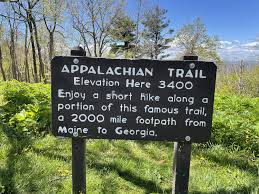
Introduction: The Appalachian Trail (AT) offers a unique hiking experience, but understanding the nuances of shelter usage and dispersed camping is crucial for an enjoyable journey. This guide aims to clarify the principles of shelter space allocation and provide insights into legal dispersed camping along the trail.
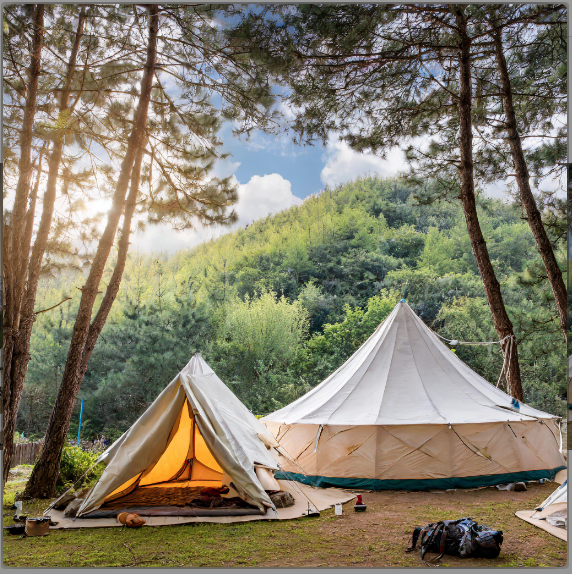
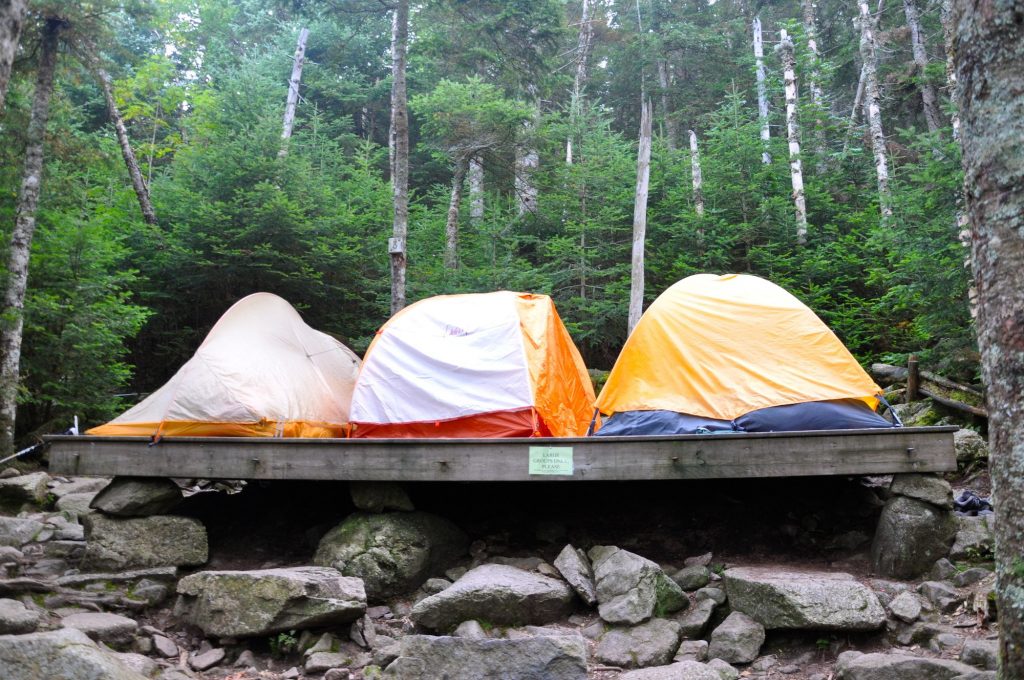
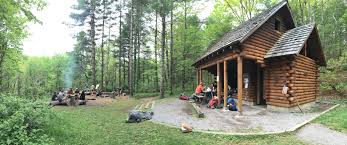
- Shelter Space Allocation: On the AT, shelter spaces operate on a first-come, first-served basis. Thru-hikers do not receive priority, and any hiker, whether thru or section hiker, must secure a spot based on arrival time. It’s important to dismiss any unearned sense of entitlement, as complaining about shelter space availability is unwarranted. Thru-hikers arriving late to a full shelter should be prepared to set up alternative accommodations, such as a tent or hammock.

1.1 Exceptions: The Great Smoky Mountains National Park (GSMNP) is an exception, where shelters can be reserved. Thru-hikers should be aware of the specific regulations in the GSMNP regarding shelter usage.
- Dispersed Camping: Dispersed camping, distinct from stealth camping, is legal along the majority of the AT. Guides and online resources can provide information on allowed dispersed camping areas. Thru-hikers, section hikers, and backpackers should be familiar with the rules for each section of the trail.
- Understanding Stealth vs. Dispersed Camping: It’s essential to distinguish between stealth camping and dispersed camping. Stealth camping typically implies hiding a campsite due to legal restrictions, while dispersed camping means camping at non-established sites without breaking the law. Unfortunately, confusion between the terms is common, so being informed about the specific regulations in each area is crucial.
- Common Practices and Experiences: Experienced hikers on the AT often engage in dispersed camping for various reasons, including solitude. Responsible campers should practice low-impact camping, leaving no trace and avoiding damage to the environment. Hikers should also be aware of designated camping areas, particularly in regions like the Smokies, Massachusetts, Maryland, and New Jersey.
- Considerations for Shelter Avoidance: Some hikers, including thru-hikers and those on a Long-Ass Section Hike (LASH), choose to avoid shelters due to potential issues like noise, mice, and crowded conditions. While there is no priority for shelter usage, consideration for fellow hikers is encouraged.
- Leave No Trace: Regardless of camping style, adhering to Leave No Trace principles is paramount. Campers should minimize their impact on the environment, avoid cutting down trees, and refrain from creating new campsites or fire rings.
Conclusion: By understanding the principles of shelter allocation, dispersed camping, and Leave No Trace ethics, hikers can navigate the Appalachian Trail responsibly. A lot of thru hikers or people doing a LASH avoid shelters. They are filled with mice at night and the occasional rat. You put up with people getting up and down all night. There is no expectation of priority except, as noted, in GSMNP where they hikers have lower priority.
Respecting the trail’s rules ensures a positive experience for all, contributing to the preservation of this iconic long-distance hiking trail. Enjoy the trail and all it offers. It is beautiful. I start in a few days.