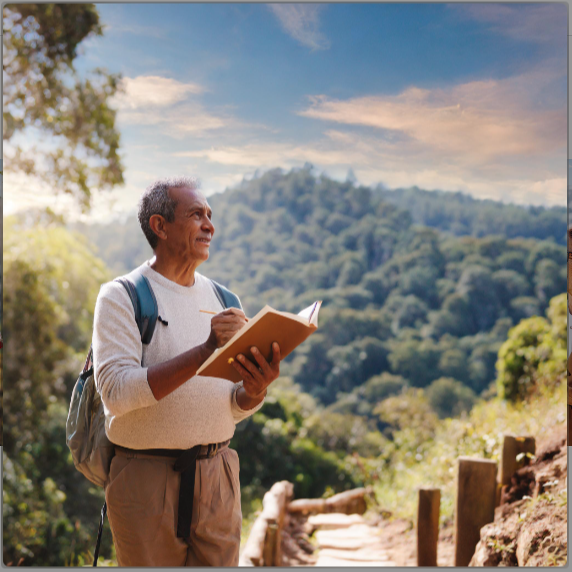
Embarking on a hiking adventure can be a thrilling experience, but seasoned hikers often rely on a wealth of practical tips and tricks to enhance their journey. In the world of outdoor enthusiasts, knowledge is shared freely, and here are some valuable insights from experienced hikers that might just make your next trek a bit smoother.
1. Cinch Straps: Opt for Visibility If you use an external frame pack and often need to lash items to the lower frame, consider the color of your cinch straps. One hiker, known as “The Cheat,” suggests avoiding black straps, as they can be challenging to see in dim light. Instead, go for brighter colors that enhance visibility, making it easier to manage your gear even in low light conditions.
2. Tyvek Footprints: A Laundry Hack The idea of using Tyvek from a construction site as a footprint or ground cloth is not new, but “LostInSpace” takes it a step further. He recommends washing the stiff Tyvek in a front-loading commercial washer at a Laundromat using hot water, without soap. This process doesn’t compromise its toughness or waterproofing but transforms it into a softer and more manageable material, akin to a bed sheet.
3. Duct Tape Identification: Claim Your Gear For hikers who utilize duct tape to fix or label items, “Tinker” shares a simple yet effective tip. Write your name on the duct tape using a marker. This way, even if you have to use the tape, you’ll know which water bottle or gear belongs to you in a shared shelter.
4. Titanium Stakes: Flag Them for Visibility Tiny titanium tent stakes are easy to lose due to their size. “Cutter” suggests tying a small flag of surveyor’s tape to each stake. This not only prevents misplacement but also makes them stand out against the natural surroundings, facilitating quick retrieval when striking camp.
5. Organization is Key: Always Put Things Back “Fiddlehead” emphasizes the importance of maintaining order in your pack. Develop the habit of always putting things back where they belong. This ensures that even in the dark, you can find your gear with ease, contributing to a more organized and efficient camping experience.
6. Quick Gear Check: Practice Before You Hit the Trail “Doctari” advocates for thorough gear checks before hitting the trail. Whether it’s testing your stove, flashlight, or camera, a pre-trip inspection ensures everything is in working order. Clean and seam seal gear as needed, and pay attention to details like fuel bottle connections to avoid potential issues.
7. Finding Your Way: Nature’s Compass Navigational tips come from “Turbo Joe,” who notes that if you’re a northbound hiker, the sun will always be on your right in the morning. Additionally, “Bogey” suggests a playful approach to attracting help when lost – pull out a deck of cards, play solitaire, and wait for someone to guide you back to civilization.
8. Sun as a Compass: A Handy Trick “Gargamel” shares a method for determining south using a watch. Point the smaller hand at the sun, cut the distance between 12 and the small hand in half, and you’ll find south. For those with digital watches, simulate a watch with twigs. When in doubt, consult someone with a compass.
9. Daylight Estimation: The Hand Guide To estimate remaining daylight, “Gargamel” offers a technique. Hold your arm out full length, fingers parallel to the horizon. Each finger’s thickness represents approximately 15 minutes. This method provides a rough guide for the time left, a useful tool in mountainous terrain.
10. Oatmeal in a Water Bottle
Instead of carrying a hot water bottle in your bag, consider using your water bottle for a warm meal. Fill it with oatmeal and add boiling water. The oatmeal is likely to retain heat better than a water bottle, and you won’t have to worry about a wet bag. A warm meal inside your sleeping bag provides comfort before facing the chill of the morning.
Disclaimer: This method introduces food smells to your sleeping area.
11. Hammock Engineering
For hammock enthusiasts, here are some tips:
- Always check your stove connections for leaks before lighting it.
- When eating, use a wide-mouth bottle and a long spoon to minimize risks.
- In warm weather, opt for Gatorade bottles instead of Nalgene to avoid brittleness and cracking.
12. Lighter Tricks
Keep track of your lighter by marking it with tape or attaching it to your food bag drawstring. A functional lighter is a valuable tool on the trail.
13. Health, Safety, and Hygiene
Incorporate rubbing alcohol into your hygiene routine—it helps keep odors at bay, toughens your feet, and doubles as stove fuel.
14. Wet Weather Hacks
To deal with wet socks and shoes, consider using plastic sandwich sleeves or plastic bags from a local Subway. A little wet and sweaty is better than completely soaked, and rubbing alcohol can help dry off your feet.
15. Tackling Ticks
- For tick removal, a small bottle of turpentine applied to the tick’s rear end may help it back out within seconds.
- Be cautious with matches near ticks; it could cause them to explode and leave the head in your skin.
- Using DEET on ticks after they’ve attached may cause them to vomit, potentially transmitting Lyme disease.
16. Baking Soda Multi-Uses
Baking soda is a versatile item on the trail. It serves as toothpaste, deodorant, and a polishing compound for cookware.
17. Wildlife Deterrents
Keep small animals away from your tent or food by soaking a tampon in strong-smelling aftershave and attaching it to your gear. DEET-soaked tampons on boot laces may also deter ticks.
18. General Gear Tips
- Keep your shoes from getting untied by using a strong cord lock or tying the lace ends after cinching with a cord lock.
- Use plastic clothespins to secure bandannas in place, discouraging them from lifting in the breeze.
19. Boots and Shoes Drying
Speed up the drying process by removing laces, using twigs to hold the footwear open, and angling them toward sunlight with rocks underneath.

20. Combatting “Rice Soup”
When faced with overly watery rice, a simple solution comes in the form of instant mashed potatoes. Adding a bit of this dehydrated spud magic can quickly absorb the excess water, turning your rice soup into a more palatable dish.
21. Bandana Brilliance
A bandana can be more than just a fashion accessory; it can serve as a multi-functional tool. Folding it into 16 layers provides ample protection for handling hot pots, acting as a potholder, pot lid, windscreen, trivet, or even an emergency reflector.
22. Fire Starters from Unlikely Sources
Toilet paper and olive oil or other cooking oil can make an effective fire starter. In addition, wrapping frozen meat in newspaper not only helps carry the meat but also provides fuel for starting a fire when needed.
23. Ziplock Containers for Rehydration
The new ziplock containers with screw-on lids are recommended for rehydrating food while hiking. Their convenience and reliability make them a popular choice for trail gastronomy.
24. Food Bag Throwing Caution
When throwing a food bag line over a branch, be mindful of the potential danger of the rock swinging back towards you. Opting for a lighter soda bottle instead of a rock can make the process safer and more accurate.
25. Aluminum Foil’s Versatility
A 2’x2′ square of aluminum foil proves to be a valuable addition, serving multiple purposes such as a potholder, pot lid/windscreen, insulation, trivet, or even an emergency reflector.
26. Bright Lighters and Unusual Cooking Tools
Opt for bright-colored lighters to make them easier to find. Additionally, using a brillo pad for cleaning dishes and employing unconventional items like Hershey bars inside a peanut butter jar can add a delightful twist to your trail cuisine.
27. Precision in Water Measurement
To avoid ending up with “rice soup,” mark your cooking pot with lines indicating the desired water levels for 1 cup and 2 cups. This simple measure ensures more accurate water usage during cooking.
28. Efficiency in Cooking and Battery Management
Practice cooking at home to refine your skills. Mark your fuel canister to track its usage and opt for clear lighters to easily gauge fuel levels. Standardize battery sizes for devices to simplify replacements, and prefer pencils over pens for reliability.
29. Dehydration Hacks
Experiment with dehydrated foods by adding water a few hours before your meal to eliminate the need for hot water during your break. For labeling, use paint pens instead of regular markers for items that might come into contact with alcohol or solvents.
30. Maildrop Organization:
- Pack and label each maildrop with exactly one week’s worth of food for easy tracking.
31. Consider using a bounce box for non-perishables and occasional items like maps, first aid supplies, batteries, or small gear pieces.
- Bounce Box Efficiency:
- Plan bounce box contents with fellow hikers to share costs and increase efficiency.
- Use a durable, waterproof container to protect bounce box contents during transit.
- Post Office Considerations:
- Check the opening hours of post offices or businesses where you plan to receive maildrops.
- Include a self-addressed, stamped envelope for easy item return and cost savings.
- Wildlife Regulations:
- Be aware of wildlife regulations and shipping restrictions when sending maildrops to remote locations.
- Some places may have restrictions on shipping specific items, including food.
- Strategy Reassessment:
- Periodically reassess your maildrop strategy based on changing preferences and needs during your hike.
- Preferences for certain foods or gear may evolve over time.
- Inventory Documentation:
- Keep a list of each maildrop’s contents, including expiration dates for food items.
- This helps quickly assess the box’s contents and plan accordingly on the trail.
Embarking on a long hike is a journey filled with challenges, but with the right knowledge and a touch of creativity, hikers can overcome obstacles and make the most of their outdoor experience. These tips, born from the collective wisdom of seasoned hikers, showcase the resourcefulness required to thrive on the trail.
These nuggets of wisdom from seasoned hikers are not only practical but also showcase the camaraderie and knowledge-sharing spirit within the hiking community. Whether you’re a novice or an experienced trekker, incorporating these tips into your outdoor endeavors can contribute to a safer and more enjoyable adventure.