Embarking on a trekking adventure can be an exciting yet challenging endeavor, especially for those new to the experience. Whether it’s concerns about physical fitness, mental readiness, or gear preparation, taking a step-by-step approach can help ensure you’re well-prepared for the journey ahead. In this comprehensive guide, we’ll explore key tips for both physical and mental preparation, as well as essential advice for gearing up.
Preparing Yourself Physically
- Enjoyable Exercise:
Choose activities you genuinely enjoy to make your training sessions more enjoyable and sustainable. Joining exercise groups can provide motivation and foster new connections. - Terrain and Weather Simulation:
Mimic the trekking conditions by incorporating varied terrains into your training, especially if your trek involves mountains. Hills, stairs, grass, and sand can be beneficial. Varying weather conditions will also enhance your preparation. - Proper Nutrition:
Fuel your body adequately with small, frequent meals. Focus on a well-rounded, healthy diet, especially on long training walks. Understand that your energy requirements will increase during the trek.
Preparing Yourself Mentally
- Pacing and Relaxation:
Remember, it’s not a race. Pacing yourself is crucial, especially for first-time trekkers. Trekking is about enjoying the journey, so find a comfortable pace and take in the surroundings. - Consistency and Persistence:
Maintain a consistent exercise routine in the weeks leading up to your trek. Schedule sessions at the same time each week and incorporate exercise into your daily routine. Start training early to gradually build fitness without feeling overwhelmed. - Understand Your Trip Grade:
Know the difficulty level of your trek (grading from 3 to 6) and tailor your training accordingly. Consider mixing up activities for endurance improvement.
Preparing Your Gear
- Walking Poles:
Consider using trekking poles to reduce pressure strain and body weight while walking. Poles can enhance stability and make long days on the trail more manageable. - Backpack Training:
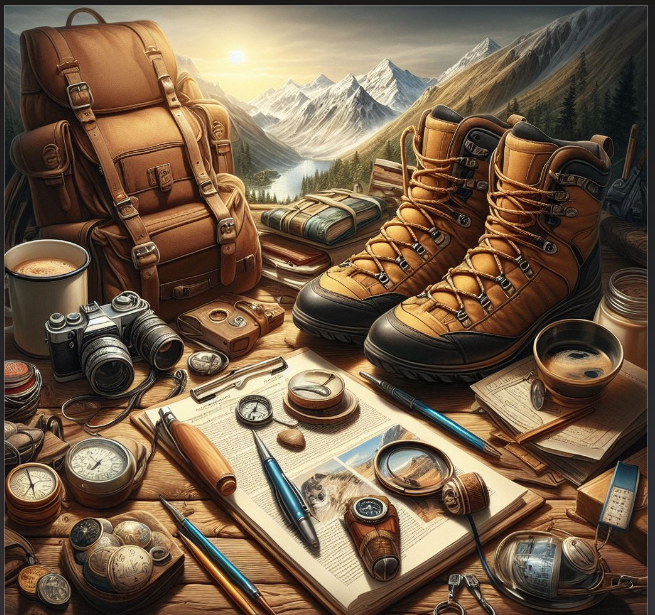
Practice walking with your backpack to ensure comfort and proper weight distribution. Choose a comfortable backpack with back support, adjustable chest and waist straps, and consider using one with a water bladder. - Footwear:
Invest in quality trekking boots with ankle support and a sturdy sole. Get fitted by an expert, and wear your boots as much as possible before the trek to break them in gradually. - Blisters Prevention:
Prevent blisters by ensuring proper shoe fit, using quality socks, keeping your feet dry, applying lubricants like Body Glide, using blister blocks and second skin, and taping pressure points.
Conclusion
Embarking on a trekking adventure is a rewarding and life-changing experience. By following these comprehensive tips for physical and mental preparation, as well as gear readiness, you’ll be well-equipped to tackle the challenges of your chosen trek. Remember, the journey is about more than reaching the destination—it’s about the experiences along the way. So, lace up your boots, embrace the adventure, and follow your dreams.