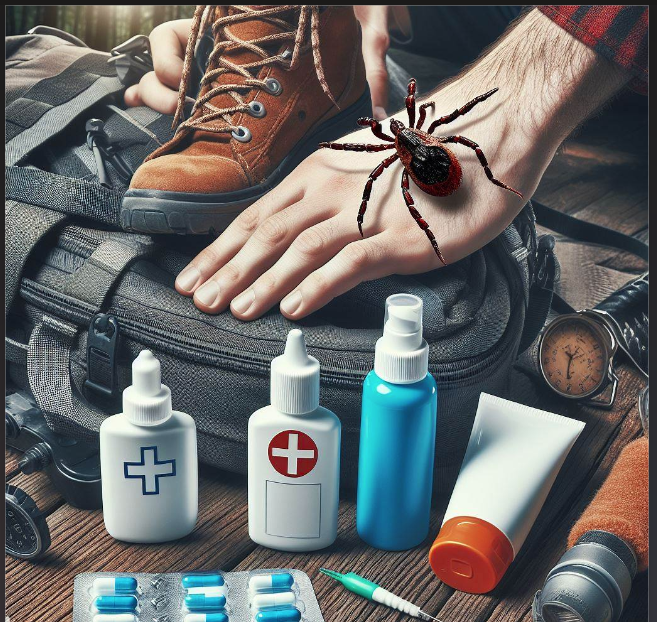
Ticks, those sneaky bloodsuckers, are notorious for carrying viruses, bacteria, and parasites. With peak tick season in full swing, it’s crucial for hikers and backpackers to be vigilant in preventing and treating tick bites. This article provides a comprehensive guide to tick management, offering ten preventative measures and advice on treating tick bites.
Ten Preventative Measures:
- Choice of Attire: Wearing appropriate clothing, including a hat, long sleeves, pants, and closed shoes, is the first line of defense. Tucking shirt into pants and pants into socks helps minimize exposure, and light-colored clothing makes it easier to spot ticks.
- Permethrin: Consider treating clothing with permethrin, available through DIY spray, factory treatment, or pre-treated options from companies like ExOfficio and RailRiders. Permethrin is effective in repelling ticks and lasts through multiple washes.
- Stick to the Trail: Walk in the middle of the trail when passing through overgrown areas, as ticks don’t jump or fly but can ambush hikers in tall grass or low vegetation.
- Take Breaks Wisely: Avoid sitting directly on the ground during breaks, especially in brushy areas.
- Use Repellent: Apply repellents like DEET, Picaridin, or Oil of lemon eucalyptus to exposed skin. Picaridin, with longer-lasting effects and no odor, is a suitable alternative to DEET.
- Regular Body Checks: Conduct regular body checks throughout the day, particularly in tick-infested areas. Prompt detection and removal reduce the risk of bites.
- Clean Your Legs: If not wearing pants, clean legs regularly to remove trail grime and make it easier to spot attached ticks.
- Check Your Backpack: Inspect your backpack during the day and thoroughly check it when setting up camp.
- Hike Out of Season: Consider hiking during cooler weather to minimize exposure to ticks. While they are less active in colder temperatures, remain cautious even when temperatures are above freezing.
- The Extra Mile: Pay extra attention to hidden areas like the scalp, armpits, groin, waist, belly button, back of the knees, and the bum crack region. Enlist the help of fellow hikers for thorough checks.
Treatment:
- Remove with Tweezers: If a tick attaches, use tweezers to pull it straight out without twisting to prevent leaving parts embedded in the skin.
- Head Breaks Off: If the tick’s head breaks off, use a sterilized needle to remove the remains.
- Clean the Bite Area: After removal, clean the bite area and your hands with soap, water, or an alcohol wipe.
- Tick-borne Illness: Watch for flu-like symptoms or a suspicious rash after a bite, as it may indicate a tick-borne illness like Lyme disease. Seek medical advice promptly.
Conclusion: Remaining vigilant against ticks is crucial for outdoor enthusiasts. Following these preventative measures and knowing how to treat tick bites can help ensure a safe and enjoyable hiking or backpacking experience. For more information, resources like the CDC and Appalachian Trail tick surveillance can provide additional insights.