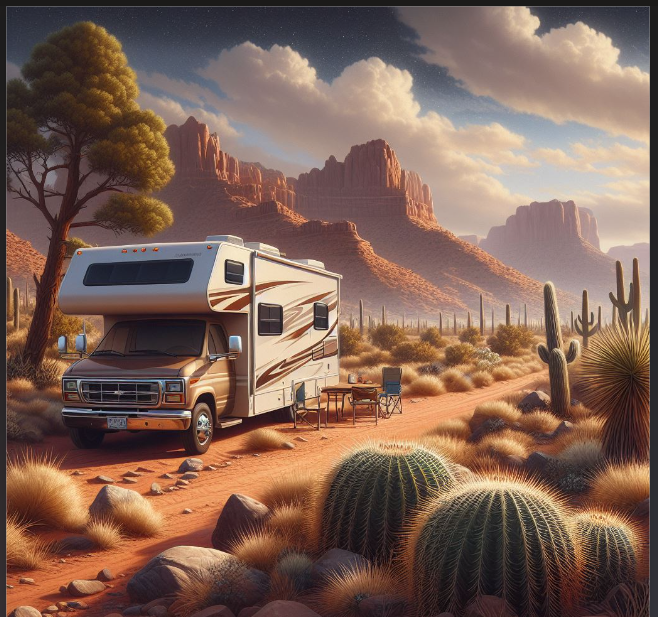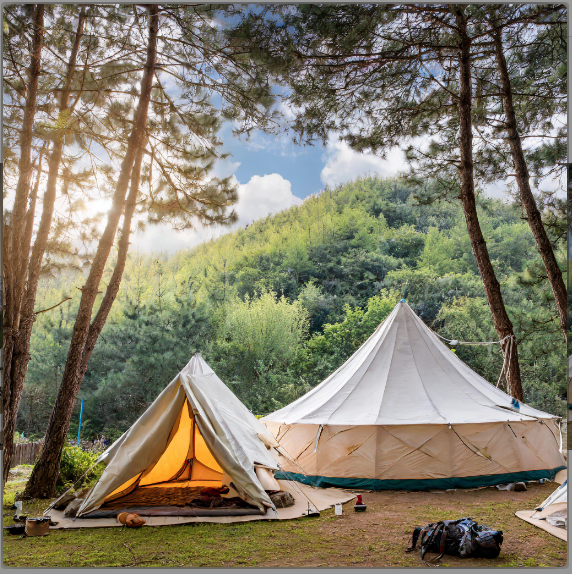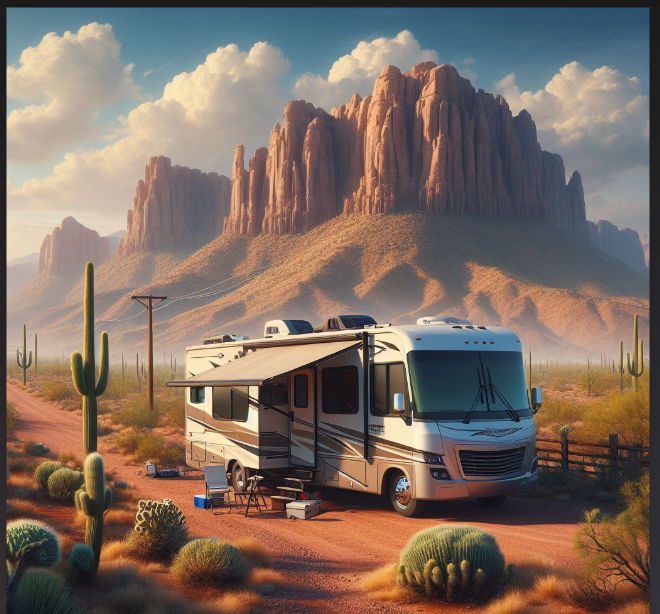
Boondocking, or primitive camping, is a thrilling way to experience the great outdoors, offering breathtaking views, freedom from the daily grind, and the added bonus of free camping. If you’re new to RV boondocking, there’s much to learn to make your experience enjoyable and comfortable. In this comprehensive guide, we’ll cover everything you need to know, from the basics of boondocking to insider tips and safety measures.
Table Of Contents
- Introduction
- Why Not Just Stay At A Campground?
- Sedona Arizona Boondocking
- What is Boondocking Camping?
- Boondocking Basics
- Definition: Camping remotely without hookups on public land.
- Pros of Boondocking: Views, savings, privacy, hiking, quiet, nature, conservation, beneficial for kids, freedom.
- Cons of Boondocking: Terrain challenges, dirtiness, distance from towns, self-sufficiency, power management, climate challenges, stay limits, size limitations.
- Campground vs. Boondocking
- Campground Pros: Hookups, proximity to town, cleanliness, amenities, sense of security, longer stays.
- Campground Cons: Noise, limited site choice, views of other RVs, rules, check-in hassle, cost, loud children, neighbors, reservation dependence.
- Where to Find RV Boondocking
- Public lands in the West (BLM boondocking).
- Apps and websites for finding boondocking spots (Campendium, The Dyrt, iOverlander, AllStays, FreeCampsites.net, Google Maps).
- Understanding Different Types of Boondocking
- Free public land camping vs. LTVA (Long-Term Visitor Area).
- Differences between Boondocking, Dispersed Camping, and Dry Camping.
- Where Exactly Can You Boondock on Public Land?
- Using apps for reference.
- Stick to existing roads.
- Understanding land rules and regulations.
- Moving Day Considerations
- Checking weather.
- Planning for essentials (tank dump, fresh water, propane).
- Route planning and considerations.
- Scouting your spot before settling.
- Insider Boondocking Rules/Etiquette
- Generator noise considerations.
- Parking and spacing etiquette.
- Noise control and respecting neighbors.
- Waste management and hygiene.
- Parking/Angling Considerations
- Choosing the right parking spot.
- Considering views, slope, solar exposure, and space.
- Two of the Best Boondocking Tips Ever
- Sharing your location for safety.
- Dropping a Google Maps pin to find your RV after dark.
- RV Power Needs (Recharging Your Batteries)
- Getting power through solar or a generator.
- Considerations for sustainable power usage.
- How Long Can I Stay?
- Checking stay limits on Campendium and other resources.
- Understanding land types and regulations.
- Finding, Conserving, and Refilling Water
- Conserving water while boondocking.
- Tips for showering and doing dishes.
- Finding and refilling water sources.
- Dumping Your Holding Tanks
- Finding dump stations.
- Proper dumping order for black and grey tanks.
- RV Boondocking Safety
- Dispelling myths about safety concerns.
- Safety measures: informing someone of your location, staying connected, and using satellite trackers.
In conclusion, RV boondocking offers a unique and rewarding camping experience. By understanding the basics, following etiquette, and embracing sustainability, you can make the most of your boondocking adventures. Happy camping!