Camping in cold weather can be a thrilling experience, but the challenge lies in staying warm inside your tent. If you know how to heat a tent without electricity, your cold weather camping trips can be much more enjoyable. In this comprehensive guide, we’ll explore various methods to keep your tent warm, ensuring a comfortable camping experience even in chilly conditions.
Safety First
Before delving into heating methods, it’s crucial to prioritize safety. Every method of heating a tent carries potential risks, including fire hazards and carbon monoxide poisoning. Disruptions in the chemical reactions that convert fuel into heat can lead to dangerous outcomes. Carbon monoxide, a silent and deadly gas, can be produced if there’s insufficient oxygen in an enclosed space like a tent. Exercise caution, follow safety precautions, conduct thorough research, and adhere to manufacturer instructions when heating your tent.
Best Tents For Cold Nights And Cold Ground
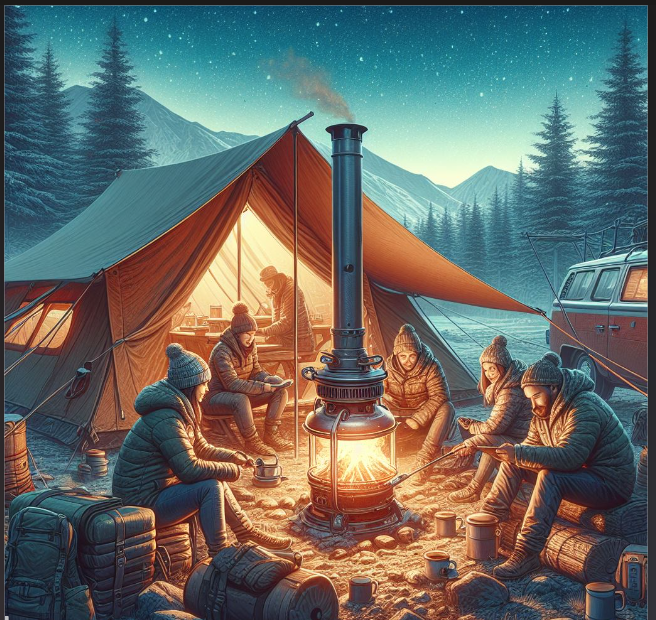
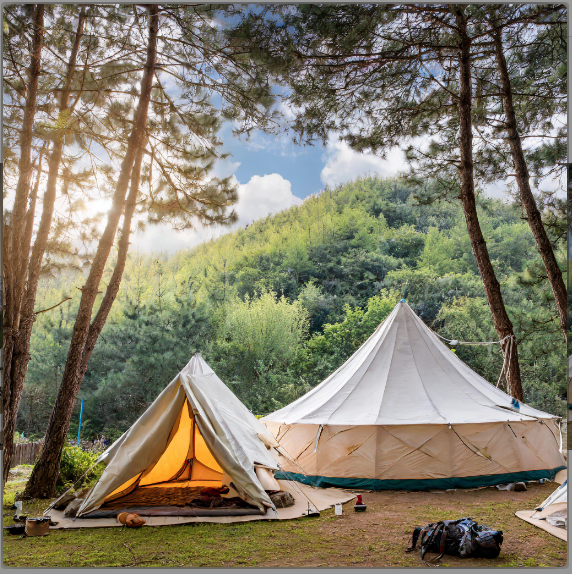
Starting with a warm tent is essential when attempting to heat it in cold air. Investing in the right tent can make a significant difference. Hot tents, designed for activities like fishing and hunting, often feature a wood stove inside, providing warmth. Additionally, four-season tents, equipped to withstand cold weather, come with features like snow skirts, double layers, and waterproof materials.
Types Of Portable Heaters Used In Tents
Understanding the types of portable heaters available is crucial for effective tent heating. Common energy sources include propane heaters, gas heaters, and electric heaters. The Mr. Heater Buddy, a propane heater, is popular for off-the-grid camping. It operates on 1-pound propane bottles and provides immediate heat. However, users need to be mindful of potential issues like condensation and the need for proper ventilation.
Camping stove/heater combinations, like the Campy Gear 2 in 1 Portable Propane Heater & Stove, offer dual functionality. While convenient, caution is advised due to potential fire and carbon monoxide dangers. Diesel air heaters with heat exchangers provide an efficient way to heat a tent, with combustion occurring outside to prevent fumes and condensation inside. Catalytic heaters, such as the Camco Wave-6, are propane-powered and popular with RV campers.
Heating A Tent Without A Heater
If you prefer alternatives to traditional heaters, several methods can keep your tent warm:
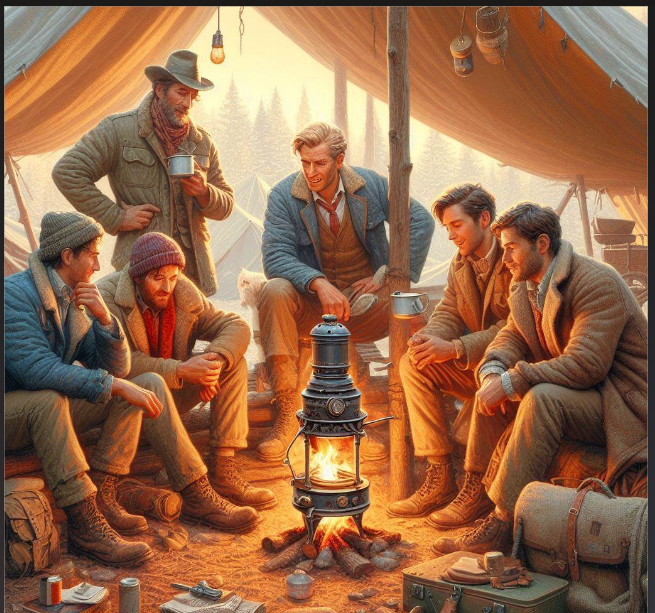
- Candle Lanterns: Designed for more than just lighting, candle lanterns can heat small amounts of water or food on a heat shield.
- Hot Rocks: Heating rocks near your campfire and placing them inside your sleeping bag releases radiant heat throughout the night.
- Hot Water Bottles: Similar to hot rocks, hot water bottles release heat over time and can be pre-heated using a camp stove or campfire.
- Clay Pots: By heating clay pots near a campfire and placing them inside the tent, you can utilize them as effective radiators.
- Electric Blankets (12-Volt): For campers willing to use 12-volt power, electric blankets offer a warm option. However, caution is needed to avoid depleting the car battery.
7 More Non-Electric Ways To Heat Your Tent
Beyond heating methods, additional tips for staying warm in a tent include:
- Choosing a Sheltered Location: Pitch your tent strategically to avoid windy open fields and mountainside locations.
- Maintaining Body Temperature: Learn how to regulate body temperature for a safe and comfortable camping experience.
- Selecting Appropriate Sleeping Bags: Invest in sleeping bags designed for cold weather to enhance warmth.
- Wearing Proper Clothing: Dressing in warm clothes is essential, considering the conditions you’ll face during winter camping.
- Using Insulated Sleeping Pads: Insulated sleeping pads provide an extra layer of protection against ice-cold conditions.
- Utilizing Face Coverings and Heat Packs: Combine face coverings with adhesive hand warmers and foot warmers for added warmth.
- Preparing Warm Food and Drinks: In addition to heating the tent, warm food and drinks contribute to overall comfort during winter camping.
By combining these heating methods and additional tips, you can create a cozy and warm environment inside your tent, making your cold weather camping trips more enjoyable and safe.