For aspiring and seasoned American mountaineers, the challenge of climbing iconic peaks is an essential part of their mountaineering journey. While many have conquered the renowned Mt. Rainier in the Pacific Northwest, the remote and formidable Mt. Bear in the St. Elias Mountains presents a unique set of challenges that extend the climbing expedition to an impressive two weeks. In this article, we delve into the reasons behind the extended duration and wild nature of a Mt. Bear climb.
Remoteness:
Mt. Bear’s isolation, located five miles from the Canadian border in the Alaskan backcountry, contributes significantly to the extended timeframe. Staging, preparation, and packing occur in McCarthy, AK, requiring an hour-long bush flight from the starting point—an 8-hour drive from Anchorage. The remoteness offers a wilderness experience, free from tourist crowds, but demands a self-sufficient approach due to limited resources.
Weather:
Alaska’s high-altitude summits create unique micro-weather systems influenced by coastal factors, nearby mountains, and extensive glaciers. Unpredictable weather, ranging from sunny days to blizzards, can impact climbing conditions, leading to delays and safety concerns. Climbers must navigate weather-dependent bush plane flights, introducing additional itinerary days for unpredictable conditions.
Elevation:
The effects of altitude are amplified in Alaska due to its high latitudes, akin to climbing at higher elevations in the Himalayas or the Andes. Altitude sickness is a concern, prompting a “climb high-sleep low approach” to acclimatize gradually and maximize the chances of a successful summit. The climb’s duration is extended to accommodate the necessary acclimatization periods.
Wilderness Navigation:
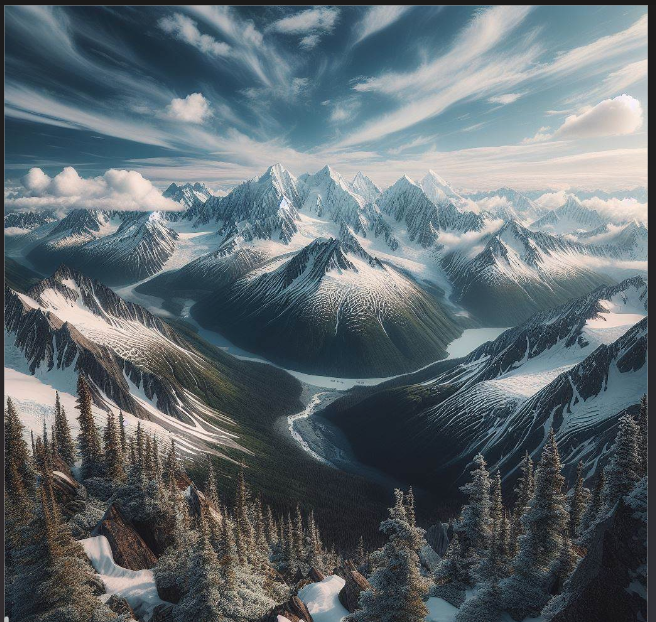
The wilderness factor of Mt. Bear presents logistical challenges but also offers a raw and undeveloped experience. Lack of established routes, fixed ropes, and skin tracks require climbers to navigate glaciated terrain with crevasses and changing landscapes. Each climb involves route finding through a dynamic mountain, adding to the adventure but also extending the journey to the summit.
Conclusion: Understanding the Alaska Factor is crucial for comprehending why climbing Mt. Bear takes two weeks. The combination of remoteness, unpredictable weather, high elevation effects, and wilderness navigation creates a challenging but rewarding experience. For those ready to take on the grizzly Alaska 14er, the Mt. Bear Expedition awaits—an opportunity to embrace the wild and conquer the untamed beauty of the St. Elias Mountains.