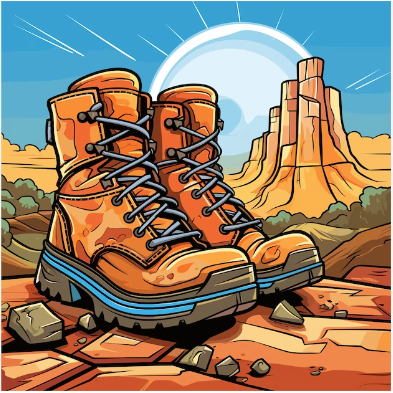
Hiking boots are an essential piece of gear for any outdoor enthusiast, serving as the foundation for a comfortable and enjoyable hiking experience. The right pair of hiking boots can mean the difference between conquering challenging trails with ease and enduring a long, arduous day on the path. In this guide, we’ll explore the key qualities that define a good pair of hiking boots and provide insights into choosing the perfect footwear for your outdoor adventures.
Hiking Boots vs Trail Runners
Before diving into the intricacies of hiking boots, it’s essential to understand the distinction between hiking boots and trail runners. Hiking boots are known for their heavier build, offering increased support, durability, and robust tread. On the other hand, trail runners are lighter shoes designed for speed and agility over longer distances.
For hikers navigating the rugged mountain trails of Southwest British Columbia, the choice often leans towards hiking boots. The enhanced support and traction provided by hiking boots are crucial for tackling the diverse and challenging terrains encountered in local trails.
The Importance of Fit
One of the most critical factors in selecting hiking boots is the fit. Ill-fitting boots can lead to discomfort, blisters, and overall dissatisfaction on the trail. Pay close attention to the fit of your boots, ensuring that your heel sits snugly without slipping, which can cause friction and blisters during extended hikes.
Ensure that your toes have enough room to move comfortably without feeling pinched or squished. Trying on several hiking boots and walking around the store in each pair is crucial to finding the boots that fit you the best. Don’t hesitate to go up half a size or even a full size larger than your regular shoe size if necessary.
The Importance of Support
Support is a fundamental characteristic of quality hiking boots, especially when facing long hikes or engaging in strenuous activities like scrambling over rocks or climbing steep hillsides. Look for boots with thick soles and deep treads to absorb shock from uneven terrains and provide traction on slippery surfaces, such as wet rocks or mud.
Several experienced hikers have shared their insights on the durability of different hiking boot brands. While mileage can vary based on the specific terrain and usage, many have found success with brands like Salomon, Asolo, and Zamberlan, emphasizing the importance of choosing boots that suit your foot shape and hiking preferences.
Low-Cut vs. High-Cut Hiking Boots
The debate between low-cut and high-cut (or mid-cut) hiking boots often revolves around factors such as ankle support, affordability, and weather resistance. High-cut boots are often considered for their ankle support and weatherproofing, but it’s crucial to understand that not all high-cut footwear provides the same level of ankle stability.
Mid-cut hiking shoes may look similar to boots but lack the same ankle support due to a looser fit. The key identifier is the number of upper eyelets, with hiking boots having at least two upper eyelets for a tighter lacing system, providing genuine ankle support.
While high-cut boots are advantageous in deep mud, water, and snow, they come with drawbacks such as increased weight and reduced breathability. It’s essential to weigh these factors based on your hiking conditions and preferences.
Conclusion
Choosing the perfect hiking boots involves considering factors like fit, support, and the specific demands of your hiking adventures. Personal experiences and brand preferences vary, so trying on multiple pairs and consulting with experienced hikers or professionals can help you make an informed decision.
Remember that durability depends on usage, and the right pair of hiking boots can significantly enhance your outdoor experience. Whether you opt for the ankle support of high-cut boots or the agility of low-cut options, finding the perfect hiking boots for you ensures a comfortable and enjoyable journey on the trails.