Introduction:
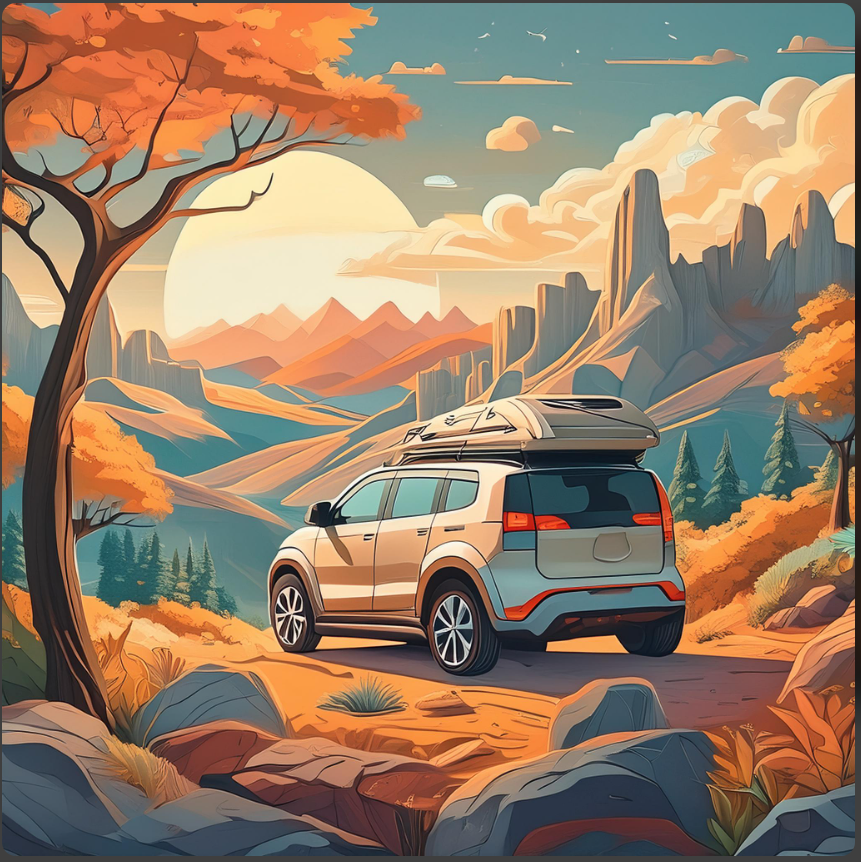
Embarking on a journey across the diverse landscapes of the United States in an RV is a dream for many adventure seekers. However, the length of your RV can significantly impact your choices when it comes to camping in national parks. In this article, we’ll explore the length limits for RVs in various national parks and discuss whether the limits are as restrictive as they seem. Additionally, we’ll address the considerations for boondocking and rural camping in different-sized RVs.
RV Length Limits in National Parks:
- Acadia National Park (35 feet):
- Acadia National Park, located in Maine, restricts RV lengths to 35 feet. This limitation may influence your decision when choosing an RV size for this picturesque park.
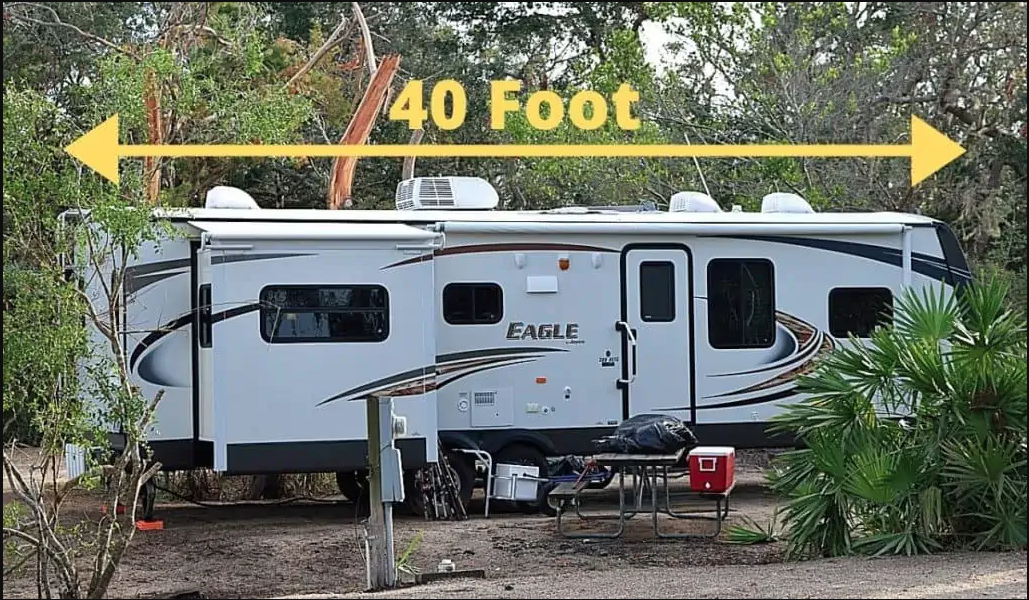
- Yellowstone National Park (Varies by campground, average is 40 feet):
- Yellowstone, the oldest national park in the U.S., offers a range of campground lengths, with an average of 40 feet. Exploring the camping options in Yellowstone is essential for planning a successful trip.
- Zion National Park (19 feet at Lava Point Campground, 40 feet in other areas):
- Zion National Park in Utah imposes a 19 feet limit at Lava Point Campground but allows larger RVs (up to 40 feet) in other areas. Understanding the specific restrictions for each campground is crucial.
Navigating RV Length Limits:
Experienced RVers often share insights into length limits, emphasizing that some restrictions may be outdated. While certain state parks may have historical limits, contacting them directly can help clarify whether they can accommodate larger RVs.
RVers’ Perspectives:
- Revamping Rules:
- Some RVers suggest that many parks are updating their rules to accommodate modern RV sizes, which often exceed the traditional limits. The industry shift towards 50-amp service is influencing this change.
- Old Rules vs. Reality:
- The enforcement of length limits may vary, with some campgrounds being flexible based on the available space. RVers share instances where they successfully stayed in parks despite the stated limits by communicating with park authorities.
- Consideration for Narrow Roads:
- While larger RVs might face challenges on narrow roads in certain parks, shorter rigs may not necessarily guarantee easy access. Factors such as trees and other obstacles play a significant role in maneuverability.
Boondocking and Rural Camping:
When it comes to boondocking on BLM land or camping in rural areas, the size of your RV can impact your options.
- 35-Foot Range for Boondocking:
- RVers express concerns about maneuvering a 35-foot RV in more remote locations. Some recommend considering smaller options, including big Class B RVs, for enhanced flexibility in rural camping scenarios.
- Versatility in Size:
- The choice between a 35-foot RV and a smaller option depends on your travel preferences. Smaller RVs may offer greater versatility in reaching remote destinations, but larger ones provide more amenities for extended stays.
Conclusion:
Understanding RV length limits is crucial for planning a successful journey through national parks. While some limits may be flexible, considering the specific requirements of each park is essential. RVers’ experiences highlight the importance of communication with park authorities and challenge the notion that longer RVs are always impractical. Whether you opt for a 35-foot RV or a more compact model, the key is to find the right balance between comfort and accessibility for your travel aspirations.