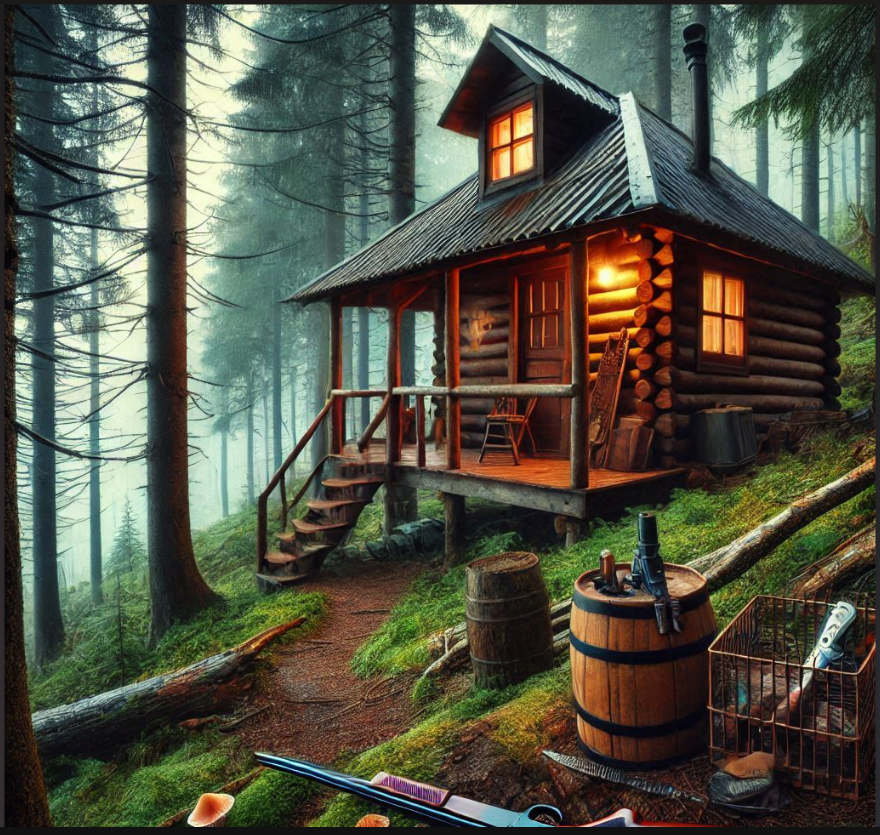
So, you’ve decided to take the plunge and buy some land. Whether you’re looking to build a home, start a farm, or just claim your spot in the wilderness (while secretly planning to become a hermit), buying land is a big deal. But don’t worry—I’m here to walk you through it, and trust me, this won’t be a boring “step-by-step guide.” We’re going to keep it light, but I’m also going to drop some knowledge that’ll keep you out of legal trouble and financial chaos. Let’s go!
1. Easements: They’re Sneakier Than You Think
Before you get too excited about putting up a “No Trespassing” sign, let’s talk easements. What are they? Easements are legal rights that someone else (like a power company or neighbor) has to use part of your land. If you’ve got a power line easement running through your property, the electric company can clear trees, put in poles, and, basically, use that area however they see fit. Yep, no building there!
- Power line easements: These give the power company rights to use your land (including clearing trees) and may prevent you from building there.
- Access easements: This lets someone else cross your land (e.g., to access their property), and guess what? These are permanent. They’re like that annoying relative who just won’t leave—only this time, it’s legal.
Bottom line: Always check for easements before signing anything. And if you don’t understand them, get a lawyer—don’t just Google it and hope for the best!
2. Utilities: Getting the Good Stuff
Next up—utilities. A pretty important thing to check, especially when you realize you won’t be able to survive without electricity or water.
- Power: Go underground for your power lines. It’s usually the same price as above-ground, and it avoids the eyesore of a power pole in your front yard. Plus, you won’t have to worry about losing power every time the wind blows.
- Internet: If you live in a rural area, don’t assume you’ll have fiber-optic internet (unless you’re super lucky). If you’re in a dead zone, you might need Starlink—that shiny satellite internet thingy that costs about $100 a month. But hey, you’ll be able to check your emails while sitting in your lawn chair, so that’s a win.
- Water: Is there a natural water supply, or will you need a well? If it’s a well, make sure it’s feasible for your water needs.
- Septic system: Make sure the soil passes a perc test (the soil’s ability to handle a septic system). A failed test = you’ll be dealing with sewage issues before you even build your dream house.
- Gas: Forget natural gas—your best bet is propane out in the country. It’ll keep you warm and cozy, but you’ll probably need to get used to filling up the tank.
- Costs of running utilities: If your dream property is far from any existing utility lines, get ready for a hefty bill to hook up to water, power, or internet. We’re talking thousands of dollars, possibly tens of thousands, depending on the distance.
3. The Neighborhood: Are You Ready for This?
Let’s talk neighbors. You’re not just buying land; you’re joining a community. So, who are your neighbors?
- Loud dogs, loose animals, hoarders, or those weird folks who live off the grid and refuse to talk to anyone: Know what you’re getting into before moving in. Rural areas come with their own unique charm and… eccentricities.
- Zoning laws: Get familiar with local zoning laws. Some areas might have restrictions that could affect what you can do with your land.
- Be prepared for noise: If you’re moving to the country, expect random farm machinery, barking dogs, or the occasional “wildlife enthusiast” (aka the crazy guy down the street who shoots fireworks every weekend). Can you handle it? If not, it might be time to rethink.
4. Property Access: Don’t Get Landlocked
Before you fall in love with that scenic plot of land, make sure you actually have access.
- Public road access: Check that there’s a real road (dirt or paved) leading to your property. If you’re relying on a two-track road that crosses someone else’s land, you might end up with a landlocked property (and that’s a real pain).
- Legal access: Be certain that you have legal access to your property. Don’t get stuck in a situation where you can’t legally get to your land.
5. Flooding & Surface Water: The Wet Stuff
In rural areas, you’re more likely to deal with flooding or surface water. Here’s what you need to know:
- Slope of the land: Is your property on a slope? If yes, keep an eye on water runoff. You don’t want a flash flood turning your backyard into a small lake.
- Drainage: Find out what water sources flow into your property. If your land’s a stormwater runoff zone, it might cost you extra to manage drainage. Pro tip: If it rains, stick around to see how the water flows. Mother Nature will tell you everything you need to know.
6. Financials: It’s Time to Talk Money
Let’s talk about paying for all this beautiful land.
- Down payment & Loans: Rural land loans usually require a 20-30% down payment, but if you’re getting recreational land, you might face a larger down payment (sometimes up to 50%). For the loan term, expect anywhere from 10 to 30 years.
- Farm or recreational land loans: These tend to be better through farm banks or local credit unions rather than traditional banks. They’ll understand the land game better.
- Mineral rights: Make sure you get the mineral rights with the land (unless you want to fight over whether you own the oil under your feet).
7. Tax Breaks: Your Land, Your Tax Breaks
Did you know you can get tax breaks just by owning certain types of land?
- Farm & forest programs: Some areas offer tax reductions for forested or farmed land—sometimes as much as 80%. If you’re planning to grow crops or just leave your land in its natural state, look into these programs. But don’t get too excited—most places won’t let you build on land in these programs without losing the tax benefits.
- Property taxes: Don’t forget to check your property tax rates. Some rural areas have low taxes, but once you start building, expect that number to climb. A cabin? A 700 sq. ft. cabin? Your tax bill just went from “eh” to “yikes!”
8. Insurance: Don’t Skip This Step!
Last but not least, you’ll need land insurance. It’s cheap, but worth every penny.
- Liability insurance: If anyone gets hurt on your property (even if they’re trespassing), you’re legally liable. So, protect yourself and the family farm by getting a policy that covers accidents.
9. Working with Realtors & Surveyors: Get the Right Help
Finding the right real estate agent is key. Look for someone who knows rural land like the back of their hand—preferably one who’s a little less “sharky” than the big city brokers. Also, always get a survey of the land before you buy. This can prevent future headaches, like someone deciding your property is actually their property.
10. Final Thoughts: Be Smart, Be Safe
If you’re not planning on living on the property right away, get to know the neighbors. If you’re a weekend warrior who shows up every now and then, you’ll want to be friendly with the folks around you. They’ll help you stay safe and give you good advice.
And most importantly—take your time. Don’t rush into anything. Whether you’re buying 5 acres or 500, this is a big decision. So make sure you’ve got all the facts, all the money, and all the right people on your side.
Happy land hunting!

Disclaimer: While this guide is fun, the process of buying land is serious business. Always consult professionals before making big decisions. And remember—this land is your land, but it’s also their land, so make sure you know your rights before you start planting trees or building fences.