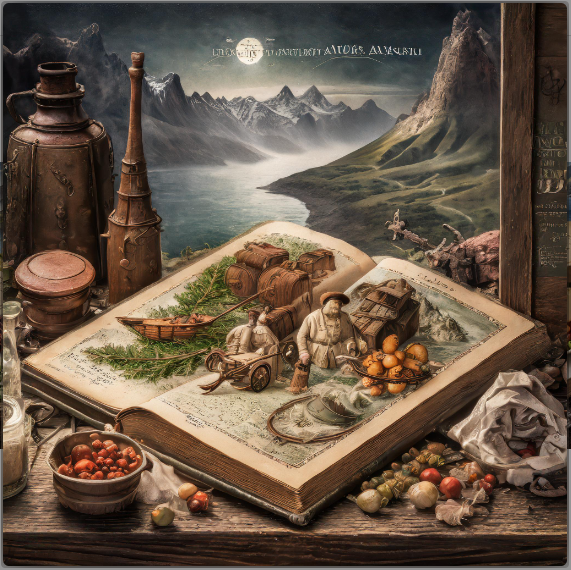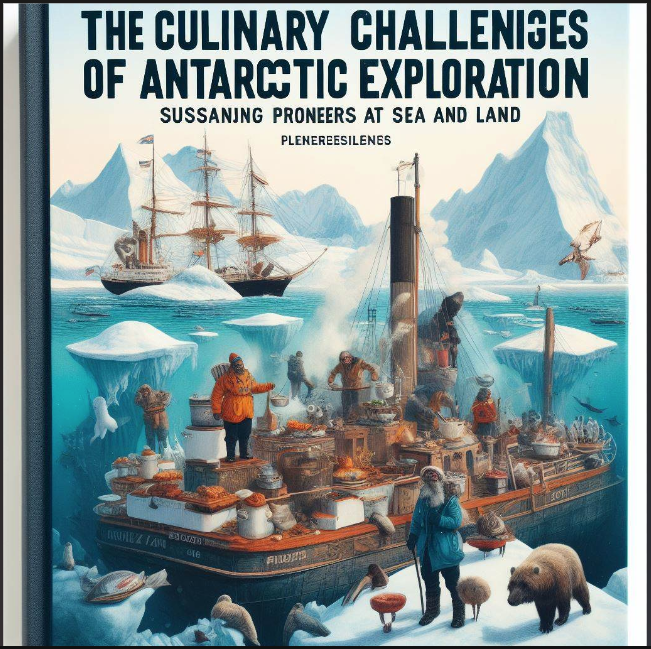
The early Antarctic explorers faced harsh conditions and extreme climates, which significantly impacted their diet. During the Heroic Age of Antarctic Exploration (late 19th to early 20th century), expeditions led by explorers like Ernest Shackleton, Robert Falcon Scott, and Roald Amundsen had to carefully plan and pack their food supplies to ensure they had enough sustenance for the challenging journey. Here’s a detailed look at the food consumed by these early Antarctic explorers:
- Biscuits:
- Biscuits were a staple in Antarctic expeditions due to their durability and resistance to spoilage. These weren’t the sweet biscuits we commonly think of; instead, they were hard, dry, and packed with calories.
- The biscuits were made from a mixture of flour, fat, and water, baked to remove as much moisture as possible. This resulted in a dense, cracker-like product that could withstand the harsh conditions.
- Meat:
- Canned meat played a crucial role in the explorers’ diet. This included tinned beef, mutton, and pork. The canning process helped preserve the meat for an extended period.
- The meat was often cooked and served in stews or other one-pot dishes to conserve fuel and simplify meal preparation.
- Pemmican:
- Pemmican, a mixture of dried and shredded meat (often beef or venison), animal fat, and sometimes dried fruit or berries, was a high-energy and lightweight food source.
- Explorers could carry pemmican easily, and it provided a concentrated source of nutrients for the demanding physical exertion required during expeditions.
- Dried Fruits:
- Dried fruits, such as raisins and apricots, were included in the explorers’ rations to add variety and essential vitamins to their diet.
- Drying fruits helped reduce weight and prevented spoilage during the long journeys.
- Chocolate:
- Chocolate was a popular treat among Antarctic explorers due to its high-calorie content and quick energy boost.
- Chocolate bars or cocoa were included in the supplies, providing both a morale boost and necessary sustenance.
- Tea and Coffee:
- Hot beverages like tea and coffee were essential for keeping explorers warm and hydrated. These drinks were also vital for maintaining morale during challenging times.
- Condensed Milk:
- Condensed milk was a concentrated and calorie-dense source of dairy. It could be used in hot drinks or added to other foods to enhance flavor and nutritional content.
- Soup:
- Dehydrated or canned soups were commonly included in the explorers’ provisions. These soups provided warmth, hydration, and a change from the monotony of other rations.
- Vitamins and Supplements:
- Some expeditions included vitamin supplements to counteract potential deficiencies caused by a lack of fresh fruits and vegetables.
Despite careful planning, many early Antarctic expeditions faced issues with food shortages, spoilage, and inadequate nutrition, contributing to the overall challenges of surviving in the harsh Antarctic environment.
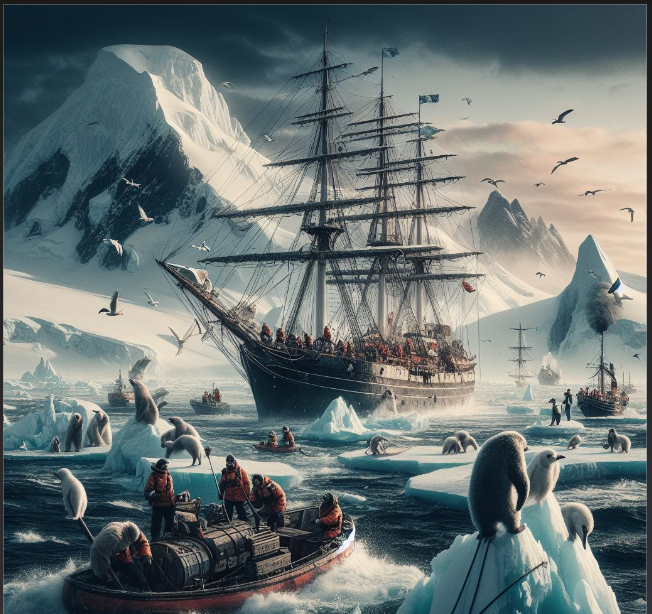
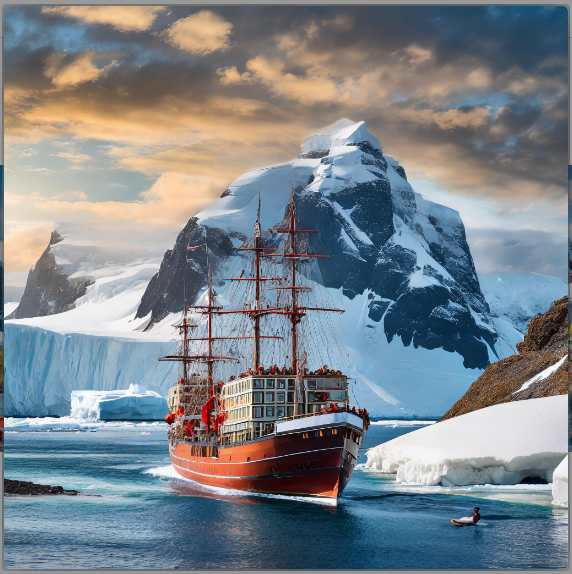
The diet of Antarctic explorers during their sea voyages to the continent was somewhat different from what they consumed on land. Ships were stocked with provisions to sustain the crew for the duration of the journey, which could take several weeks or even months, depending on the expedition and the starting point. Here’s an overview of what early Antarctic explorers typically ate on their ships:
- Hard Tack or Ship’s Biscuits:
- Similar to the biscuits carried on land, hard tack or ship’s biscuits were a staple during sea voyages. These hard and durable crackers were resistant to spoilage and provided a source of sustenance.
- Salted Meat:
- Salted and preserved meats, such as beef and pork, were common on ships. This salt-curing process helped prevent spoilage and allowed the crew to have a supply of protein during the journey.
- Canned Goods:
- Canned goods, including meats, fruits, and vegetables, were a convenient and long-lasting food option for sea voyages. Canning helped preserve the food and ensured that it remained edible throughout the journey.
- Dried Goods:
- Dried legumes, rice, and pasta were staples on ships. These dried goods were lightweight, easy to store, and could be rehydrated and cooked to provide variety in meals.
- Pickled Vegetables:
- Pickled vegetables, such as pickles and sauerkraut, were included in the provisions to provide some variety and a source of vitamins during the sea voyage.
- Flour and Grains:
- Flour and grains, such as oats, were important for making bread, porridge, and other baked goods. These staples could be used to prepare a variety of dishes and provided essential carbohydrates for energy.
- Dried Fruits:
- Dried fruits, similar to those carried on land, were part of the ship’s provisions. They offered a concentrated source of vitamins and a relatively lightweight and non-perishable option.
- Tea and Coffee:
- Hot beverages like tea and coffee were crucial for keeping the crew warm and providing a comforting routine during the often challenging and monotonous sea journeys.
- Rations of Alcohol:
- Ships often carried a ration of alcoholic beverages, such as rum or whiskey. These were not only for consumption but also for medicinal purposes and morale-boosting during difficult times.
- Preserved Dairy Products:
- Preserved dairy products, such as condensed or evaporated milk, were included to provide a source of calcium and add richness to beverages and meals.
It’s important to note that the specific provisions varied between expeditions and the resources available at the time. The goal was to ensure a balanced diet that could withstand the challenges of the sea journey while providing the necessary nutrients for the crew’s health and well-being.