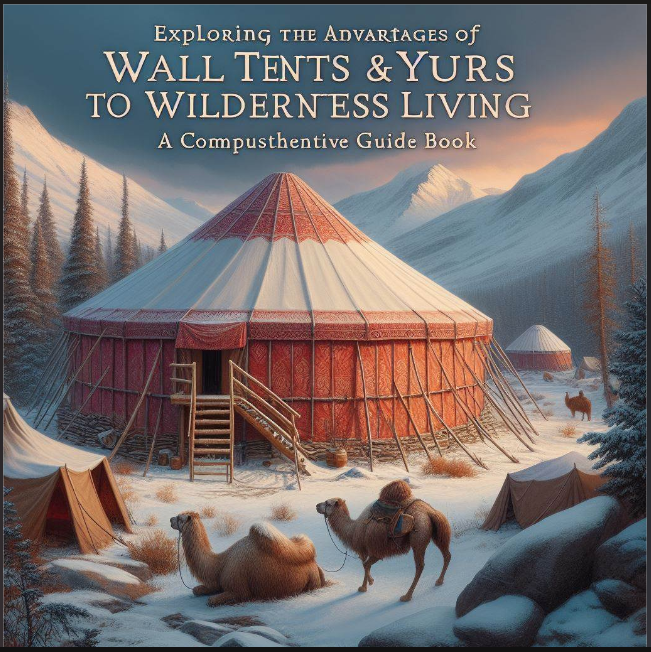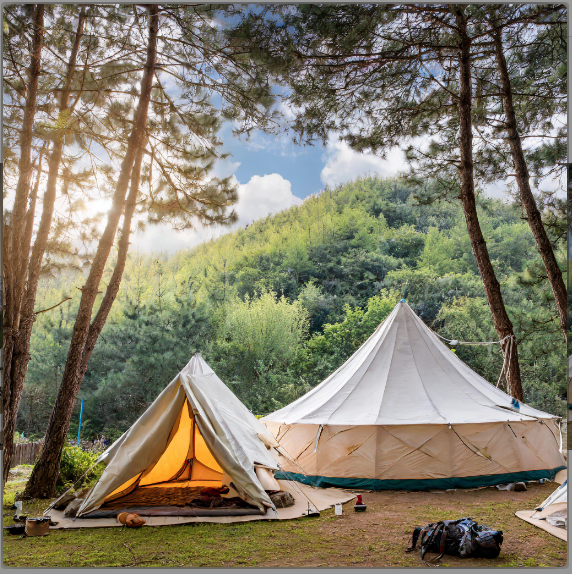
When it comes to seasonal or long-term living in the wilderness, choosing the right shelter is crucial for comfort, safety, and sustainability. While traditional recreational tents serve their purpose for short-term camping, wall tents and yurts offer distinct advantages for extended stays in the great outdoors. In this comprehensive guide, we will delve into the benefits of wall tents and yurts, potential pitfalls, cost considerations, construction advice, and key factors such as wind, rain, snow load, heating, and ventilation.
Advantages of Wall Tents and Yurts:
- Spacious Design: Wall tents and yurts provide significantly more space than traditional recreational tents. Their expansive interiors allow for comfortable living, storage, and even the possibility of separate living and sleeping areas.
- Durability: These structures are designed to withstand the rigors of extended outdoor living. Constructed with heavy-duty materials, such as canvas or weather-resistant fabrics, they offer superior durability and longevity compared to lightweight recreational tents.
- Seasonal Versatility: Wall tents and yurts are well-suited for seasonal living, offering insulation and protection from both cold and warm weather. With proper insulation, they can be comfortably used in various climates, making them adaptable to different seasons.
- Customization: Unlike conventional tents, wall tents and yurts often come with customizable options, allowing residents to add features such as stove jacks for heating, windows for natural light, and even additional sections for specific needs.
- Heating Efficiency: Both wall tents and yurts are conducive to installing wood-burning stoves, providing an efficient means of heating during colder months. This makes them suitable for winter living, a feature not commonly found in recreational tents.
- Ventilation: Adequate ventilation is crucial for any living space, and wall tents and yurts are designed with this in mind. The ability to add windows, vents, and even skylights ensures proper airflow, reducing condensation and maintaining a comfortable environment.
Pitfalls and Considerations:
- Cost: One of the primary drawbacks is the cost. Wall tents and yurts can be more expensive than traditional tents due to their larger size, durable materials, and additional features. However, considering their longevity and suitability for long-term living, the investment may be worthwhile.
- Portability: While wall tents and yurts can be moved, they are not as portable as recreational tents. Setting them up requires more effort and may not be practical for frequent changes of location.
Construction Advice:
- Site Selection: Choose a flat and well-drained area for setup. Ensure the ground is free of rocks and debris that could damage the tent floor, and avoid areas prone to flooding.
- Anchoring: Properly anchor the tent or yurt to the ground. This is especially important in windy conditions. Utilize stakes, guy lines, or other anchoring systems to secure the structure.
- Foundation: Depending on the model, consider constructing a raised platform or using a ground tarp to protect the tent floor. This helps insulate against cold surfaces and prevents moisture from seeping in.
Weather Considerations:
- Wind Load: Both wall tents and yurts can handle moderate to high winds when properly anchored. Ensure the structure is securely fastened, and consider windbreaks or natural features for additional protection.
- Rain Resistance: The durable materials used in wall tents and yurts make them highly resistant to rain. However, proper seam sealing and regular waterproofing maintenance are essential to ensure continued water repellency.
- Snow Load: Some wall tents and yurts are designed to handle significant snow loads. Check the manufacturer’s specifications, and regularly remove accumulated snow to prevent damage.
Conclusion:
Choosing between wall tents, yurts, and traditional tents for seasonal or long-term wilderness living depends on individual needs, preferences, and budget considerations. While wall tents and yurts offer significant advantages in terms of space, durability, and customization, they come with a higher initial cost and require careful consideration of factors such as site selection, construction, and weather conditions. By weighing the pros and cons, outdoor enthusiasts can make informed decisions that align with their lifestyle and goals for wilderness living.