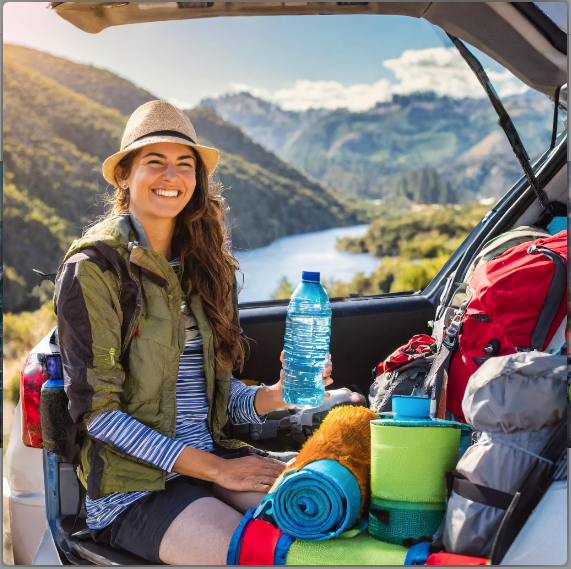
Staying properly hydrated is essential for any outdoor adventure, whether it’s a day hike, a camping trip, or an extended backpacking expedition. Choosing the right water container for your needs can make a significant difference in your overall experience. In this comprehensive guide, we’ll explore various water storage options, including water bladders for hiking, collapsible water jugs for camp chores, Nalgene bottles, smart water bottles, stainless steel tumblers, and thermoses for different purposes.
1. Water Bladders for Hiking:
Water bladders, also known as hydration reservoirs, are a popular choice for hikers. These flexible, lightweight containers are designed to fit into a backpack and have a hose that allows for easy sipping on the go. Popular brands like CamelBak and Platypus offer a range of sizes and features, including insulation for temperature control. However, they may be susceptible to leaks and can be challenging to clean thoroughly.
2. Collapsible Water Jugs for Camp Chores:
For camp chores such as washing dishes or cooking, large collapsible water jugs are invaluable. Brands like Sea to Summit and MSR offer durable and packable options. These jugs can hold a significant amount of water and are easy to store when empty. Look for models with sturdy handles and wide openings for convenient filling and pouring.
3. Nalgene Bottles:
Nalgene bottles have long been a favorite among outdoor enthusiasts for their durability and versatility. These BPA-free, wide-mouth bottles are available in various sizes and can withstand rough handling. Nalgene bottles are perfect for carrying water, and their wide opening makes them easy to clean and fill with ice.
4. Smart Water Bottles:
Smart water bottles, often used by thru-hikers and ultralight backpackers, are standard disposable water bottles with modified caps. The modified caps allow for compatibility with water filtration systems like the Sawyer Squeeze or LifeStraw. Brands like SmartWater and Dasani are popular choices, providing a cost-effective and convenient option for on-the-go filtration.
5. Stainless Steel Tumblers:
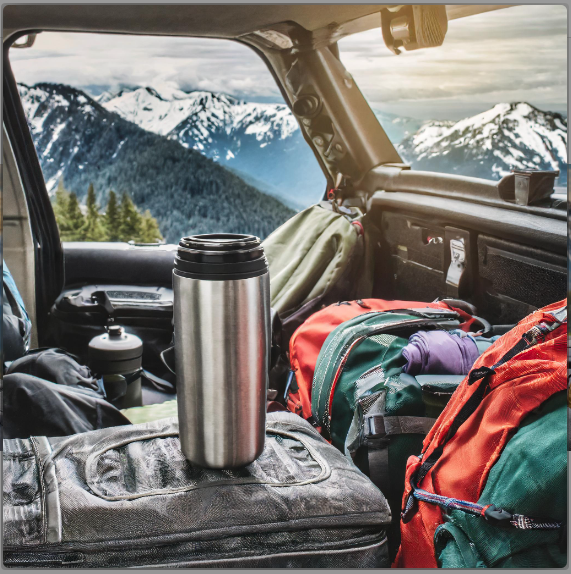
Stainless steel tumblers are a versatile option for keeping both hot and cold beverages. They are great for carrying ice-cold water on hot days or enjoying a warm cup of coffee on chilly mornings. Brands like Yeti, Stanley and Hydro Flask offer tumblers with excellent insulation properties, keeping your drinks at the desired temperature for extended periods. If your car is tight on space, pro tip, pack Yeti or Ozark Tumblers full of ice and put them in the car door cup holder. Most modern cars cup holders will fit the 32oz tumblers, four tumblers worth of ice hidden away can be a game changer. For long trips freeze the entire cup in the freezer for blocked ice that will stay for days. Used crushed ice for mixing with drinks.
6. Thermoses for Soups, Coffee, and Hot Water:
Thermoses are ideal for keeping liquids hot or cold for an extended period. They are perfect for carrying hot soup on a winter hike or enjoying a hot cup of coffee at the summit. Look for vacuum-insulated thermoses from reputable brands like Thermos or Stanley for reliable performance.
7. Disposable Jugs:
One-gallon disposable jugs are a convenient option for short trips or events where weight is not a significant concern. However, they are not environmentally friendly and may not withstand rough handling. Consider these for situations where recycling is readily available.
8. 5-Gallon Jugs:
While 5-gallon jugs are impractical for hiking due to their weight and unwieldiness, they are suitable for base camps or car camping where water sources are not easily accessible. Use a smaller container for daily excursions from the campsite.
Hydration Recommendations:
The amount of water needed per person per day can vary based on factors such as climate, activity level, and individual differences. As a general guideline, aim for at least 2 liters (approximately 64 ounces) of water per day and adjust based on specific conditions. When hiking, carry enough water to last the entire trip, plus a little extra in case of emergencies. Consider the availability of water sources along the route and plan accordingly.
In conclusion, choosing the right water container for your outdoor activities is crucial for staying hydrated and ensuring a positive experience. Evaluate your specific needs, the duration of your trip, and the type of activities you’ll be engaging in to determine the most suitable hydration solution. By being well-prepared, you can focus on enjoying the great outdoors without worrying about hydration challenges.