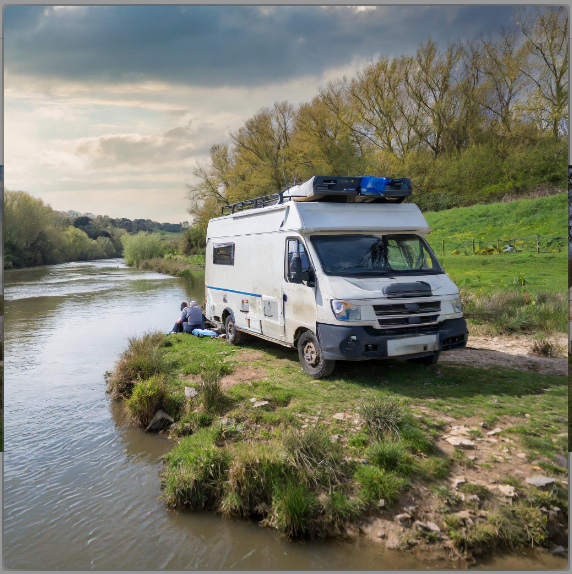
Living the van life has become a popular lifestyle choice for many individuals and couples seeking financial freedom and a break from the traditional norms of housing. The testimonies shared by van dwellers reveal a variety of motivations, experiences, and challenges associated with this alternative way of life. In this article, we’ll explore the pros, cons, and costs of van life to help you weigh the decision before embarking on this unconventional journey.
Pros of Van Life:
- Financial Freedom: Many van dwellers emphasize the significant financial savings associated with living on the road. The reduced or eliminated costs of rent, utilities, and property maintenance can lead to substantial long-term savings.
- Flexibility and Mobility: The freedom to travel and explore different destinations is a major draw for van lifers. The ability to change scenery at will and embrace a minimalist lifestyle appeals to those seeking adventure and a break from the routine.
- Sustainable Living: Some van dwellers opt for this lifestyle to reduce their environmental footprint. With a smaller living space, they consume fewer resources, and the mobility allows them to choose eco-friendly destinations.
- Community and Camaraderie: The van life community is known for its camaraderie and support. Many van dwellers find a sense of belonging among like-minded individuals who share tips, resources, and experiences.
Cons of Van Life:
- Limited Space and Comfort: Living in a confined space poses challenges, especially for couples or those accustomed to more spacious living arrangements. The lack of amenities and comforts of a traditional home can be a downside.
- Bodily and Relationship Challenges: Sharing a small space with a partner or dealing with the bodily realities of van life can strain relationships. The lack of privacy and the potential for disagreements over lifestyle choices may arise.
- Legal and Practical Challenges: Vandwelling is not always legally straightforward, with concerns about where one can park overnight. Additionally, maintaining hygiene, cooking facilities, and dealing with limited storage can pose practical challenges.
- Social Perception: While the perception of van life is changing, there are still societal stereotypes to contend with. Some individuals, especially those seeking conventional relationships, may find it challenging to navigate the dating scene from the confines of a van.
Costs of Van Life:
- Initial Investment: The cost of purchasing and converting a van into a livable space can vary significantly. DIY conversions may be more cost-effective, but professional builds or customizations can be expensive.
- Operational Costs: Fuel, maintenance, insurance, and unexpected repairs are ongoing operational costs associated with van life. These can fluctuate based on the age and condition of the vehicle.
- Campsite Fees and Amenities: While some van dwellers prefer free camping, others may choose to stay at campsites or RV parks, incurring fees for amenities such as showers and electricity.
- Social and Lifestyle Costs: The van life lifestyle may involve spending money on social activities, eating out, or staying in hotels occasionally. Balancing frugality with enjoying life on the road requires financial discipline.
In conclusion, the decision to embrace van life involves weighing the pros and cons alongside the associated costs. Financial savings, freedom, and a sense of community are appealing aspects, but challenges like limited space, relationship dynamics, and societal perceptions must also be considered. Whether van life aligns with one’s goals, values, and lifestyle preferences is a personal choice that requires careful consideration and planning.