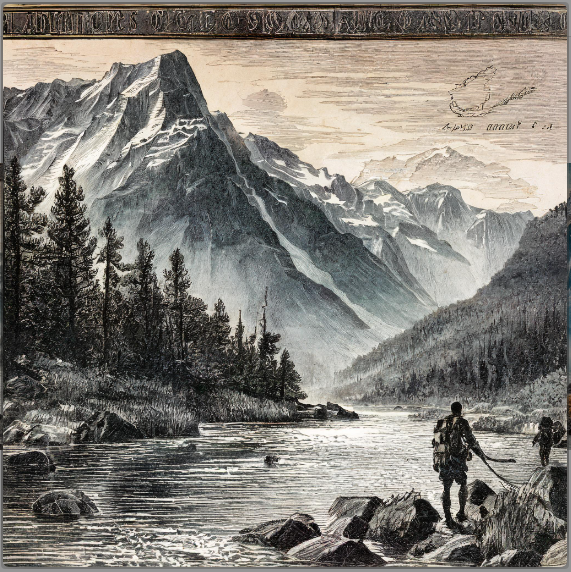
Embarking on a daring experiment, a Thru-Hiker finds himself blindfolded and dropped into the vast expanse of Idaho’s Frank Church-River of No Return Wilderness. His mission: to unravel the essence of being truly lost. Guided only by instinct and old wives’ tales, a Thru-hiker navigates the wilderness, facing challenges that test not only his survival skills but also his mental fortitude in the face of primal fear and disorientation. The goal is not just survival but a transition from lost to found without succumbing to a failed mind.
Surviving the Wilderness:
As the Thru-hiker explores the wilderness, he encounters the harsh realities of survival – frozen water, broken bones, and exhausting terrain. Despite these challenges, he achieves Day 2’s goal of finding water, showcasing the importance of resilience in the face of adversity. The narrative becomes a journey into the psychological and emotional aspects of being lost, emphasizing the impact of confusion on survival.
Psychological Insights:
Studies on human mental maps come into play, revealing the tendency to walk in circles without landmarks and the crucial role of the hippocampus in navigating unfamiliar territory. The Thru-Hikers journey involves traversing the Bitterroots Trail, facing stream crossings, dense vegetation, and fallen obstacles. Moments of exhaustion and nature-induced wedgies become the backdrop for discovering newfound resilience and acclimation to the demands of the wilderness.
The Thru-hiker remaining hopelessly lost yet alive, continuing his journey through the vast and untamed Frank Church Wilderness. The narrative captures the essence of the struggle for survival, the emotional toll of disorientation, and the resilience needed to navigate the complexities of nature.
The Harrowing Tale:
In the rugged wilderness of Frank Church River of No Return Wilderness, the Thru-Hiker finds themselves lost despite their experience. Armed with large-scale maps, they meticulously search for their location, discovering Stonebreaker Ranch in section G-4. However, determining their recent route becomes a daunting task with seven trails radiating from the ranch.
Complicating matters, the weather takes a turn for the worse, and the Thru-Hikers trek becomes more challenging. A chance discovery of a wolverine skull adds an element of superstition to their journey. Using a satellite phone, the Thru-hiker checks in with their fellow backpackers, receiving vague advice but deciding to press onward. The weather worsens, and the narrator’s resilience is tested as they navigate the treacherous terrain, hoping to reach Whimstick Creek and the abandoned Root Ranch by nightfall.
Psychological Struggle:
The narrative delves into the psychological aspects of being lost in the wilderness. Drawing a contrast with historical figures like Daniel Boone, the Thru-Hiker reflects on the gradual transition from vague unease to full-blown panic experienced by many hikers. The importance of staying put during such situations is emphasized, and the effectiveness of search and rescue operations is highlighted.
The Climax:
As the Thru-hiker journey becomes more perilous, the struggle against nature intensifies. The description of the deteriorating weather, physical discomfort, and the dwindling hope of finding the trail creates a palpable sense of desperation. The narrative reaches a climax when the Thru-Hiker, exhausted and dispirited, stumbles upon a high meadow, encountering a herd of mules and horses. The sight of a modern hunting lodge and a welcoming stranger marks the end of their harrowing ordeal in the Frank.
Reflection:
The story reflects on the value of wilderness and the profound impact of being lost in the unforgiving terrain, emphasizing the indomitable spirit required to navigate such challenges. In the end, the Thru-Hikers journey serves as a testament to human resilience and the ability to find one’s way even in the face of the unknown.
In conclusion, the daring experiment undertaken by a Thru-Hiker in Idaho’s Frank Church-River of No Return Wilderness unravels a gripping narrative that explores the essence of being truly lost. Navigating the challenges of survival in an unforgiving landscape, Thru-Hiker’s journey underscores the importance of resilience in the face of adversity. As he grapples with the psychological and emotional toll of disorientation, the narrative delves into the complexities of the human mind in unfamiliar territory. Despite moments of exhaustion and the harsh realities of nature, the Thru-Hiker discovers a newfound resilience and acclimation to the demands of the wilderness. The story, with the Thru-Hiker remaining hopelessly lost, yet alive, captures the profound struggle for survival, the emotional impact of disorientation, and the indomitable spirit needed to navigate the complexities of nature. Through the Thru-Hikers harrowing ordeal, the narrative reflects on the value of wilderness and the enduring impact of being lost in the vast and untamed Frank Church Wilderness.