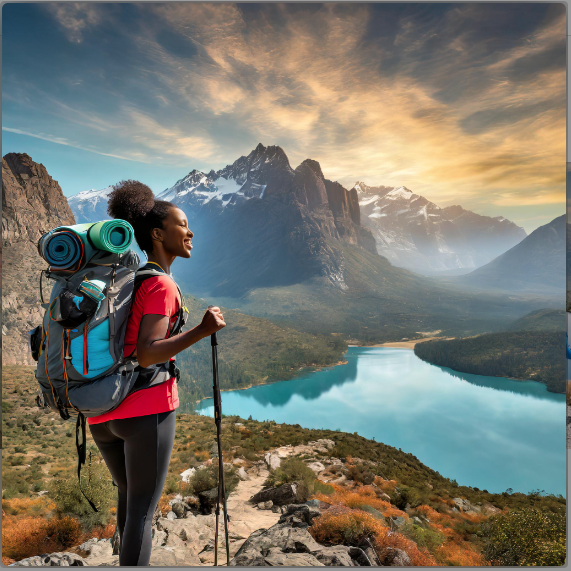
Ultra-light backpacking has seen a surge in popularity as outdoor enthusiasts increasingly prioritize minimizing the weight of their gear, enhancing the overall hiking experience by making it more enjoyable and less physically demanding. This trend originated in the late 20th century, driven by the emergence of innovative materials and a shifting mindset emphasizing the importance of lighter loads.
1. Early Years:
In the 1970s and 1980s, backpacking gear was characterized by bulkiness and heaviness, primarily crafted from canvas and aluminum. Carrying lighter loads was not a prevalent idea during this period. However, a few pioneers in the outdoor community began experimenting with alternative materials, advocating for the benefits of reduced pack weight for improved comfort and mobility.
2. Lightweight Materials Enter the Scene:
The 1990s marked a significant shift with the introduction of lighter materials like nylon and polyester, replacing traditional heavy fabrics. Aluminum frames gave way to even lighter alternatives such as carbon fiber. These advancements allowed for a considerable reduction in the overall weight of backpacks and other gear.
3. Rise of Siliconized Nylon:
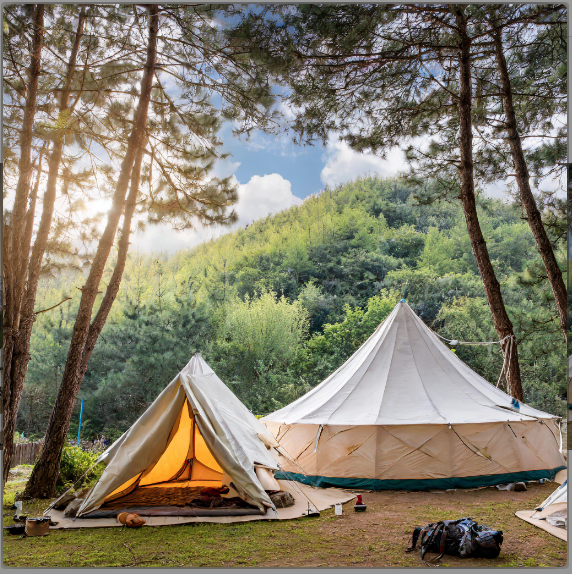
Siliconized nylon, or silnylon, emerged as a game-changer in the late 20th century. This lightweight and waterproof coated nylon became a popular choice for tents and tarps, contributing to the rise of ultra-light backpacking.
4. Cuben Fiber (Dyneema Composite Fabric):
In the early 21st century, Cuben Fiber, later rebranded as Dyneema Composite Fabric (DCF), revolutionized the industry. This exceptionally lightweight, durable, and waterproof material found applications in backpacks, tarps, and tents, further reducing the weight of gear for backpackers.
5. Evolution of Waterproof Lightweight Materials:
Responding to the growing demand for ultra-light gear, manufacturers integrated advanced waterproofing technologies like Gore-Tex and eVent into tents, tarps, and clothing. These waterproof/breathable membranes offered protection from the elements without compromising on weight.
6. Lightweight Backpacks:
Backpack designs evolved, incorporating lighter materials, streamlined features, and innovative suspension systems. Dyneema and ripstop nylon became popular choices, contributing to an overall reduction in weight.
7. Clothing Innovations:
Clothing for ultra-light backpacking underwent significant changes, optimizing fabrics like merino wool, synthetic blends, and down insulation for weight and performance. Waterproof and breathable shells became lighter and more packable, providing effective protection without sacrificing mobility.
In summary, the rise of ultra-light backpacking is a result of material innovation, changing attitudes towards pack weight, and a desire for a more enjoyable outdoor experience. The continuous evolution of lightweight, durable, and waterproof materials has allowed backpackers to push the boundaries of reducing gear weight.
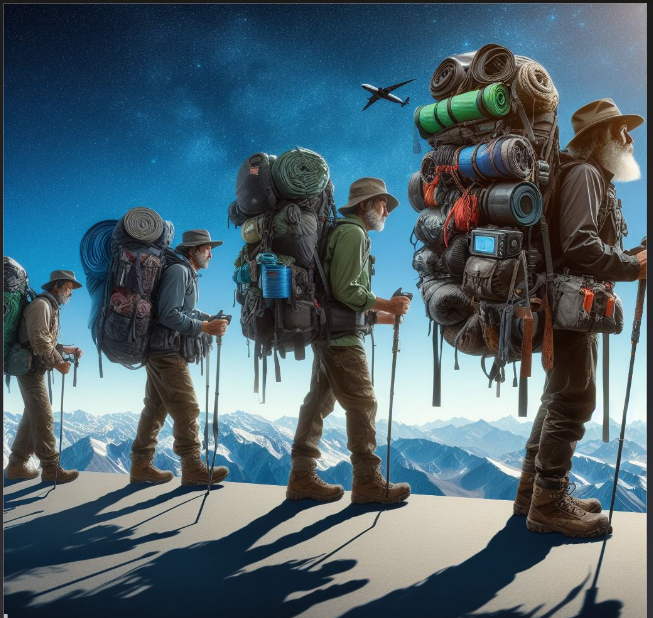
Understanding typical hiker pack weights and worn weight is crucial in discussing the rise of ultra-light backpacking. The shift towards lighter gear significantly impacted overall pack weight, both in backpacks and on hikers’ bodies.
8. Traditional Pack Weights:
In the early days, backpackers often carried much heavier loads due to bulkier materials. Packs made of canvas and aluminum frames contributed to higher base weights, reaching up to 40 pounds (18 kg) on longer trips.
9. Transition to Lightweight Packs:
With the introduction of lighter materials, base weights decreased by the late 20th century. A typical pack weight might be around 25 to 30 pounds (11 to 14 kg), including a mix of traditional and lightweight gear.
10. Ultra-Light Pack Weights:
Ultra-light backpacking gained traction, resulting in further weight reduction. By the mid-21st century, experienced ultra-light hikers carried base weights as low as 10 to 15 pounds (4.5 to 7 kg).
11. Worn Weight:
“Worn weight,” including clothing, footwear, and accessories, became crucial in the ultra-light community. Traditional heavy outdoor clothing and boots contributed significantly to overall pack weight.
12. Lightweight Clothing and Footwear:
The evolution of lightweight fabrics and the use of trail runners substantially reduced worn weight. Modern ultra-light hikers could achieve worn weights as low as 10 to 15 pounds (4.5 to 7 kg), including essential clothing layers.
13. Total Pack Weight:
Considering total pack weight (base weight + consumables), experienced ultra-light hikers aimed for a total load ranging from 15 to 25 pounds (7 to 11 kg) for multi-day trips. Some accomplished backpackers achieved even lower total pack weights, particularly in warmer conditions.
The shift towards ultra-light backpacking not only lightened the load on hikers’ backs but also emphasized efficiency, minimalism, and an enhanced outdoor experience. Ongoing technological advancements will likely lead to further refinements in gear and reductions in overall pack weights.