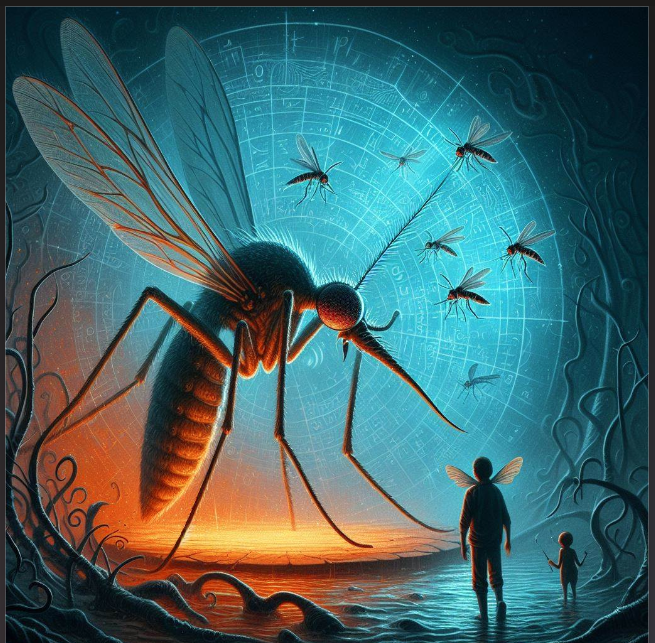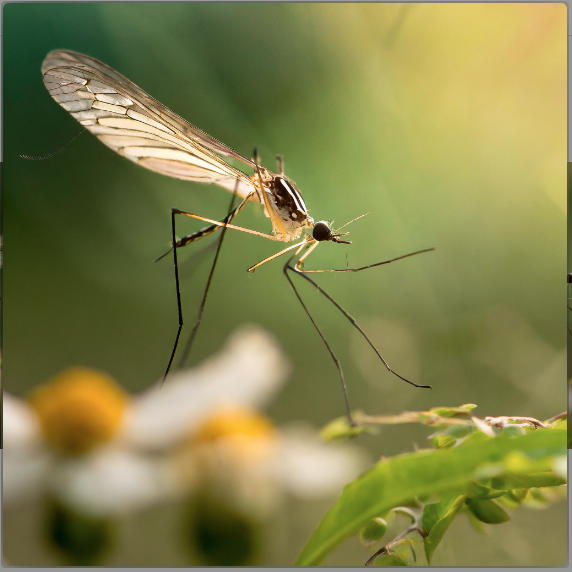
As summer approaches, the familiar hum of mosquitoes fills the air, signaling the inevitable battle against these tiny, bloodthirsty insects. Despite their minuscule size, mosquitoes hold the dubious title of the world’s most dangerous animal, responsible for the transmission of diseases that claim the lives of up to three million people annually. This article delves into the intricate world of mosquitoes, exploring their remarkable detection abilities, life cycle, and the role they play in spreading deadly infections.
Detection: The Art of Mosquito Surveillance
Evading a mosquito seems like an impossible task, considering the insect’s highly developed sensory mechanisms. Mosquitoes utilize ultra-sensitive antennae on their foreheads to track clouds of carbon dioxide released in the breath of their prey. Complementing this, their palps, similar to the human nose, detect body odor, soap, and perfumes. Equipped with uniquely shaped eyes that discern changes in contrast and motion, mosquitoes exhibit a heightened sense of awareness, particularly in low light conditions. Astonishingly, they can also sense infrared radiation, enabling them to efficiently target the tiniest sections of exposed skin. This may explain their apparent preference for dark clothing, which retains more heat.
Life Cycle: The Reproductive Triumph of the Mosquito
The mosquito’s life cycle is a fascinating journey of survival and reproduction. Only female mosquitoes bite, and their sole purpose for seeking a blood meal is to lay eggs. Over their three-week lifespan, female mosquitoes will typically engage in biting and egg-laying activities two to three times. This rapid reproductive cycle, coupled with genetic adaptability, contributes to the remarkable success of mosquitoes. The 176 different species of mosquitoes found in the United States each require periodically flooded areas for their eggs to hatch. As a result, mosquitoes are most active in spring and early summer. Climate change is believed to play a role in altering their life cycle, with increased precipitation potentially expanding their territories and altering their activity patterns.
Infection: Mosquitoes as Silent Vectors of Disease
Mosquitoes are not merely irritating pests; they are silent vectors of deadly diseases. Blood-borne human pathogens, such as malaria and West Nile Virus, have co-evolved with mosquitoes over time. Don Barnard, an entomologist in the U.S. Department of Agriculture’s Mosquito and Fly Research Unit, explains that mosquitoes locate infected host animals, extract blood containing pathogens, and serve as a breeding ground for these pathogens. They then retransmit the pathogens by feeding on other organisms, contributing to the spread of diseases without suffering any ill effects themselves. Mosquitoes act as efficient transmission corridors and storehouses for these pathogens, making them crucial players in the epidemiology of various infectious diseases.
Conclusion
The mosquito, despite its diminutive size, holds a significant place in the intricate web of life on our planet. Understanding the mosquito’s detection mechanisms, life cycle, and role in disease transmission is crucial for devising effective strategies to mitigate the impact of these tiny terrors on human health. As summer approaches, it becomes imperative to appreciate the mosquito’s complexity and develop innovative solutions to coexist with, or even control, this formidable insect.