In the vast expanse of the 48 contiguous states, an insidious trio lurks – poison ivy, poison oak, and poison sumac. Their commonality lies in the notorious urushiol, an oily resin secreted by these plants that triggers an allergic reaction in a staggering 70 percent of the population. Recognizing, avoiding, and treating encounters with these plants becomes paramount for outdoor enthusiasts. This comprehensive guide aims to equip you with the knowledge needed to navigate the perilous landscape of poison ivy, oak, and sumac.
Recognizing the Enemy:
- Poison Ivy:
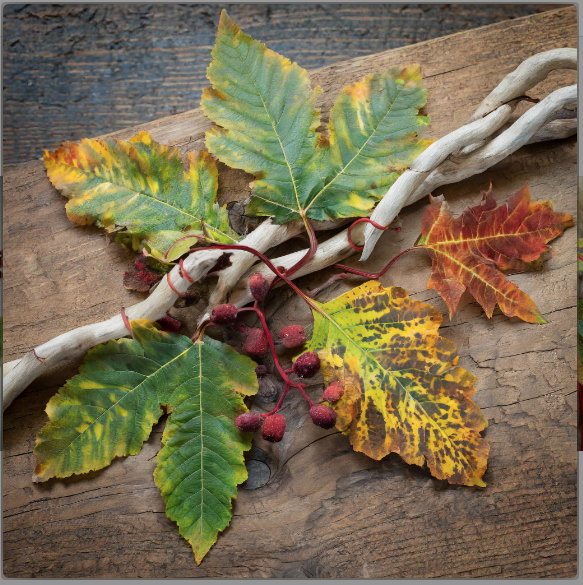
- Recognizable by its distinctive three-leaf clusters, poison ivy can be found throughout all 48 contiguous states. To identify it, look for leaves that are shiny and smooth-edged in clusters of three.
- Poison Oak:
- Residing primarily in the Western and Southern regions, poison oak shares the three-leaf pattern but is distinguishable by its lobed leaves. Recognize it by its hairy appearance and oak-like leaves.
- Poison Sumac:
- Found in wet areas, particularly in the South, poison sumac boasts pinnate leaves with rows of leaflets. Differentiating itself from the others, it tends to have seven to thirteen leaflets arranged in pairs.
Prevention Strategies:
- Clothing Choices:
- Wear long pants and high socks when navigating overgrown trails to minimize skin exposure.
- Pet Precautions:
- If your furry companion has been frolicking in potential danger zones, keep them out of your tent. The urushiol can be easily transmitted from their fur to your skin.
- Boot Maintenance:
- Regularly rinse your boots with water or use alcohol pads to eliminate any resin traces. Resin on boots can inadvertently lead to a rash on hands upon contact.
- Post-Exposure Measures:
- Launder clothing and gear suspected of contact with these plants as urushiol on unwashed items can remain potent for up to five years.
Effective Treatment Techniques:
- Swift Action:
- You have a critical 10-minute window to remove urushiol before it binds to the skin. Wash the exposed area thoroughly with slightly warm water, using soap if available. Tecnu, a specialized product, or an alcohol sanitizer can be effective in removing resin without water.
- Blisters Management:
- Blisters can develop within 2 hours to 2 days, depending on your sensitivity. Employ oral antihistamines like Benadryl and soothe the affected area with calamine or hydrocortisone lotion.
- Cool Compress Therapy:
- Apply a cool, wet compress to the inflamed area for 20 minutes. Allow the skin to air dry afterward, as the evaporation process can be soothing.
- Cautious Scratching:
- While it may be tempting to scratch, do so gently. Blisters do not contain poison ivy resin, and even if they weep fluid, they won’t spread the rash.
Conclusion:
Mastering the art of beating poison ivy, oak, and sumac involves a combination of recognition, prevention, and effective treatment. By understanding the characteristics of these plants and implementing the recommended strategies, outdoor enthusiasts can minimize the risk and alleviate the discomfort associated with encounters with these notorious toxic plants. Remember, swift action and informed choices are key to navigating the wild landscapes where these poisonous foes thrive.