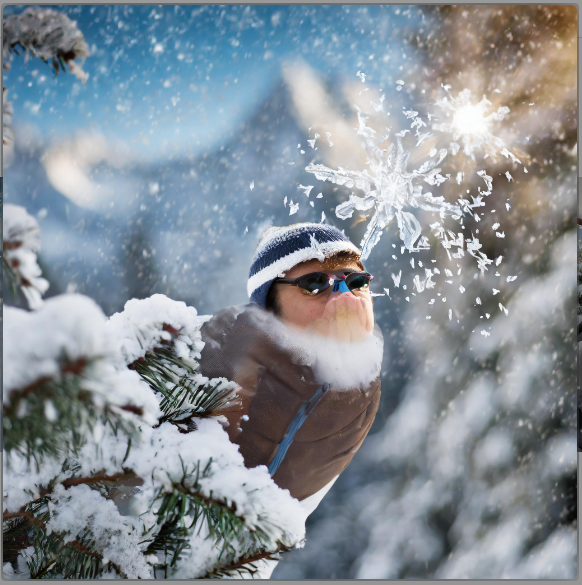
Experiencing sunburned eyes can be a debilitating setback lasting up to 48 hours, especially in the context of winter activities. Understanding the dynamics of snow blindness, or sunburn on the eye’s surface, becomes crucial for anyone venturing into high-altitude, snow-covered terrains. The peril arises when potent ultraviolet rays from the sun, coupled with reflections off the snow, conspire to induce sunburn, forming minuscule blisters on the corneas. Notably, the effects of this ocular sunburn may not manifest immediately, with symptoms such as teary and bloodshot eyes emerging hours after exposure. In severe cases, the eyes may feel gritty and swollen shut. Despite the discomfort, the corneas usually heal within 12 to 48 hours, and permanent eye damage is rare.
Preventing Snow Blindness
The key to avoiding snow blindness lies in proactive measures. Embrace the following strategies to shield your eyes from the winter threat:
- Opt for Protective Eyewear: Equip yourself with wraparound sunglasses or specialized glacier glasses featuring darker lenses, superior visible light filtration, and side covers. These accessories act as a formidable defense against both direct and reflected UV rays. Importantly, maintain consistent usage even during overcast conditions, as ultraviolet rays can penetrate thin cloud cover.
- Emergency Solutions: In case of a sudden loss of eyewear, be resourceful. Craft makeshift “goggles” by cutting two horizontal slits in a piece of duct tape folded back onto itself, securing it with additional tape. This impromptu measure can offer temporary protection until proper eyewear is available.
Treating Snow Blindness
In the unfortunate event of snow blindness, adopting prompt and effective treatment is essential. Follow these steps to alleviate discomfort and expedite the healing process:
- Remove Contact Lenses and Avoid Eye Rubbing: Safely remove any contact lenses and refrain from rubbing your eyes, as this can exacerbate the irritation.
- Cool Compresses and Pain Relief: Apply cool, wet compresses to soothe the burn. Concurrently, consider taking oral pain medication, such as ibuprofen, to manage discomfort.
- Protective Eye Covering: Shield your eyes from light by covering them with half-inch-thick pads of soft cloth or gauze bandages. This precautionary measure prevents irritation from eyelid movement and aids in the healing process.
- Regular Monitoring: Monitor the progress of the injury at half-day intervals. When you can comfortably keep your eyes open, remove the dressing. However, continue wearing sunglasses outdoors until all symptoms have completely dissipated.
In the ideal scenario, it is advisable to allow your eyes sufficient time to heal before resuming your winter activities. If circumstances necessitate an immediate return, a hiking partner should take the lead, guiding you cautiously down the trail until you fully recover. Prioritizing eye protection and understanding preventative and remedial measures are paramount in ensuring a safe and enjoyable winter experience.