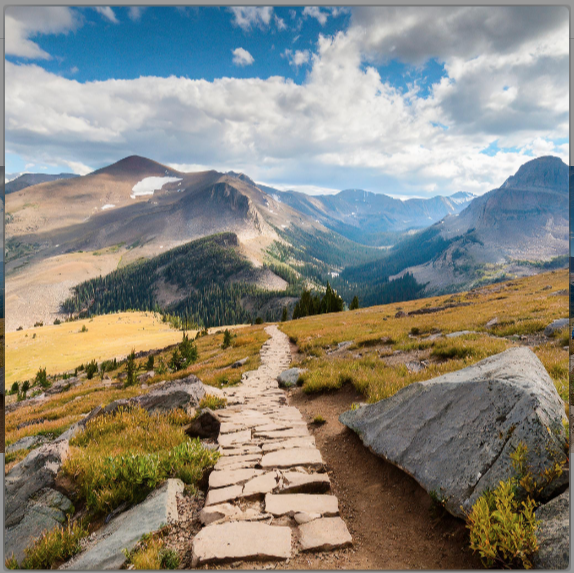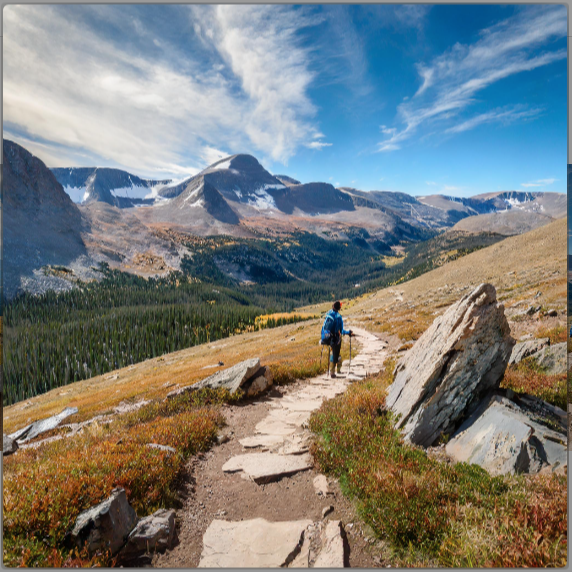
Embarking on a Continental Divide Trail (CDT) thru-hike is a daunting yet exciting endeavor that requires careful planning and preparation. Drawing insights from experienced hikers who have successfully completed the trail, this article addresses key questions and provides valuable advice for those gearing up for this epic journey.
1. Ice Axe Dilemma: To Carry or Not to Carry?
The necessity of carrying an ice axe for the entire trail sparks a common debate among CDT thru-hikers. The consensus leans towards assessing the conditions and trail direction. Starting Southbound (SoBo) means potentially encountering glaciers in Glacier National Park, warranting an ice axe. However, Northbound (NoBo) hikers might only need it in southern Colorado. Sending the axe ahead to specific locations based on your route and the season seems to be a pragmatic solution.
2. Resupply Challenges: Preparing for Longer Food Carries
Resupply on the CDT presents unique challenges compared to other long-distance trails. Expect longer food carries, sometimes up to a hundred miles. Planning the resupply strategy depends on personal preferences, with flexibility being a key aspect. Consider sending resupply boxes or relying on trailside towns depending on your route and preferences.
3. Water Worries: Balancing Treatment and Filter Usage
Unlike the Appalachian Trail, where water sources are abundant, the CDT poses some water challenges. While 20-30 mile water carries are not uncommon, the need for extra water treatment is essential. Filtering through a buff or using a combination of filter and chemical treatment, especially when drinking from cattle ponds, is recommended for a safe and enjoyable hike.
4. Gear List Scrutiny: Fine-Tuning for the CDT
Sharing gear lists among seasoned CDT hikers unveils valuable insights. A few gear adjustments are suggested based on the specific demands of the trail. Swap out heavy items, like the Jetboil, for lighter alternatives, and ensure you’re adequately prepared for colder temperatures. Wind pants instead of a rain skirt and a robust water filtration system are also advised.
5. NoBo vs. SoBo: Weather Windows and Trail Choices
Choosing between NoBo and SoBo is a crucial decision, with both directions presenting unique challenges. SoBo offers a better weather window, allowing hikers to tackle the most stunning sections at optimal times. However, it requires careful consideration of potential obstacles like the Ahern Drift. Regardless of the chosen direction, embracing the CDT’s laissez-faire spirit and exploring alternates can enhance the adventure.
6. Logistics and Information Sources
Navigating the logistics of a CDT thru-hike involves understanding resupply points, potential hurdles, and trail conditions. Online resources such as Halfway Anywhere’s surveys and the FarOut app provide valuable information about trail services, weather patterns, and user-generated tips. The official Continental Divide Trail website is also a comprehensive resource for downloadable guides and information.
7. Fitness and Experience: Prioritizing Physical Preparedness
Before diving into CDT planning, assess your backpacking experience and physical conditioning. Extended backpacking trips with challenging terrains and long mileage days, especially those exceeding 20 miles, serve as excellent preparation. Familiarize yourself with the specific demands of the CDT and ensure your fitness level aligns with the trail’s rigors.
Conclusion
Planning a CDT thru-hike involves a blend of meticulous preparation and flexibility. Drawing on the experiences and advice of those who have conquered the trail can guide aspiring thru-hikers toward making informed decisions. With careful planning, an adaptable mindset, and a deep appreciation for the unique challenges and rewards of the CDT, the journey becomes a truly unforgettable adventure.