The Strawberry Mountain Wilderness Loop is a hidden gem in the heart of Eastern Oregon, a paradise for nature enthusiasts seeking a unique and challenging adventure. For us, it became a journey that unfolded in layers of crystal-clear lakes, vibrant wildflower fields, and encounters with the diverse wildlife that calls this area home.
As avid hikers, the allure of the Strawberries was enough to lure us off the beaten path, embarking on a journey that promised high-elevation lakes teeming with fish, sweeping vistas of the majestic Blue Mountains, and the thrill of summiting the highest peak in the Malheur National Forest—Strawberry Mountain.
The loop, spanning approximately 20 miles and boasting an elevation gain of 5200 ft., offered a variety of landscapes, from well-maintained trails to challenging sections through steep and narrow scree fields. We quickly learned that this hike was not for the faint of heart, but the promise of relative solitude, abundant wildlife, and the allure of wildflowers in full bloom made every step worthwhile.
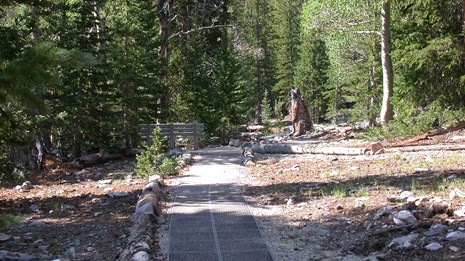
Our adventure began in late July, a strategic choice to avoid the notorious mosquitoes of spring and to witness the hillsides adorned with a riot of wildflowers. The timing proved perfect, with temperatures ideal for day hiking and cool nights providing a refreshing respite.
The journey, categorized as challenging, demanded a careful balance of experience, physical fitness, and preparation. The importance of a well-packed backpack became evident, and we adhered to the belief that a lighter load meant a more enjoyable trek.
Navigating through the rugged terrain required a Northwest Forest Pass or an America the Beautiful pass, adding a touch of responsibility to the thrill of the wilderness. The drive to the trailhead, though lengthy, was a scenic adventure in itself, taking us through the captivating John Day Fossil Beds National Monument.
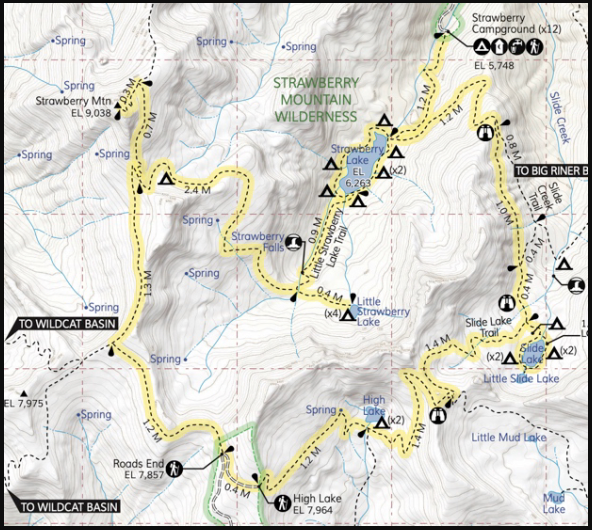
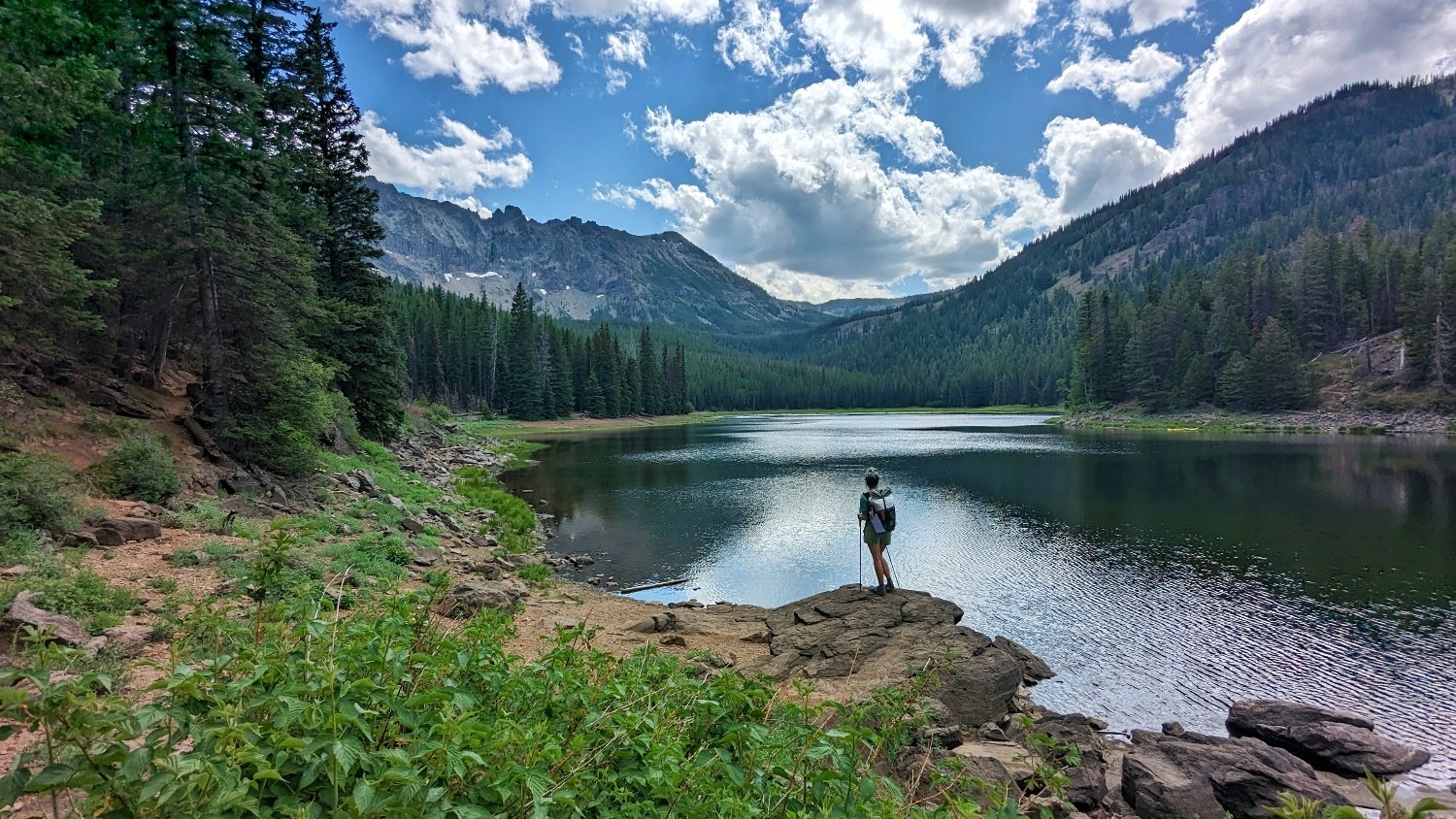
Armed with maps from Avenza and Topo Maps+, we set out to explore the loop, each turn revealing a new facet of the wilderness. The Strawberry Basin Trailhead served as our starting point, and we marveled at the well-maintained switchbacks leading us to the picturesque Strawberry Lake.
As we progressed, the landscape shifted, offering glimpses of Strawberry Falls and the breathtaking Little Strawberry Lake. The trail meandered through meadows adorned with vibrant wildflowers, a visual feast that accompanied our ascent towards the summit of Strawberry Mountain.
The climb to the peak, standing at 9,038 feet, rewarded us with panoramic views and encounters with the resident mountain goats. It was a moment of triumph, knowing we had conquered the highest point in the Malheur National Forest.
The descent from the summit led us through a diverse terrain, from whitebark pine parklands to the remnants of the 1996 Wildcat Fire. The Onion Creek Trail unfolded before us, providing a path back to the trailhead.
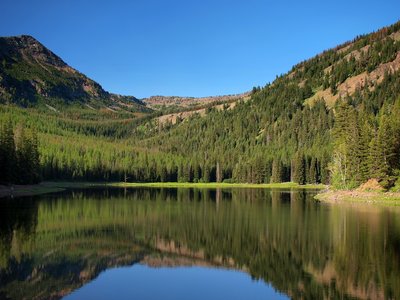
High Lake and Slide Lake punctuated the latter part of our journey, each offering its own charm and a chance to replenish our water supplies. The loop wasn’t without its challenges, especially as we navigated a steep scree field with caution, but the thrill of overcoming obstacles only added to the sense of accomplishment.
As we returned to the Strawberry Basin Trailhead, our hearts filled with memories of the Strawberries—of high-mountain lakes, alpine meadows, and the resilience of nature in the face of fire. The loop had become more than a hike; it was a testament to the untamed beauty that awaits those willing to venture off the beaten path. The Strawberry Mountain Wilderness Loop had etched its place in our hearts as one of Oregon’s finest adventures.